
Commercial roofing in Johns Creek, GA
Repairs, replacement and maintenance
Commercial Roofing in Roswell, GA
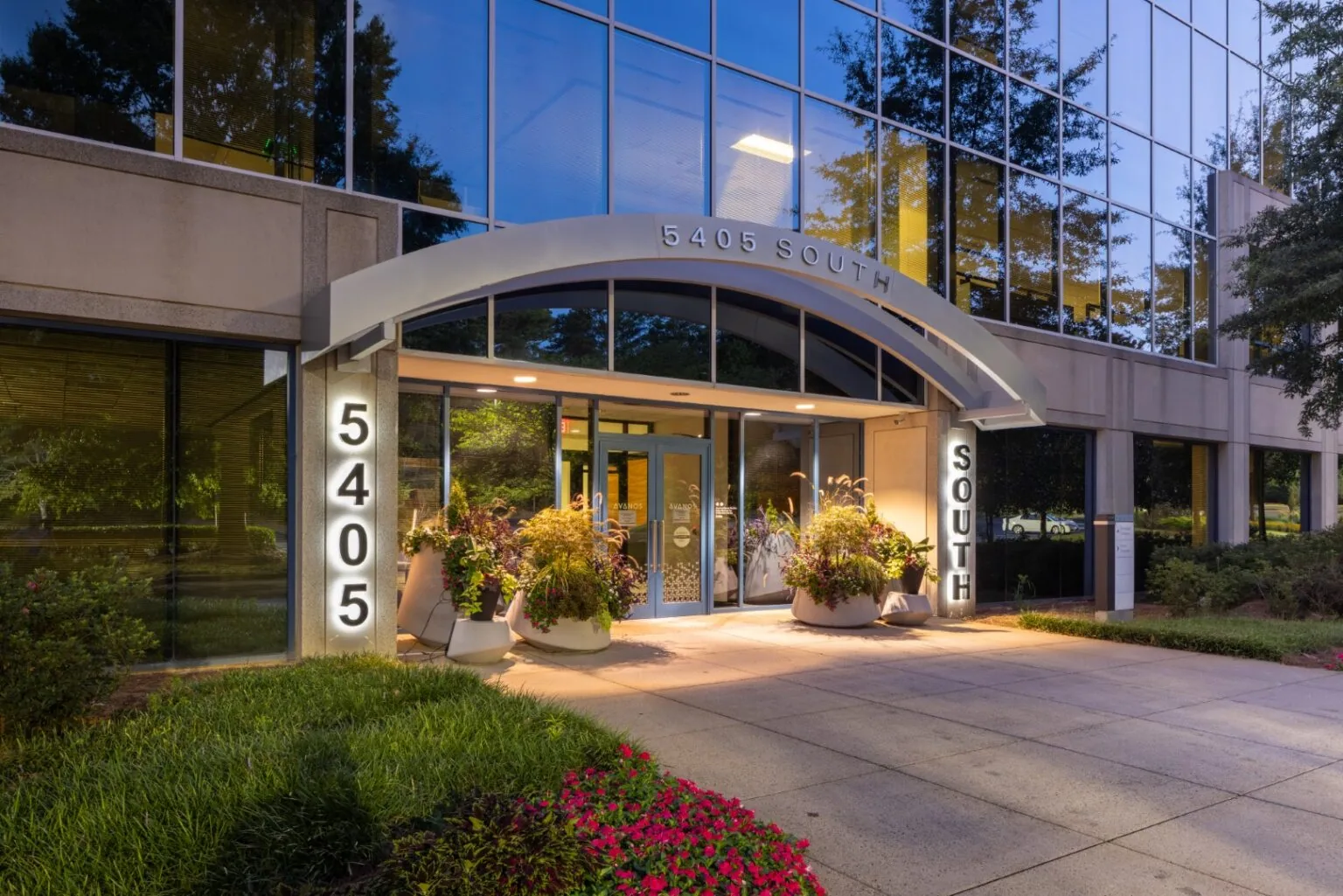
Commercial roof inspections and repairs in Roswell, GA, with local access planning and building-specific findings across its commercial areas.
Is the reported roof issue in Roswell's historic downtown, an east-west activity area, or the GA 400 corridor? The city's commercial market spans all three, with infrastructure planning and investment directed at key economic areas. That makes the property name and service entrance important when arranging a visit. We identify the affected building, inspect its roof zone, and show what evidence supports a repair or a wider evaluation.
How should a Roswell roof visit be scheduled?
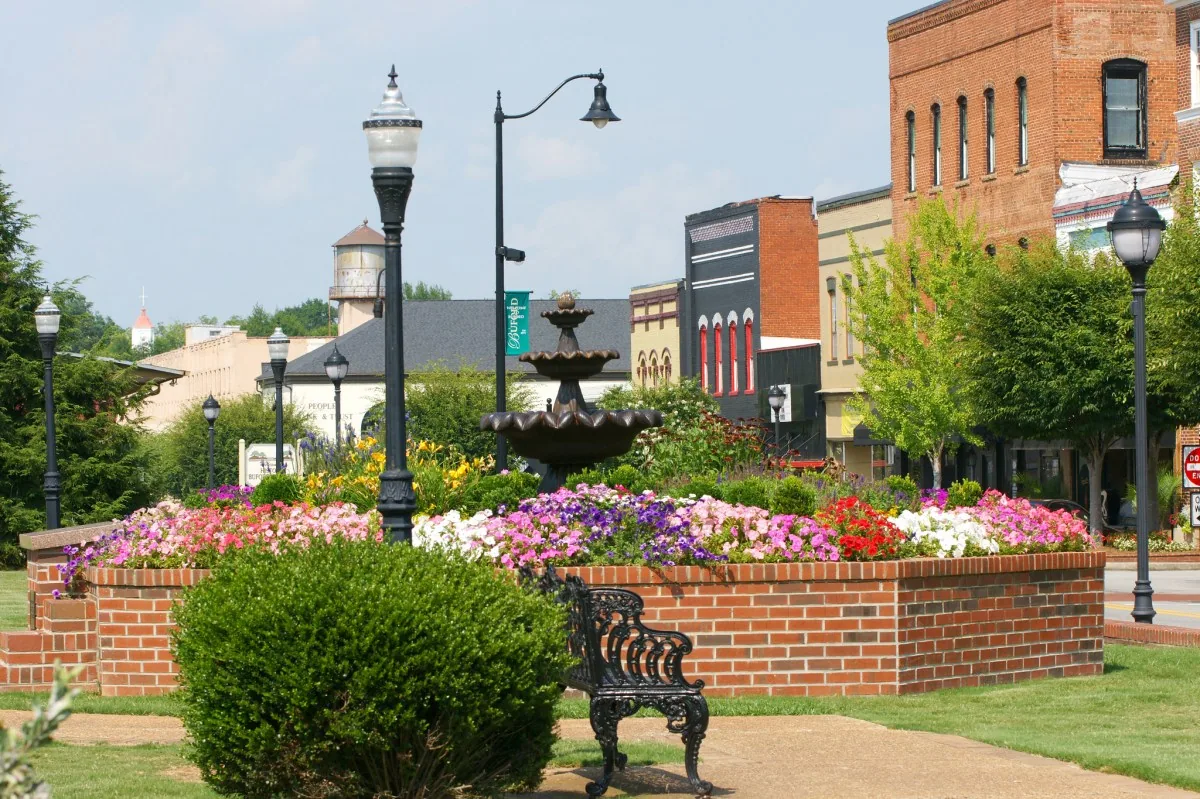
Service Areas from Commercial Roofers Johns Creek.
Provide the property identifier, building plan, affected room or work area, date the issue began, and access contact. Holcomb Bridge Road is Roswell's only connection to GA 400 and carries substantial traffic at the interchange. That may affect travel or staging near the corridor, but the property representative must confirm the approved route, delivery time, and parking restrictions for the particular site.
Before walking the roof, check the reported interior condition against the plan and recent repairs. Inspect seams, walls, drains, penetrations, curbs, metal edges, skylights, and equipment supports near the likely path. A stain may not sit directly below the entry. Photograph each suspected defect with enough roof context to locate it later. A commercial roof inspection can document those findings and identify areas where access or testing is still needed.
Historic downtown and a highway commercial property can have different building access and occupant needs. Ask about public routes, tenant hours, delivery areas, lift location, and any nearby construction. Do not assume a route based on the community name. If a work window is limited by congestion, event activity, or loading access, record it in the scope and confirm who can approve a schedule change.
For property groups with sites in more than one Roswell commercial area, use distinct building records. The citywide plan's economic focus does not establish that neighboring properties share roof systems or maintenance history. Keep the service address, photographs, repair tickets, and roof plan attached to the individual structure.
What conditions should the inspection separate?
Record the visible defect and the surrounding roof condition. Check membrane seams, metal panel joints, parapets, flashing corners, drain bowls, scuppers, and prior patches. Note whether the material is split, open, loose, punctured, obstructed, or uncertain. Distinguish a confirmed entry point from a possible path that needs testing before a permanent scope is set.
Identify the roof system and layers from documents or field evidence. TPO, PVC, EPDM, modified bitumen, built-up, and metal assemblies call for different repair details. If the product is not known, mark that gap and test compatibility at a representative area before choosing a patch. An infrared moisture survey may help focus confirmation if wet insulation is suspected, but the report should state its limits and any test opening still required.
Atlanta climate normals show precipitation through the year and many hot summer days. These are Atlanta station records, not a measurement on a Roswell building. Check the actual roof surface and substrate before using adhesive, coating, or hot-air equipment. Inspect drainage at the outlet and the path around it; standing water alone does not establish whether slope, blockage, or a membrane detail is responsible.
North and central Georgia weather includes severe thunderstorm wind, hail, and tornado hazards. Following a report, inspect roof edges, corners, penetrations, equipment transitions, and any new water intrusion. Regional weather does not prove damage at the property. Keep the reported event date, field observations, and pre-existing conditions separate in the assessment.
Which findings support repair or replacement?
A local repair is a practical option when the source is confirmed, the surrounding roof remains sound, and a compatible tie-in can be made. The estimate should show the roof section, preparation, materials, seam or flashing detail, test method, access needs, and closeout record. If removal could expose wet insulation or a damaged deck, define a stop point and approval process before opening farther.
Multiple leaks, recurring seam failure, widespread deterioration, or moisture beneath several roof zones can justify a broader review. A commercial repair estimate can price confirmed defects. A replacement assessment should consider the deck, layers, insulation, drainage, edges, equipment, disposal, access, and dry-in. Compare each option using the same roof areas and exclusions.
Recover work depends on existing layer count, moisture, attachment, edge height, and whether drains or curbs remain functional with additional thickness. Coating also requires a compatible, prepared substrate. If those conditions are uncertain, price a test opening or adhesion check before estimating full restoration. Keep the recommendation tied to the building inspected rather than applying it across the city.
Occupied property work needs an access route, lift plan, tenant notice, noisy periods, and daily closeout. A phased work schedule can identify which roof area is open and when it is returned to service. For a mechanical unit or sign that another trade must move, state who restores the flashing and verifies the completed interface.
How can traffic and weather affect the work window?
City transportation data puts traffic on Holcomb Bridge Road above 70,000 vehicles a day at the GA 400 interchange. That figure is not a traffic count at every Roswell property. Near the corridor, confirm the allowed material route, lift location, and delivery window with the property manager; do not plan a staging area from the roadway reference alone.
Atlanta station normals record rain in every month, so the roof should have a defined weather-tight stopping point. Inspect actual temperature and moisture before applying new material. If the shift stops early, note which section is closed, what protection remains, and who checks it before the next crew returns. A forecast cannot verify a wet substrate or a finished repair.
The Holcomb Bridge Road and GA 400 area and East Roswell have distinct planning context. If the work is in historic downtown, the property may have a different public route or tenant schedule. Use the actual site contact and approved access details for each building.
Roswell's comprehensive plan supports investment and infrastructure planning for economic areas. For a roof project, coordinate with the property owner if nearby improvements affect access or staging. A planning document does not mean construction is underway at an individual parcel. Confirm dates and restrictions before scheduling lifts or material deliveries.
What should stay in the Roswell roof file?
Keep the roof plan, system documents, inspection photos, test points, approved scope, repair materials, and completion notes. Label the building and roof zone. Record inaccessible areas, temporary protection, and follow-up items. If a warranty applies, retain the issued document and identify any review or notification requirements.
A roof condition report can preserve the findings and inspection limits. A roof asset record can help track future inspections across several properties while each roof retains its own maintenance history. Nearby building records do not establish the assembly at this property.
Send the site identifier, roof plan, leak location, access rules, recent work, and decision timeline to schedule an inspection. We can document the observed condition and state whether testing, a local repair, or a broader evaluation is the next supported step.
Commercial Roofing Questions
What should I include in a Roswell roof request?
Provide the building name, roof plan, reported leak or damage, recent repair history, access contact, and target timing. Include any delivery, lift, or tenant restrictions that could affect the visit.
Does Holcomb Bridge traffic determine when roof work can happen?
No. The corridor count describes the interchange, not each property's schedule. Confirm delivery, loading, lift, and tenant rules with the site representative before choosing a work window.
How can we tell whether the stain is from the roof?
Match the report to the building plan and inspect likely openings, drains, walls, and nearby transitions. Record the evidence for a water path and identify any test needed before fixing the repair boundary.
When should a repair become a replacement review?
Consider a broader review when leaks recur across zones, moisture extends under the roof, or the deck and seams cannot support a reliable patch. Confirm layers, drainage, and access before comparing options.
Back to Service Areas, or request a roof assessment and call 555-555-5555.