Commercial roofing in Johns Creek, GA
Repairs, replacement and maintenance
Commercial Roofing in East Roswell, Roswell, GA
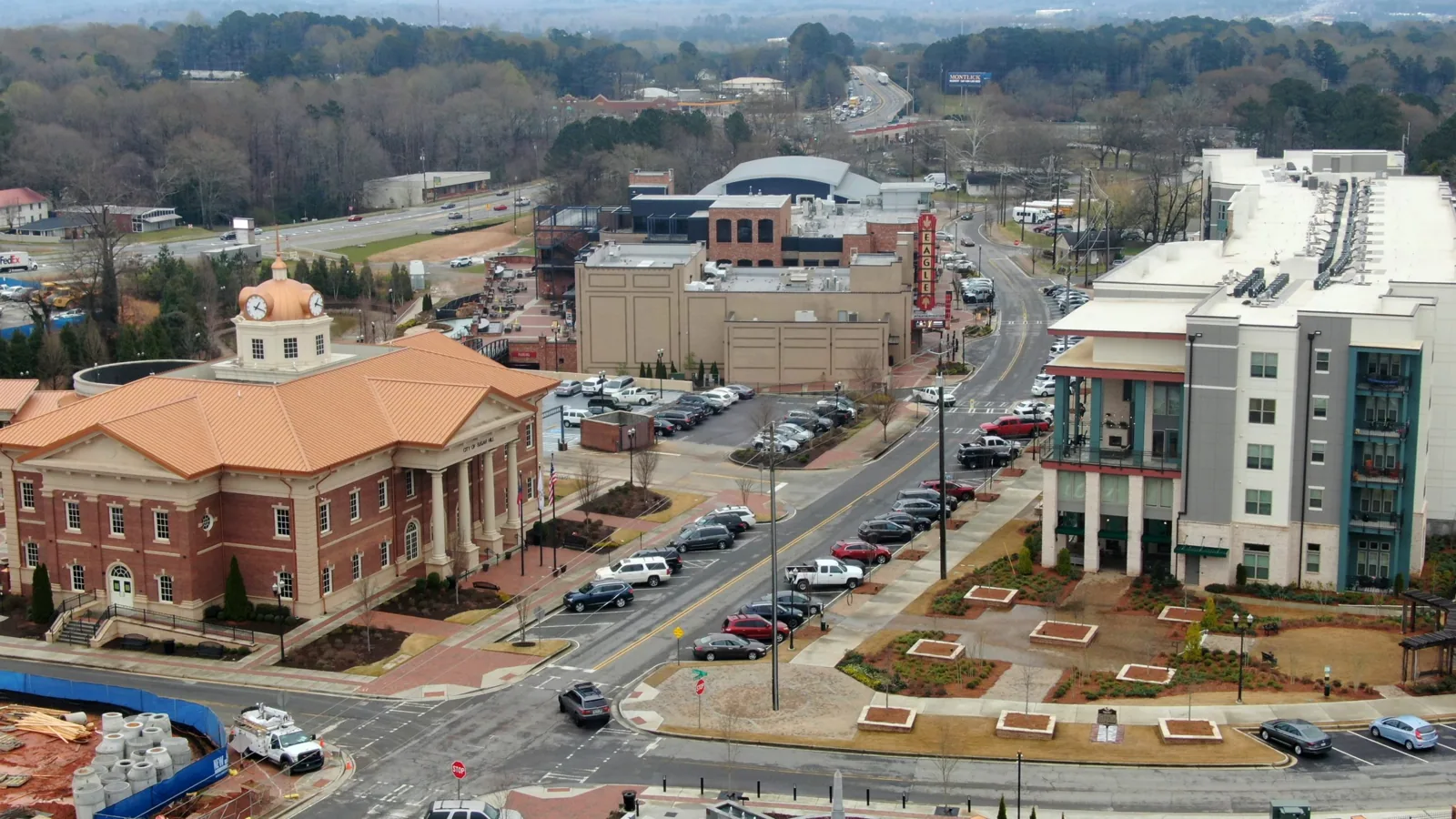
Commercial roof inspections and repairs in East Roswell, with site-specific findings, access coordination, and clear maintenance recommendations.
Which East Roswell property is reporting the roof issue, and what can the inspection establish about that building? East Roswell is one of Roswell's areas for economic investment and infrastructure planning. Its transportation plans include connections around Holcomb Bridge Road and Big Creek Parkway, while Old Alabama Road and GA 400 also appear in the area's mobility framework. These routes help locate a service request; the roof plan and site contact define the work.
How should an East Roswell roof visit begin?

Service Areas from Commercial Roofers Johns Creek.
Provide the property identifier, entrance, roof plan, leak location, repair history, and person authorized to arrange access. Confirm loading and lift rules before setting a work date, especially if infrastructure or road projects could change the normal route. The planning references do not say which driveway serves an individual building or whether construction is active. The owner or manager should verify current access conditions.
Map the reported interior symptom to likely roof details. Inspect seams, curbs, roof-to-wall transitions, drains, scuppers, parapets, equipment supports, and prior patches around the zone. A stain may sit far from the source if water travels through insulation or along a wall. Photograph the detail and wider area, then state how the evidence supports a possible entry path. A commercial roof inspection can capture the finding and any area the crew could not reach.
Roswell plans connect east and west areas with work near Holcomb Bridge Road and Big Creek Parkway. If a property is near either corridor, confirm whether site entrances, lift placement, pedestrian routes, or deliveries are affected by current work. Do not schedule from a map alone. The property contact should approve a route and identify an alternate if a road or loading area changes.
East Roswell shares commercial geography with the GA 400 corridor and Old Alabama Road. Separate each property file, even if one owner manages several nearby buildings. Their roof systems, tenant restrictions, service history, and drainage conditions can differ. The plan may describe the area; only the inspection can support a statement about a specific roof.
What conditions should be checked before pricing?
Inspect the field material, seams, edge metal, penetrations, wall transitions, drains, and mechanical curbs. Note whether a defect is open, loose, split, punctured, corroded, or simply obscured. Identify which roof section the report refers to and mark test locations. Avoid assigning a broad repair quantity until the affected area and tie-in points are measured.
Confirm the roof material through records or field evidence. TPO or PVC welds, EPDM seams, modified-bitumen laps, and metal-panel details use different repair methods. If the system is unknown, record that limitation and test a representative area before choosing materials. Where moisture beneath the surface could change removal quantities, an infrared moisture survey may help direct confirmation. State its limits and whether a test opening is needed.
Atlanta climate normals show year-round precipitation and frequent hot summer days. Atlanta's normals come from station data; conditions at an East Roswell address require an on-site check. Check actual substrate moisture and temperature before using adhesive, coating, or welding equipment. Drainage and flashing need review through the year; separate an obstructed outlet from a failed membrane seam because each may require a different repair.
After a storm report, inspect the East Roswell roof's perimeter, corners, curb flashings, and affected interiors. Record observed movement or impact by building and keep pre-existing maintenance items outside the event scope.
When does the scope need to cover more than one detail?
A small repair may suit a confirmed puncture, seam opening, or flashing failure when the nearby material remains stable. Name the roof zone, preparation, product, tie-in, test, access requirements, and final check. If the repair exposes wet insulation or deteriorated deck, pause at the defined opening and obtain written approval before expanding. That keeps the price tied to an accepted work boundary.
Recurring leaks, separated failures, or moisture across different roof zones may justify a broader assessment. For confirmed defects, a commercial repair estimate should trace each item to its roof zone and show measured quantities. Consider a replacement review when recurring failures extend beyond those repair boundaries. Use consistent roof areas and exclusions in competing scopes.
Before adding a coating or overlay, verify the existing layer count, adhesion, moisture, attachment, slope, curb height, and drain conditions. A change in roof elevation at an addition can create a distinct transition that needs its own detail. If drawings do not show the existing assembly, price a test opening or adhesion check before committing to a system-wide recommendation.
For occupied properties, set a roof-zone sequence and identify tenant access, noise periods, lift routes, interior protection, and daily dry-in. A phased reroof plan can show the section under work and the handback point. If access depends on another vendor moving rooftop equipment, record the handoff and the person who verifies its flashing afterward.
How should the schedule reflect area improvements?
Roswell's infrastructure planning includes east-west connections around Holcomb Bridge Road and Big Creek Parkway. For an inspection or repair near those routes, confirm current site access with the property manager and account for any active improvement project. A planned connection or mobility framework does not establish a closure or a particular construction date at the building.
The Holcomb Bridge Road and GA 400 area and broader Roswell market cover properties with separate entrances and maintenance records. Use each work order's address, roof map, and access approval. If the owner coordinates several buildings, track inspection dates centrally while keeping photos and system details with the correct property.
Rain or unsafe surface conditions can interrupt installation. Before opening the roof, document the daily limit, dry-in materials, assigned cover check, and return-access arrangement. If weather changes the shift, note what was protected and whether a test or weld check remains. The property manager should know which roof zone is closed and which can be used by another trade.
If a road improvement or access change delays a material delivery, protect the roof boundary already opened and notify the site contact. The crew should not leave a temporary cover without a documented check. When access resumes, inspect the protected area before continuing so a delay has not changed the surface or repair conditions.
What information should be retained?
File the roof plan with system identification, test points, approved quantities, material records, change approvals, and final photographs. List inaccessible roof areas separately, then assign an owner and date to each unresolved item. File any issued warranty terms with the closeout and record the review steps for later modifications.
A roof condition report can show findings, test methods, and limitations. A roof asset record can track work across a portfolio without replacing property-specific files. Keep road and staging notes when they affected the repair window or delivery route.
Send the property name, roof plan, reported condition, maintenance history, access limits, and timing to arrange a review. We can document what is confirmed, identify outstanding tests, and outline an appropriate repair or replacement evaluation.
Commercial Roofing Questions
Which address should be used when requesting East Roswell service?
Use the property entrance and building identifier, not only the district name or nearby road. Include the roof plan, leak location, access contact, and any current roadwork or delivery restriction.
Does the city's infrastructure plan tell us whether the roof is damaged?
No. It describes mobility and investment planning. A field inspection establishes roof conditions, while the property manager confirms access and current construction restrictions.
What should be tested before a recover is priced?
Verify layer count, moisture, attachment, deck, drainage, edge height, and compatibility. If a concealed condition could change the plan, use a test opening or adhesion check before pricing the full area.
How can roadwork affect a roof repair schedule?
It may change the delivery or lift route if the site entrance is affected. Confirm active restrictions, protect any opened roof area, and update the property contact before a shift or material arrival changes.
Back to Service Areas, or request a roof assessment and call 555-555-5555.