Commercial roofing in Johns Creek, GA
Repairs, replacement and maintenance
Commercial Roofing in Holcomb Bridge Road and GA 400, Roswell, GA
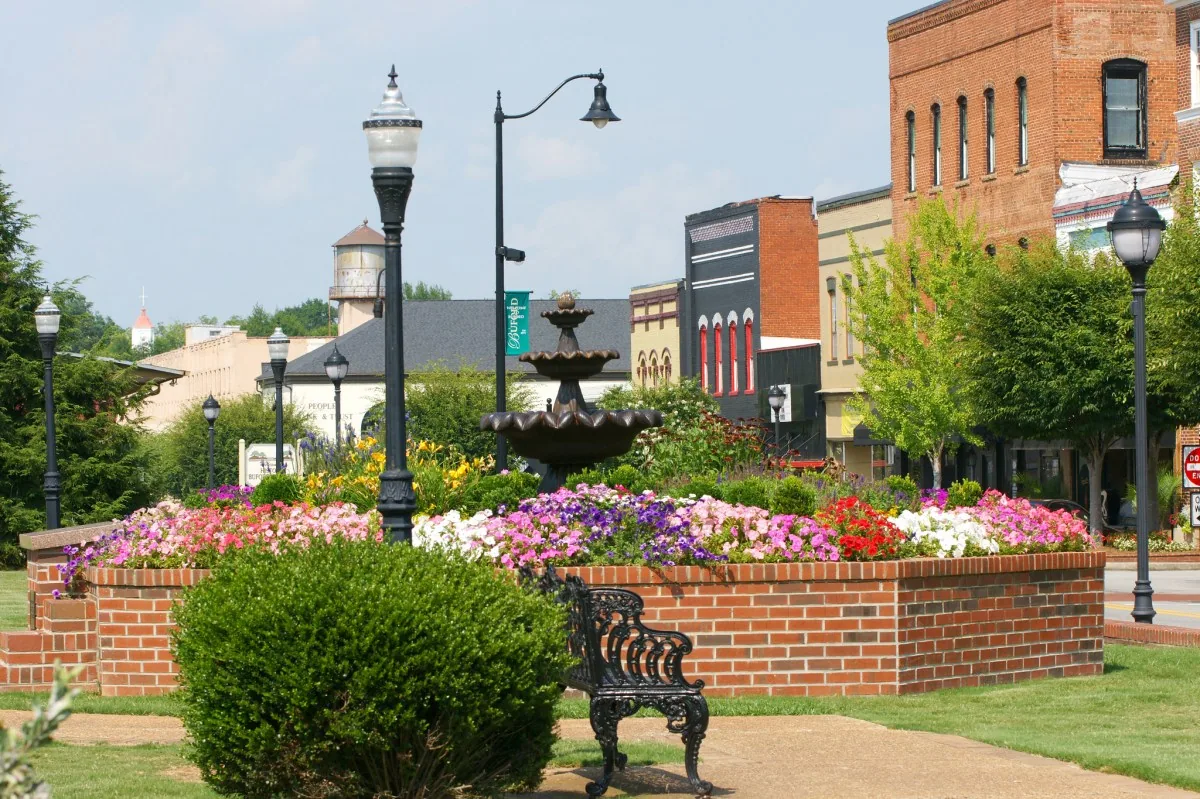
Commercial roof inspections and repairs near Holcomb Bridge Road and GA 400, with access planning and building-specific findings for Roswell properties.
Does the service request identify a property near Holcomb Bridge Road and GA 400, or only the interchange? Holcomb Bridge Road forms a major east-west route and Roswell's only SR 400 connection; more than 70,000 vehicles travel through the interchange daily. That traffic context can affect arrival and staging, but it does not identify a roof or site entrance. We need the building, roof plan, and access contact before setting the inspection boundary.
How should the worksite be identified?

Service Areas from Commercial Roofers Johns Creek.
Provide the property name, building entrance, reported leak or damage, roof hatch, loading area, and person who can authorize access. Holcomb Bridge Road and GA 400 describe a broad transportation node, not a specific address or permission to stage. If the city has planned interchange or express-lane improvements near the work, confirm the current route and construction restrictions with the property representative before scheduling deliveries.
At the roof, compare the interior report with seams, flashing, drains, edge metal, curbs, penetrations, and prior repairs. Water may travel along a wall or beneath a membrane before appearing inside. Mark the suspected entry point and the evidence behind it. A commercial roof inspection can record the roof zone, photos, access limits, and any test needed before pricing a repair.
If the property faces a busy route, identify whether a lift, crane, or material delivery will occupy a lot, service lane, or public edge. The property manager should approve the location and confirm whether barriers or notices are needed. Truck access, customer routes, and building operations may vary between parcels even along one corridor. Add those limits to the work order rather than relying on a route used at another property.
Roswell's commercial areas extend into historic downtown, east-west activity zones, and the GA 400 corridor. A building near the interchange may have different tenants or roof records from one in East Roswell. Keep property names, roof plans, and photos separate so a field finding does not migrate to the wrong address when a portfolio has several local sites.
Which roof details should be checked first?
Start at the location connected to the report, then inspect nearby membrane seams, panel laps, penetrations, curbs, drains, wall transitions, and perimeter components. Note whether each detail is open, loose, punctured, obstructed, or only suspected. Photograph the close condition and its location on a roof plan. A wide shot helps the next technician find the same zone without repeating the entire inspection.
Confirm the roof material and assembly from documents or inspection. TPO and PVC need weld checks; EPDM seams and flashing use different methods; metal roofs need panel, fastener, and closure review. If the surface material cannot be confirmed, record that gap and test a representative area before choosing a patch. A moisture survey may help prioritize a test opening if hidden wet insulation could change the quantity.
Atlanta climate normals show rain in every month and many hot summer days. Those measurements come from the Atlanta station and are not a condition reading for an interchange-area roof. Check actual roof moisture and surface temperature before coating, welding, or applying adhesive. The work window must leave enough time for preparation and a weather-tight closeout, especially if material delivery or lift access is limited.
North and central Georgia storm hazards include damaging thunderstorm wind, hail, and tornadoes. If a property reports a recent event, inspect edges, corners, equipment supports, seams, and flashing for observed changes. A regional warning cannot show damage at one building. Record the date, photographs, and any pre-existing wear separately before describing a storm-related repair.
What evidence supports a repair or larger scope?
A local repair can address a confirmed opening when the surrounding material is stable and the roof system can take a compatible tie-in. Identify the area, preparation, material, seam or flashing detail, test, access, and closeout photos. If removal reveals wet insulation or a damaged deck, state where the crew pauses and who approves additional work. That boundary keeps the estimate connected to findings rather than to a broad allowance.
Leaks that recur at several details, widespread seam separation, or moisture across multiple roof sections may justify a broader evaluation. A commercial roof repair can price known defects. A replacement assessment should consider roof layers, deck, insulation, drains, edges, equipment, disposal, and staging. Compare options using the same building areas and exclusions.
A recover or coating needs checks for adhesion, moisture, attachment, slope, added height at drains, and perimeter capacity. Do not assume the existing roof can remain simply because a new layer is available. If records are incomplete, a test cut or bond test may be worth pricing before preparing a full proposal. Identify what result would change the recommendation.
Occupied work near a transportation corridor needs a coordinated schedule. A phased reroof plan can list lift placement, material route, noise periods, tenant notices, daily protection, and the handback contact. If traffic or construction activity changes the arrival window, update the site contact and protect the roof boundary until work resumes.
How do the road improvements affect roofing logistics?
The city has planned interchange and express-lane improvements to address congestion and regional connectivity. A plan does not establish the work status at a particular parcel, so confirm whether any active traffic control, detour, or construction access rule affects the project. Schedule deliveries with the property representative and identify an alternate route if a road closure blocks the usual entry.
Work near Roswell commercial properties and the Holcomb Bridge and GA 400 district should use the named site entrance and current logistics instructions. Do not assume that the route for a neighboring parcel or road project is available. The roof crew needs a clear location for materials, lift operation, and debris handling before arrival.
Check weather conditions on the roof, not only at the truck. If rain threatens an exposed detail, establish the stopping point, temporary cover, and person who checks it. The project record should note what was opened and how it was protected. If a product must cure before inspection, schedule a return check and keep public or tenant access clear until the zone is closed.
If another trade controls a sign, exhaust, support, or mechanical unit, write down who moves it and who confirms the flashing afterward. The road plan may affect when equipment can be delivered, but roof restoration remains a separate task. Document each handoff and completion photo so the property can locate the detail during later maintenance.
What should be saved after roof work?
Keep the building plan, system identification, inspection photographs, test locations, approved scope, materials, access notes, and final record. Mark areas not reached and any temporary fix that still needs follow-up. If the work affects a warranty, retain the issued document and its review requirements.
A roof condition report can preserve evidence and inspection limits. A roof capital plan can compare timing across properties while each building keeps its own system history. Keep road-access notes with the project record when they affected delivery or work windows.
Send the property identifier, roof plan, reported condition, access restrictions, recent work history, and timing needs to arrange a review. We can document what was confirmed and identify the repair or testing step supported by the inspection.
Commercial Roofing Questions
Does the interchange traffic count tell us when a roofing crew can arrive?
No. It describes traffic at the GA 400 interchange, not a property's gate or delivery schedule. Confirm the site's entrance, loading area, construction restrictions, and lift plan with its representative.
What should be checked after nearby road construction?
Confirm whether the project affected site access, staging, or roof work timing. Inspect the actual roof details and document any condition change; road activity alone does not establish roof damage.
How can a repair estimate handle hidden damage?
State the measured opening, stop point, and approval contact. If testing finds wet insulation or damaged deck, document it and request written direction before extending removal or adding quantities.
Should the corridor's commercial roofs share one maintenance plan?
A portfolio schedule can coordinate inspections, but each building needs its own roof plan, system record, and condition findings. Keep access instructions and repair histories tied to the exact property.
Back to Service Areas, or request a roof assessment and call 555-555-5555.