Commercial roofing in Johns Creek, GA
Repairs, replacement and maintenance
Commercial Roofing in Cumming City Center, Cumming, GA
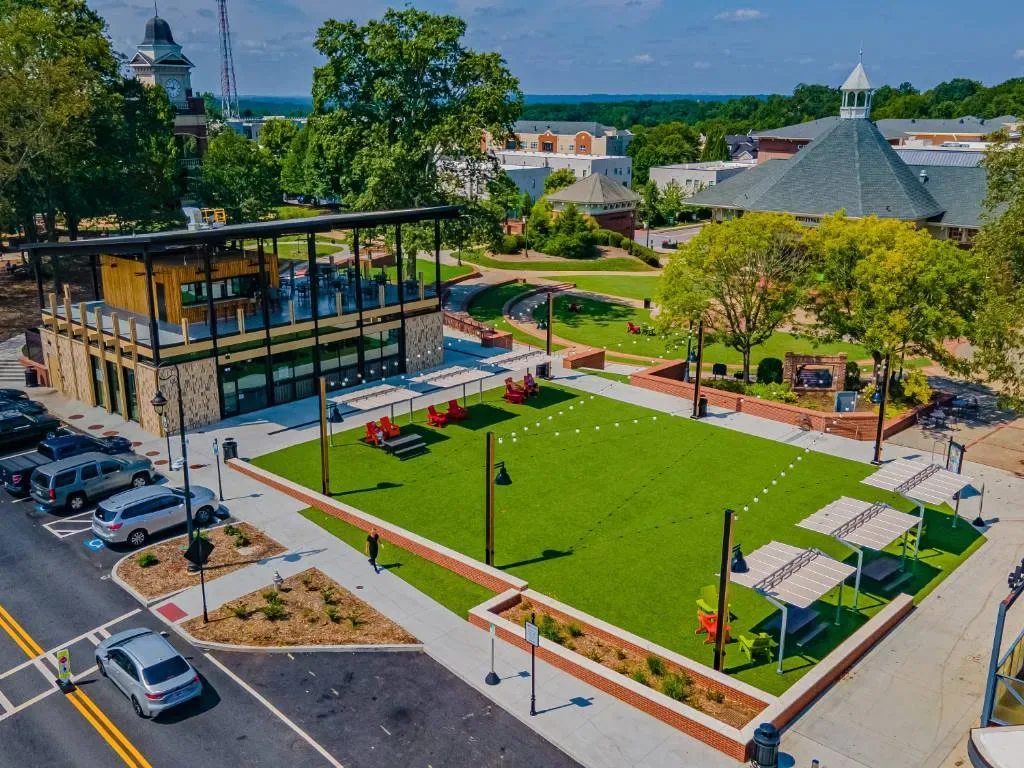
Commercial roof inspections and repairs in Cumming City Center, with public-space access planning and clear scopes for mixed-use properties.
Is the roof concern tied to a shop, restaurant, event space, or another property in Cumming City Center? The development covers about 75 acres west of downtown between Canton Highway and Sawnee Drive. Its plan includes retail, restaurants, an amphitheater, public gathering space, trails, and boardwalks. Those uses make pedestrian routes and site activity part of scheduling, but the inspection still needs the actual building, roof plan, and work area.
What should be confirmed before a roof visit?
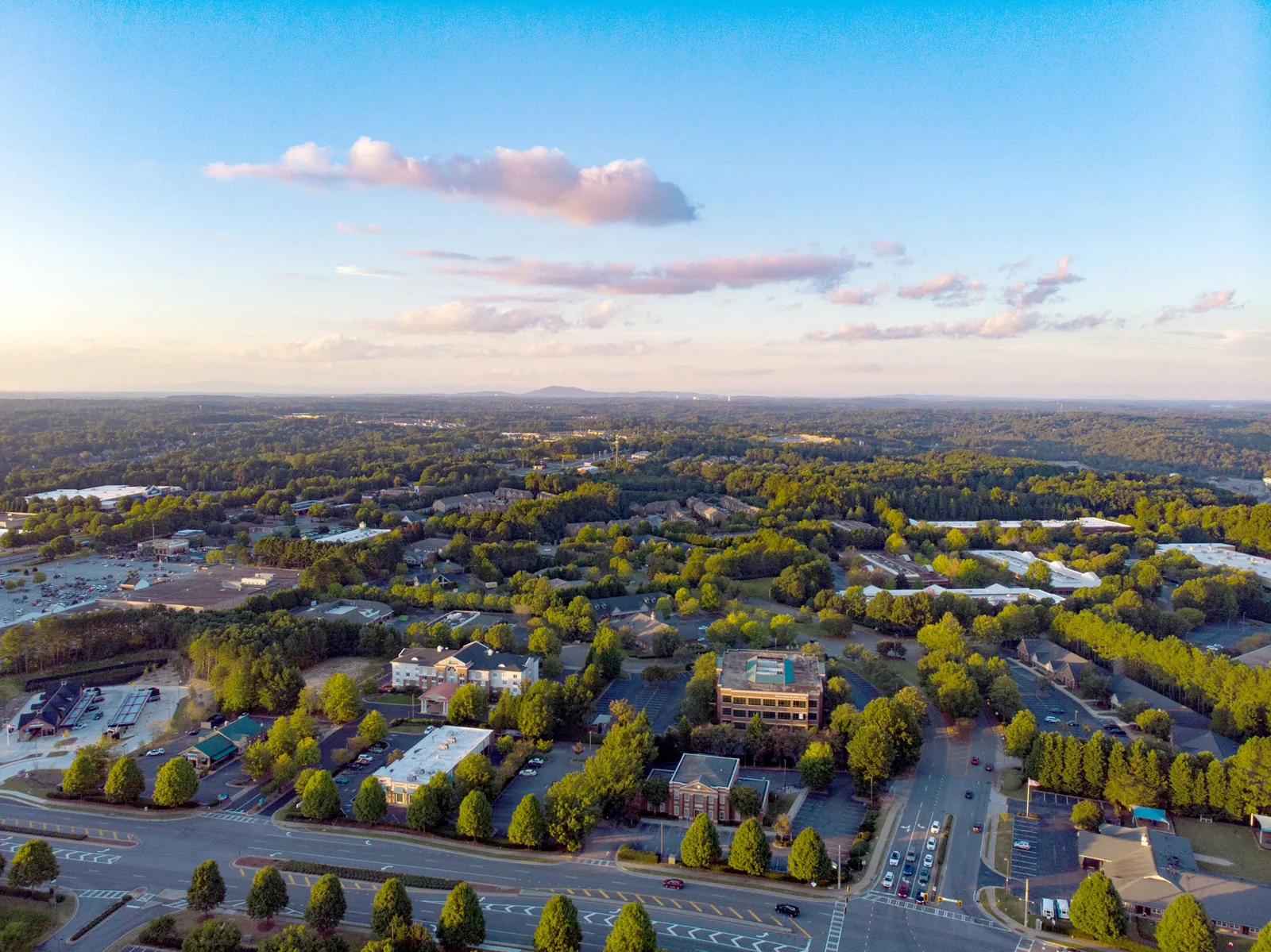
Service Areas from Commercial Roofers Johns Creek.
Identify the building name, roof hatch, tenant contact, reported condition, loading access, and person authorized to approve testing. The district includes public gathering areas and paths, so verify where a lift or material delivery may be staged and which routes need to stay clear. A project or event name does not tell us whether the roof is accessible at a given time.
Compare the reported symptom with the roof plan and examine seams, flashings, drains, curbs, parapets, panels, and prior repairs. If water appears inside at a point below a wall or transition, trace the path before naming the source. A commercial roof inspection can record the specific detail, condition, and limits of access before an estimate is prepared.
For restaurants, confirm exhaust, make-up air, service periods, and who controls mechanical units. For an amphitheater or public event area, ask about setup, event dates, audience routes, and temporary closures. Those operating facts come from the property manager, not from the district plan. The roof schedule should fit the actual activity of the building being serviced.
Cumming City Center includes approximately 117,000 square feet of retail and related uses, with an amphitheater and public gathering areas. That describes the development program, not the size or roof system of an individual structure. Measure roof areas from plans or field survey and keep separate entries for retail, restaurant, and other roof sections if their assemblies differ.
Which findings affect the repair boundary?
Inspect the field material, seam or panel joint, curb flashing, penetrations, edge metal, scuppers, drains, and transitions to walls or canopies. Record whether the detail is split, loose, punctured, blocked, or uncertain. A leak report alone does not define the roof opening. Use photographs, plan references, and the observed route to explain why a detail is included in the proposed scope.
Confirm material and assembly from project records and the roof itself. Different membranes have different welds and adhesives; metal panel seams and edge fasteners need their own check. If the product is unclear, do not assume a repair method from appearance. A moisture survey may help identify locations for direct testing when conditions suggest wet insulation, and the report should name its limits.
Atlanta climate normals show precipitation in every month, with hot summer days common. These figures come from the Atlanta station, not a measurement at Cumming City Center. Check actual roof moisture, surface temperature, and product instructions before applying a coating, adhesive, or weld. Drainage needs its own inspection: confirm the outlet, flashing, and discharge path rather than treating ponding as a diagnosis by itself.
North and central Georgia storm hazards include damaging winds, hail, and tornadoes. If a property reports a storm concern, examine exposed corners, edges, equipment transitions, and new interior symptoms. A regional warning does not prove impact to one City Center roof. Note the reported date and link each repair recommendation to observed damage or a verified defect.
When should work be split into phases?
A local repair can be scoped when the source is known, surrounding material can support a tie-in, and the work area can be made weather-tight within the shift. State preparation, material, flashing or seam method, test, access, staging, and closeout photos. If the opening reveals wet insulation or deck problems, pause at a defined location and obtain approval before extending the repair.
Repeated leaks, broad seam failure, or moisture across multiple roof areas may require a larger evaluation. A commercial repair estimate can address confirmed defects. A replacement review should consider layer count, deck, insulation, drains, parapets, equipment, removal, and access. Compare the same roof zones and exclusions across options.
Recover or coating work needs checks for adhesion, moisture, attachment, and added height at curbs and drains. A mixed-use development may include separate roof sections or project stages; confirm the materials and work history for each building before proposing one system across the district. If the existing roof condition is unclear, price an adhesion test or opening before final quantities.
Public gathering space can make work sequencing more sensitive to event setup and pedestrian movement. A phased roofing plan can identify the zone open each day, lift or delivery route, barriers, noise window, temporary cover, and handback time. The property contact should approve closures before they affect a public route.
How can the crew leave the area ready for the next day?
Choose a stopping point that can be protected before weather changes. Record what roof area is open, what cover is installed, who checks the temporary protection, and whether a test remains. If rain interrupts coating or welding work, note the surface condition and whether the material is ready to receive the next pass.
Atlanta's long-term climate data indicates rain in all seasons. That context supports a daily dry-in plan, while the actual roof determines whether materials can be installed. Check temperature and moisture at the work area and follow manufacturer limits. Allow time for preparation, cure, and inspection before the property resumes normal use below.
The planned trails and boardwalks mean public-space routes should be checked with the site contact before staging equipment. If a lift or debris container approaches a pedestrian route, confirm the barrier and alternate path. Do not assume a route shown on a development map is open or approved for roofing access.
Nearby Cumming commercial properties and the Suwanee Town Center and Old Town district have different site contacts and property histories. Use the City Center property access plan. If another contractor handles an exhaust, sign, or rooftop unit, document the handoff and final flashing check before the work area is closed.
What should be saved for the City Center property?
Keep the building and roof plan, system details, photos, test locations, approved work, material records, access limits, and closeout information together. Identify which section was inspected and any area not reached. List temporary protection separately from permanent repair and assign follow-up items to a contact.
A roof condition report can map findings and test limits. A roof capital plan can support project sequencing while preserving separate roof records for the district's buildings. If a warranty applies, retain its issued document and note required reviews before later work.
Send the property identifier, roof plan, concern location, tenant or event restrictions, access rules, and target schedule to arrange an inspection. We can document the observed roof condition, identify the repair boundary, and outline what needs testing before broader work is priced.
Commercial Roofing Questions
Does the 75-acre plan describe the roof size?
No. The figure describes the development area. Use the actual building plan or field measurement to define the roof section and quantities under review.
What should be coordinated before a public event?
Confirm setup dates, pedestrian routes, lift access, material staging, noise limits, and any barrier requirements with the site contact. The roof work plan should state how routes reopen after each shift.
Can one estimate cover all buildings in Cumming City Center?
Only if the scope identifies each building and roof section. Materials, access, tenant uses, and repair history may differ; inspect and measure the included areas separately.
How can we decide whether to repair or replace?
Verify the assembly, defect, moisture, deck, drainage, and tie-in points. A contained failure may support repair, while repeated or broader problems can warrant comparing replacement using the same roof areas and exclusions.
Back to Service Areas, or request a roof assessment and call 555-555-5555.