Commercial roofing in Johns Creek, GA
Repairs, replacement and maintenance
Commercial Roofing in Cumming, GA
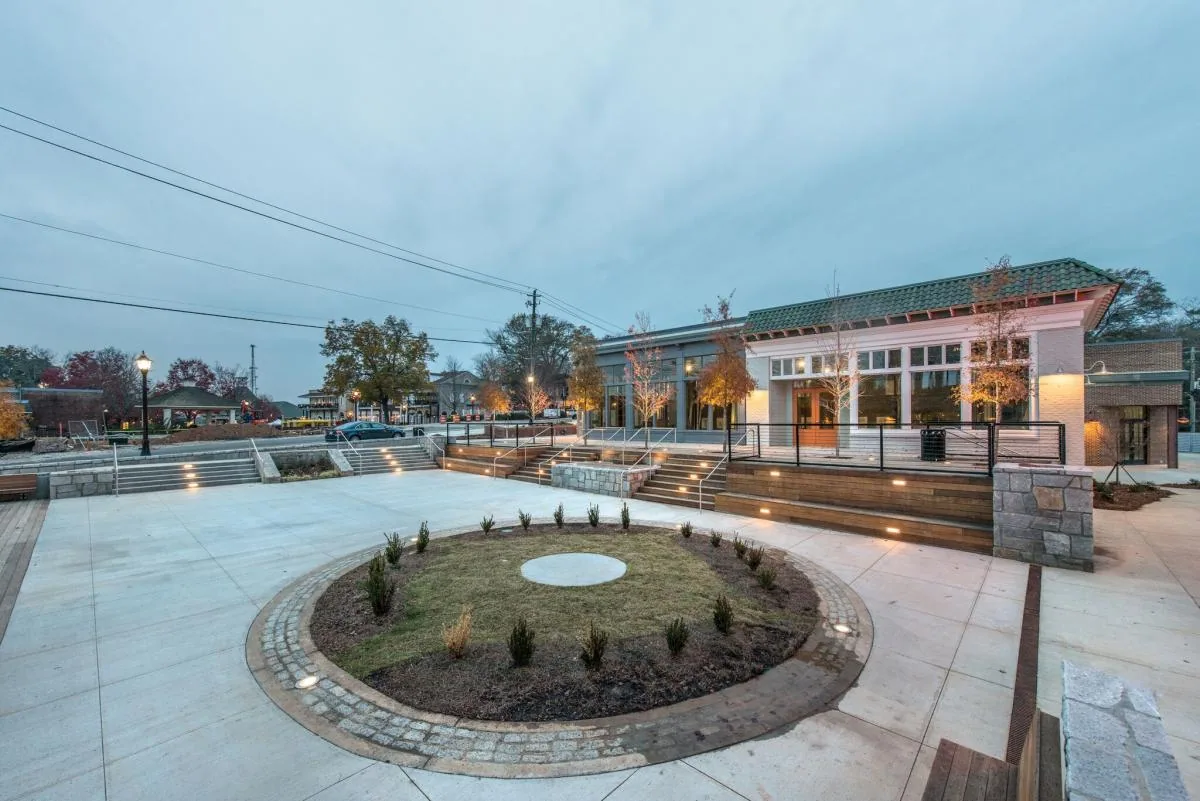
Commercial roof inspections and repairs in Cumming, GA, with field documentation and access planning for highway-commercial and civic properties.
Has the reported roof condition been tied to a Cumming building and its approved site plan? The city is Forsyth County's central city and a northern service-area market connected with Johns Creek through GA 400. Its comprehensive plan describes highway-commercial districts along state routes and a mix of commercial property types. That context helps locate the work, but the building's roof system and access rules still need to be confirmed directly.
How should the site be prepared for an inspection?
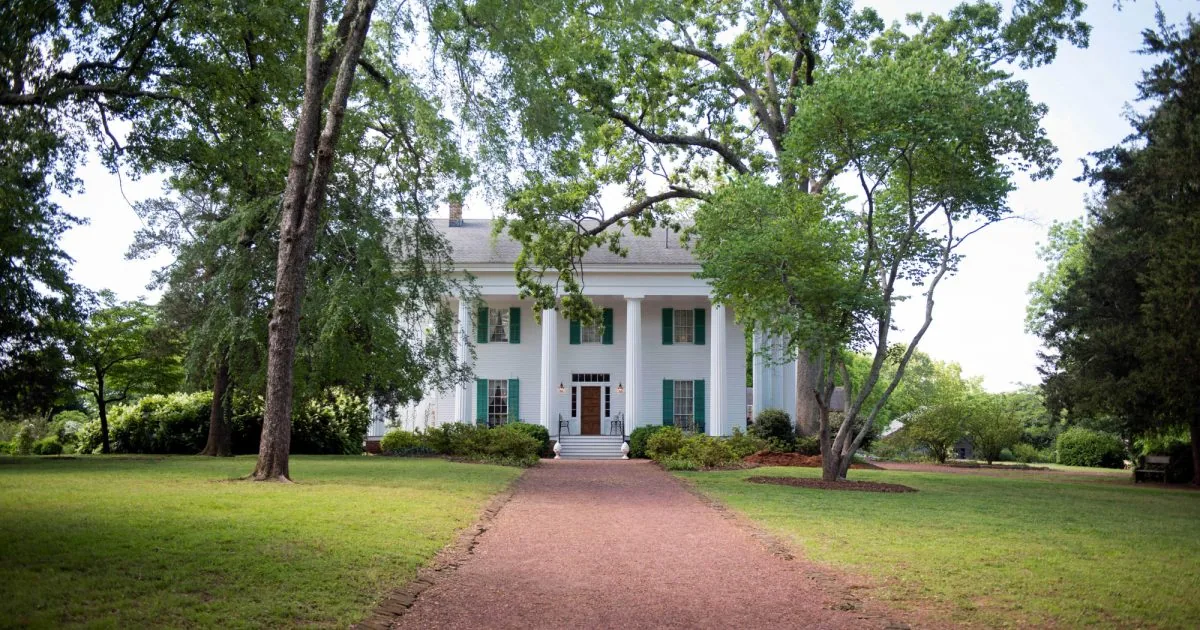
Service Areas from Commercial Roofers Johns Creek.
Send the property name, building plan, roof layout, reported leak, recent repair or mechanical history, and access contact. Confirm the entrance, roof hatch, loading route, lift location, and any restrictions on tenant or equipment areas. Cumming's land-use department reviews commercial construction, site plans, and trade inspections within city limits. If the roof scope is part of a permitted project, the owner should confirm which approvals and inspections apply before work begins.
On site, compare the reported interior mark with seams, flashings, drains, penetrations, equipment curbs, walls, and previous patches. A stain may not sit directly below the roof defect, so trace the supported water path and document what remains uncertain. A commercial roof inspection can record findings, photos, access limits, and test locations before the scope is priced.
For commercial property along a state route, ask the property contact about delivery, loading, and visibility controls. A roof crew may need a lift or material staging that affects active circulation. Those details are property-specific; the highway-commercial designation does not say which driveway is available or what hours the business keeps. Confirm the approved route and any public-space restriction before dispatch.
Keep the site plan, roof plan, and permit record together when a project includes a new curb, drain change, or reroof. If a separate trade performs work on the roof, identify who owns the opening and who verifies the finished flashing. The city inspection process and the roofing contractor's closeout have different roles, so document the approvals and field work separately.
What should the roof findings establish?
Inspect membrane fields or metal panels, seams and laps, edge details, parapets, drains, scuppers, skylights, penetrations, and equipment supports. Record the defect type and roof zone. If a seam is open, note its length and nearby material; if a drain is blocked, inspect its bowl, sump, discharge, and flashing. A general note that the roof leaks does not identify which of these items needs work.
Confirm the assembly from drawings or field conditions. TPO, PVC, EPDM, modified bitumen, built-up, and metal roofs use different materials and repair methods. If the system is unclear, note that rather than select a patch from appearance. Where hidden moisture could change the scope, an infrared moisture survey may help prioritize an opening, but the report should state what the readings can and cannot establish.
Atlanta's long-term station record tracks rainfall through the year and recurring summer heat. Those are station measurements for Atlanta, not a reading from a Cumming building. Check the actual roof surface, deck, and product instructions before welding, coating, or bonding material. Rain and surface moisture can affect preparation, while hot conditions may narrow safe work hours.
North and central Georgia experience severe thunderstorm winds, hail, and tornado hazards. After a reported event, inspect the exposed edges, corners, equipment supports, seams, and new interior reports. A storm alert is not a site assessment. Record the event date and observed changes, and separate any pre-existing deterioration from the event-related findings.
Which repair option is justified by the inspection?
A localized repair can address a confirmed opening when surrounding material is sound and a compatible tie-in can be made. Include the preparation, material, seam or flashing detail, test method, access, and closeout photos. If removal could uncover wet insulation or deck damage, define the stop point and approval process before opening farther. State which roof zones are included and what remains excluded.
Repeated leaks, broad seam failure, multiple wet areas, or a deteriorated deck can support a larger evaluation. A commercial repair estimate should identify confirmed defects. A replacement assessment should compare removal, recover eligibility, layers, insulation, deck, drainage, edge height, rooftop equipment, and staging. Use the same areas and exclusions in each proposal.
Recover and coating options need checks for adhesion, moisture, attachment, existing layer count, drainage, and compatibility. A state-route business designation does not tell us whether its roof can accept added material. If field evidence is limited, price a test opening or bond check before specifying a full roof area. Record which result would change the recommendation.
For an active commercial building, coordinate deliveries, customers, tenant access, and equipment shutdowns. A phased roofing plan can identify which section is open, the daily dry-in, and the person who receives the handback. If the property is a new or permitted project, include its approved details and the relevant inspection sequence in the work packet.
How does Cumming's northern market affect scheduling?
The city's planning connects Cumming to Johns Creek through the GA 400 corridor. A visit from the southern service area still needs the site address, loading instructions, and appointment contact. Confirm whether traffic, delivery restrictions, or a site project changes the route before moving a lift or materials. Do not use the broader corridor name as the access plan.
Cumming City Center is a mixed-use development with retail, restaurants, public gathering space, and trails. Its project schedule or event calendar may affect access around that district, but a building there requires its own property rules. In Milton, commercial nodes have separate ownership and roof records. Keep each area's work plan tied to the specific property.
Atlanta's long-term weather record includes rain throughout the year. Before leaving an opened section overnight, identify the temporary cover, inspection contact, and route for a return visit. If rain arrives during preparation, document the state of the substrate and whether the work must be rescheduled. Product instructions and actual site conditions determine if work can continue.
If an inspector or permit authority needs to review a roof detail, plan that step before it is concealed. Retain the approved detail, inspection result, and roofing closeout with the property documents. A test opening or replaced drain should remain traceable after construction staff and roofing crews have left the site.
What should remain with the Cumming roof records?
Keep the roof plan, system information, photos, test locations, scope approval, materials, permit or inspection record, and completion details together. Mark areas not accessed and every follow-up item. If a warranty applies, retain the issued terms and note notification requirements before future work.
A roof condition report can show observations, test methods, and access limits. A roof capital plan can help schedule future projects while maintaining separate records for each building. Keep site plan and trade inspection information with the roof file when those approvals affect a detail.
Send the property identifier, roof plan, reported condition, access rules, repair history, and decision date to arrange a review. We can document what was confirmed and outline the test or repair step supported by the building's record and field condition.
Commercial Roofing Questions
What should a Cumming roofing request include?
Include the property name, building and roof plan, leak location, repair history, access contact, and any permit or project documents. Note delivery or site-inspection constraints that could affect timing.
Does the land-use department inspect a contractor's roof work?
The city oversees applicable commercial construction, site plans, and trade inspections within its jurisdiction. The owner should confirm which permit and inspection steps apply to the specific roof project.
Can a highway-commercial property be worked on while open?
Yes, if the property contact approves staging, customer routes, delivery windows, noise, and daily weather protection. Put access limits and equipment handoffs into the work plan before materials arrive.
When should a test opening be considered?
Consider one when hidden layers, moisture, deck condition, or product compatibility could change the repair boundary. Document the location, observed materials, result, and restoration detail.
Back to Service Areas, or request a roof assessment and call 555-555-5555.