Commercial roofing in Johns Creek, GA
Repairs, replacement and maintenance
Self-Storage Roof Repair in Johns Creek, GA
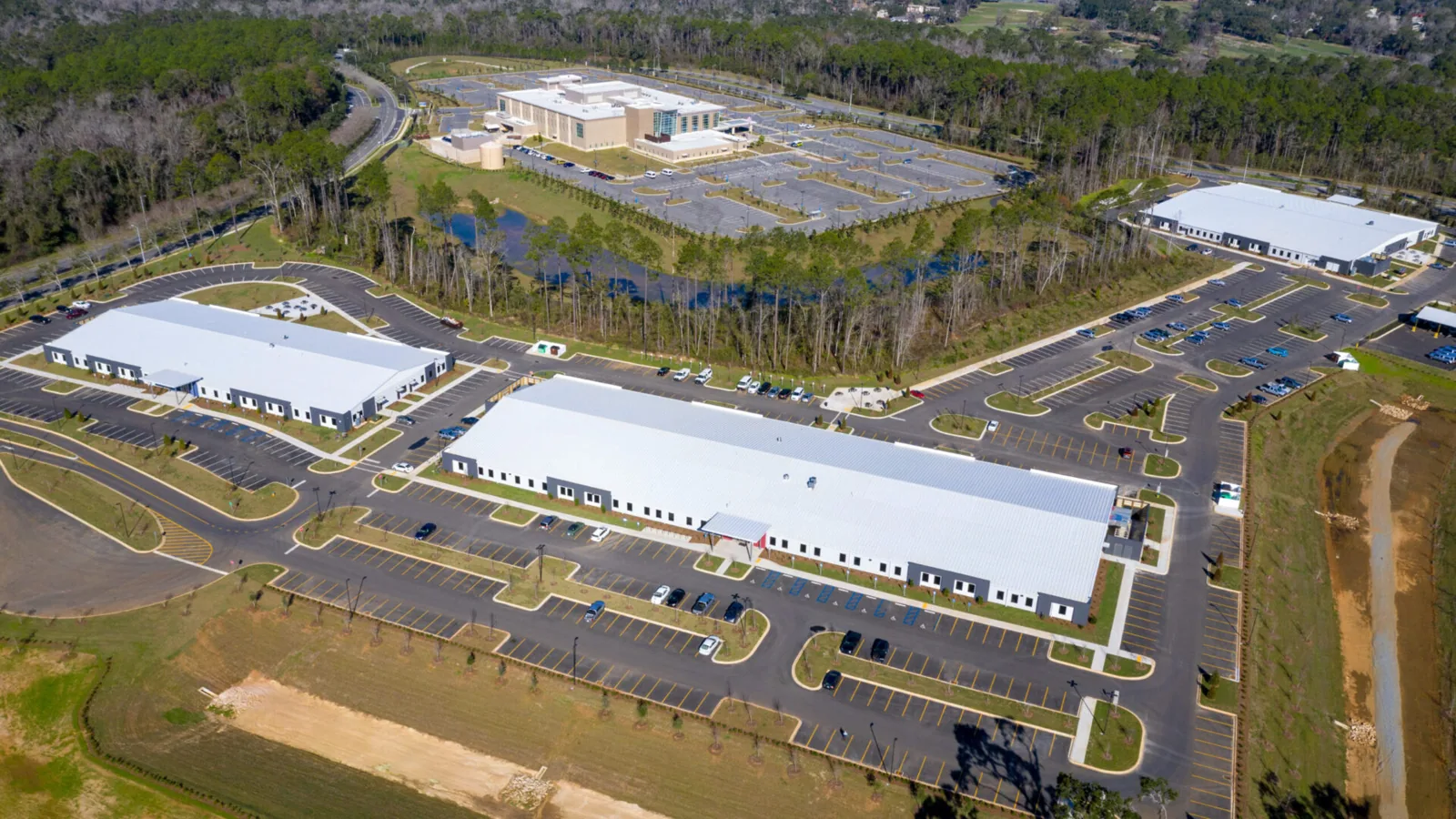
Self-storage roof inspection and repair in Johns Creek, GA, focused on unit protection, access aisles, drainage, and clear repair documentation.
Which storage rows, office spaces, or access aisles are under the reported leak? Self-storage roofing begins by matching the customer report to the roof section above it, then tracing water through seams, penetrations, and drain routes. We identify the observed condition and set the repair limit from the roof evidence. In the Norcross industrial market along I-85 and Peachtree Industrial Boulevard, storage and flex properties sit within a larger commercial corridor; a storage facility's unit layout and access plan still need to be checked building by building. A useful scope names the gate, units, and roof area under review.
How do you locate water above a unit row?
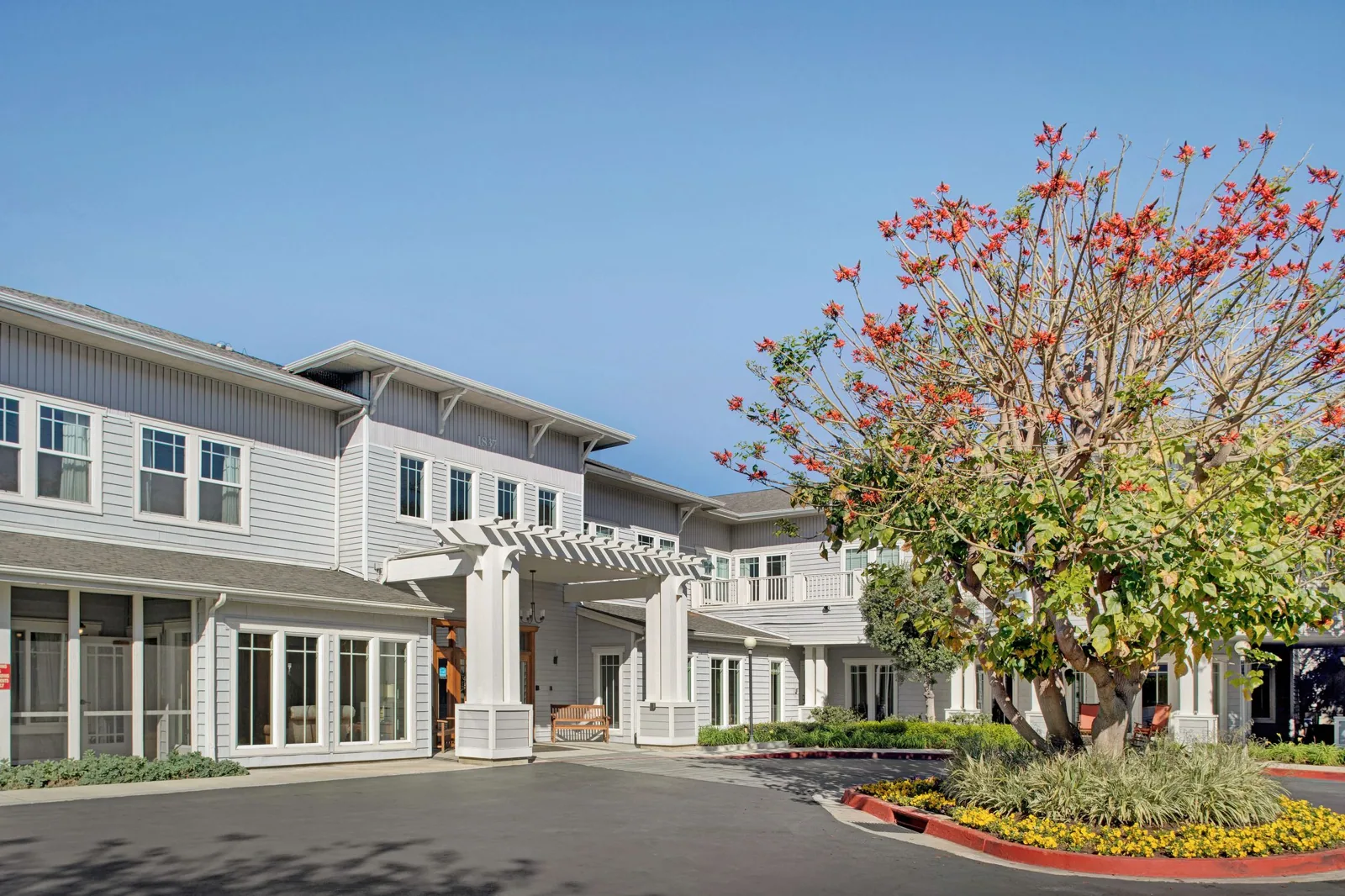
Property Types We Roof from Commercial Roofers Johns Creek.
We review the building plan, unit identifiers, reported timing, and any maintenance history before inspecting the corresponding roof zone. Water can travel along a deck or framing before reaching a ceiling panel, so the nearest stain does not prove which seam or penetration failed. We inspect laps, skylights, curbs, drains, edge metal, and previous patches, then photograph the detail and mark the boundary. If insulation may be wet, a test cut confirms the assembly at the selected point.
Rows may sit beneath different sections or additions with different roof histories. The site contact helps match unit numbering to the building map and identifies any spaces that cannot be opened. A commercial roof inspection can establish the condition by zone, and an infrared moisture survey can help select test areas where readings suggest concealed moisture. If the property has enclosed and drive-up units, we confirm which construction and roof zone sit above the report rather than assume a uniform assembly. Offices, corridors, and storage bays can have different penetrations and drainage details. The roof plan should show additions, patched sections, and any unit row the inspection could not reach, with a note about why it remains outside the verified area.
How should stored property and access be protected?
Before work starts, we identify occupied units, office hours, gate lanes, customer walkways, fire access, and loading or delivery points. The property manager confirms whether a unit must be cleared, covered, or kept accessible. If roof removal is needed, we limit the open area to what can be protected and closed that shift. The work plan says which row, door, or drive aisle may be affected and when the route is expected to reopen.
Technology Park Johns Creek includes low- and mid-rise offices, retail, industrial uses, and community facilities near Medlock Bridge and McGinnis Ferry roads. That mix illustrates how varied commercial access can be, but it does not establish the layout of a storage property. We verify gate codes, lift placement, tenant notices, and emergency access with the manager. A phased reroof sequence can keep the repair boundary tied to a specific row and working window. We identify whether tenant vehicles can remain near the work area and how the site handles a temporary closure of a drive aisle. If a lift blocks a gate or delivery route, the manager confirms an alternate path before mobilization. The plan also names the time when barriers will be checked and who will reopen the lane after the roof is secured.
When does a unit-row leak point to a larger project?
An isolated puncture or failed flashing may have a narrow repair when surrounding material remains secure and dry. Repeated leaks across several rows, widespread wet insulation, loose attachment, or deck deterioration can call for a broader review. We separate tested findings from areas that remain closed, then note what evidence would expand the scope. If concealed conditions are assigned an allowance, the proposal states how approval will be obtained before extra work begins.
Water over stored belongings may require urgent cover while the permanent correction is scoped. When stored property is at risk, identify affected units and record temporary cover separately from the permanent roof scope. The service record identifies which units were protected and whether the roof source was confirmed. A roof emergency response is not a substitute for follow-up inspection where the assembly remains untested. If more than one leak appears, we compare dates and locations rather than combine them into a single roof-wide diagnosis. An owner may choose to stage repairs by building, but the proposal should show which areas are ready for work and which depend on further testing. That distinction helps keep unit access, temporary protection, and material orders aligned with findings that can be confirmed.
What role do roof drains and storm checks play?
We inspect strainers, drain bowls, scuppers, gutters, overflow paths, and the roof surface leading to each outlet. Clearing a blocked opening may restore flow, but a low deck or failed drain flashing will need its own correction. We document whether water could reach a unit door, office entrance, or vehicle lane below. A drain and overflow repair can be included with membrane work when inspection confirms both items.
When a severe-weather notice covers north Georgia, we check the site for actual punctures, displaced trim, lifted seams, and new water entry. A regional alert is not evidence of damage at an individual storage property. We identify the building and unit row tied to each report, then record whether roof access was available. If the forecast narrows the safe work window, we reduce the daily open area and confirm protection before leaving.
What should the facility manager keep?
The closeout should show the building and roof zone, affected unit row, repair location, materials, photos, test points, access restrictions, and remaining follow-up. We identify where a temporary cover remains and whether tenant contents or a lane need continued protection. If work spans multiple buildings, the record tracks each separately. This lets an onsite manager answer a later leak report without relying on a generic invoice.
Suwanee Gateway is a mixed commercial district around I-85 Exit 111, while the Norcross industrial market follows I-85 and Peachtree Industrial. Both illustrate the broader service area's active business corridors; neither substitutes for inspecting a particular roof. A roof condition report can support future maintenance, and a warehouse roof survey or flex-building inspection can keep other portfolio assets distinct. Sites near Suwanee Gateway can coordinate inspection access with the facility manager. The report can also note which tenant reports were addressed, whether roof access is shared with mechanical service, and which drain points require routine review. These practical details support the onsite manager without implying that each unit row has the same roof condition or repair need.
Commercial Roofing Questions
Can tenants keep using units during roof repairs?
The affected row, noise, work method, and need for interior protection determine which units can stay accessible. We identify the work zone and expected window, and the property manager handles tenant notices and access arrangements.
How can a manager match a leak report to the roof?
Unit identifiers, building plans, and the timing of the report help narrow the area. We inspect the relevant roof zone and nearby details, then map the observed condition and any area that still needs direct testing.
What happens if stored contents may have been exposed?
We coordinate urgent protection with the manager and document the affected area. The roof inspection then confirms the entry point and distinguishes a temporary cover from the permanent membrane or flashing repair.
Do all buildings in a storage property need the same work?
No assumption should be made from one roof section to another. We record each building's system, observed condition, and repair history, then group only the work supported by those findings.
Back to Property Types We Roof, or request a roof assessment and call 555-555-5555.