Commercial roofing in Johns Creek, GA
Repairs, replacement and maintenance
Flex Industrial Roofing in Johns Creek, GA
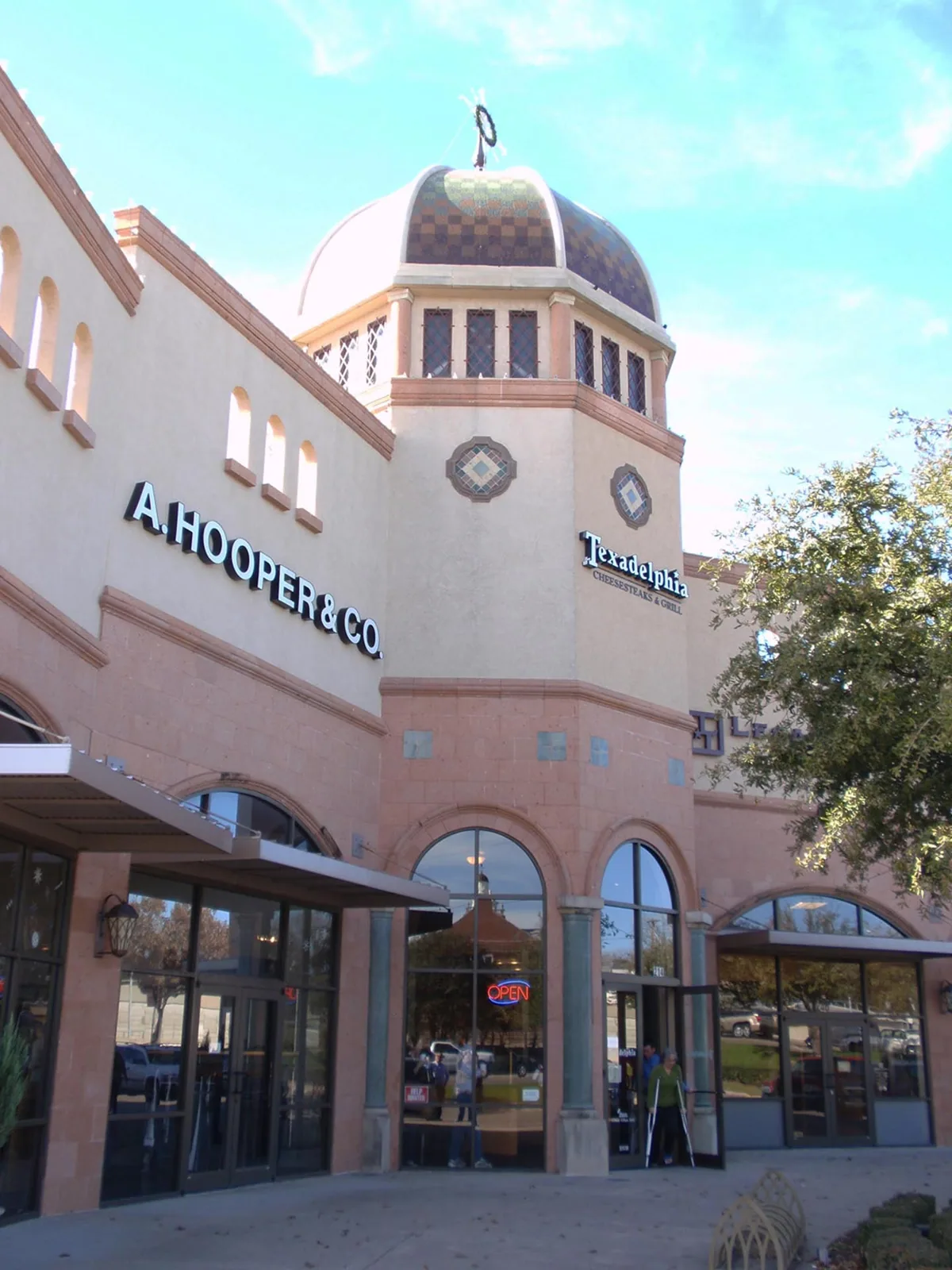
Flex industrial roof inspection, repair, and replacement in Johns Creek, GA, with clear scopes for mixed office, production, and service areas.
Which tenant suite is reporting water, and what roof section serves it? Flex industrial roofing needs a building-by-building roof map because one property can combine several uses and later additions. We trace the report to the roof zone, inspect the related detail, and mark the confirmed repair limit. Johns Creek has commercial nodes along Medlock Bridge and McGinnis Ferry roads; each flex building still needs its own access and assembly review.
How do you separate the building's roof zones?
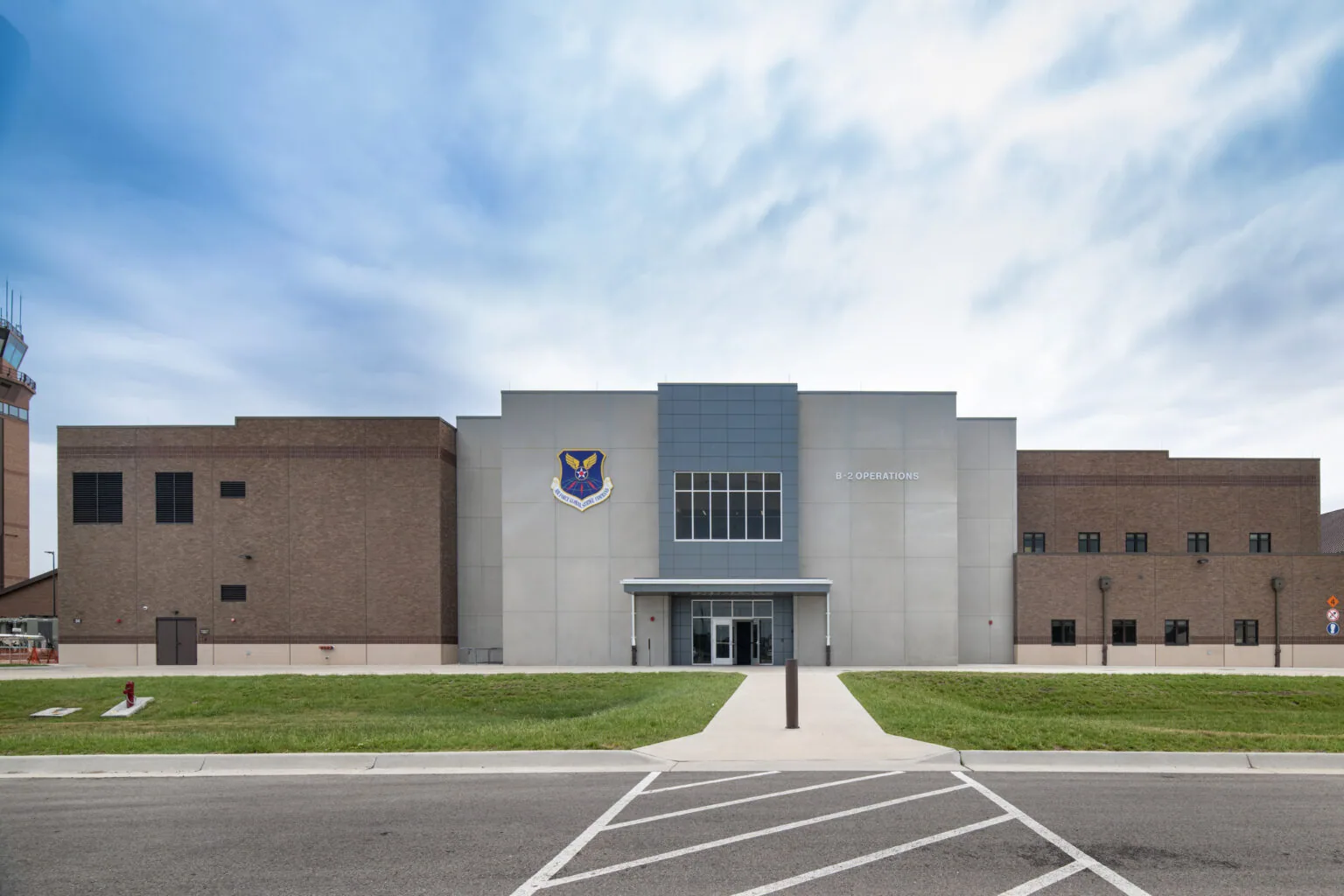
Property Types We Roof from Commercial Roofers Johns Creek.
We review roof plans, prior repairs, tenant areas, reported leaks, and equipment locations before inspecting seams, curbs, skylights, drains, and wall transitions. Additions can create changes in roof height, assembly, or drainage path. Water from one section may travel before appearing in another tenant's space, so we record both the interior evidence and the likely roof route. Tenant demising lines do not necessarily follow the roof drainage boundary, so we compare suite plans with the roof plan and trace where each section sends water. An office wing may meet a taller production bay at a wall transition, while a later addition may have its own low point or drain. The inspection records those transitions and identifies the owner contact responsible for shared roof areas before a repair is assigned. Photographs and test findings show where the scope can stop; an untested section remains identified as unknown.
Flex properties often have several tenant contacts and service vendors. We confirm which roof penetrations belong to HVAC, exhaust, or process equipment and note where a separate trade must complete work. A commercial roof inspection can map conditions by roof zone, while an infrared moisture survey can help narrow test cuts where the assembly may hold water.
What needs coordination across tenants?
We identify receiving doors, employee paths, customer entrances, production hours, equipment shutdowns, and any tenant space below the work. The property manager confirms who can approve access and how schedule updates reach each occupant. If roof removal is required, we limit the open section to what can be dried in before the crew leaves. The plan states which area may be affected, what protection is required below, and whether noise or odors need a specific work window.
Peachtree Industrial Boulevard connects office, retail, light-industrial, and logistics properties across northeast Gwinnett, while Johns Creek includes mixed commercial properties across its Medlock Bridge and McGinnis Ferry corridors. These are regional context, not proof of a particular tenant's operation. We verify the building's actual use and service routes. A phased reroof plan can separate roof zones and tenant notice periods so one work area does not become a blanket closure for the property. Before mobilization, the manager can give us the current tenant directory, permitted delivery hours, and any process that cannot be interrupted. We record which contact can authorize temporary shutdown or after-hours access. If a tenant operates sensitive equipment, the site team confirms the condition for restart after roof work; we describe roofing tasks and leave equipment operation to its owner.
How do repair and replacement scopes differ?
A localized seam failure or curb flashing defect may be addressed when surrounding material and attachment remain stable. Repeated leaks across different tenant suites, wet insulation across more than one zone, or deck deterioration can point to a larger project. We do not blend unrelated repairs into one generic number. Each finding is located on the plan, tested areas are identified, and any allowance for concealed conditions describes what would trigger added work. For a recover or replacement review, we verify the existing layers, attachment, substrate, and transitions before comparing options. The scope separates tear-off, disposal, insulation, edge metal, equipment coordination, and temporary weather protection where applicable. It also identifies any tenant process that may limit the work window. If a test result changes the recommendation, the record should show the location and finding that led to that change.
Where water threatens electrical panels, tenant inventory, or active work, temporary protection may be needed before a full proposal is complete. Our emergency response is staffed through nights, weekends, and holidays for active roof entry. The visit documents what has been protected and what needs permanent correction. A commercial emergency response can address immediate exposure while the inspection confirms whether more than one roof zone is involved.
What should be checked at transitions and outlets?
We examine roof-to-wall transitions, curb flashings, drains, scuppers, gutters, and overflow routes where different building sections meet. If one tenant addition drains toward another unit, the scope needs to identify the responsible outlet and the area below it. A blockage may be cleared, while a low deck or failed drain flashing needs a separate fix. A drainage repair can be coordinated with membrane work when the findings justify both.
Atlanta climate normals include precipitation in every month and hot summer days. North Georgia thunderstorms may bring damaging wind, hail, or tornadoes. We inspect the actual roof for loose edge conditions, punctures, open laps, or water entry after an event; a warning alone is not a diagnosis. The forecast, material requirements, and tenant schedule together determine how much of the assembly can be opened during a shift.
What makes a flex-building closeout usable?
The closeout should list the building and roof zone, tenant areas affected, materials installed, photographs, test locations, exclusions, and follow-up items. We note any work controlled by a different vendor and whether a temporary cover or access restriction remains. If several additions have separate conditions, each should have its own status. That allows a property manager to compare the next leak or service request with the exact detail previously repaired. If one lease area is altered later, the record lets management see whether that work affected a drain route, curb, or roof penetration. We can note the original roof condition before the tenant improvement and identify any roof detail that should be checked after another contractor completes its work. That keeps future service planning connected to the current assembly rather than an outdated suite map.
Technology Park Johns Creek and Peachtree Industrial Boulevard both illustrate mixed commercial activity in the wider service market. Their land-use descriptions do not establish the roof type at an individual property. A roof condition report can preserve the observed facts for future planning. Managers can compare a warehouse roof plan or office roof review as separate scopes, and facilities near Peachtree Industrial can arrange a survey around confirmed tenant access.
Commercial Roofing Questions
Can one repair scope cover several flex tenants?
A single proposal can combine work that shares a verified system and access plan. We still identify each roof area, the tenant below it, and any scope difference, so one finding is not treated as proof about another suite.
How do you handle roof penetrations installed by a tenant's vendor?
We inspect the roof interface and document the membrane or flashing condition. The proposal names any equipment disconnect, relocation, or reconnection that remains with the tenant's mechanical vendor.
What if one section has a different roof system?
We record the assembly by zone and avoid pricing it as though it matched the adjacent section. A test or close inspection can identify material transitions before repair or replacement options are compared.
Can tenants keep working while the roof is open?
We define the work area, interior protection, noise, and daily dry-in point with the property contact. The tenant schedule and safe roof conditions guide the sequence, and restricted spaces are named before mobilization.
Back to Property Types We Roof, or request a roof assessment and call 555-555-5555.