Commercial roofing in Johns Creek, GA
Repairs, replacement and maintenance
Church Roof Repair in Johns Creek, GA
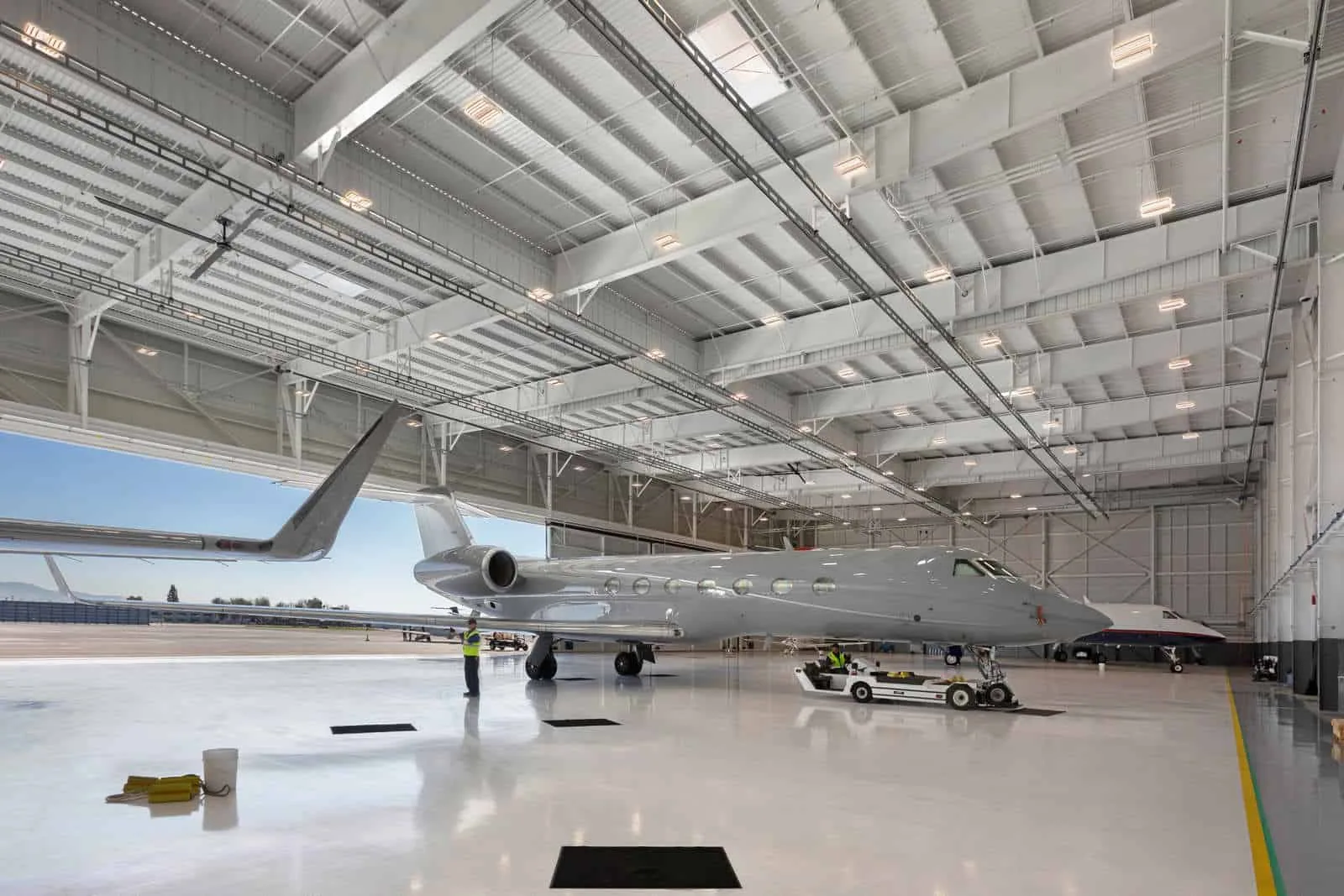
Church roof inspection, repair, and replacement in Johns Creek, GA, planned around worship schedules, assembly spaces, drainage, and documented findings.
Is the roof issue above the sanctuary, fellowship hall, classrooms, or an office wing? A church roof inspection follows the reported leak into the roof zone above it, then checks seams, transitions, drains, and penetrations before we set the repair limit. We document what is visible and what needs testing. Johns Creek Town Center is planned with housing, office, retail, hospitality, and public spaces; religious properties nearby still set their own event calendar, access rules, and building priorities.
What should the inspection establish?
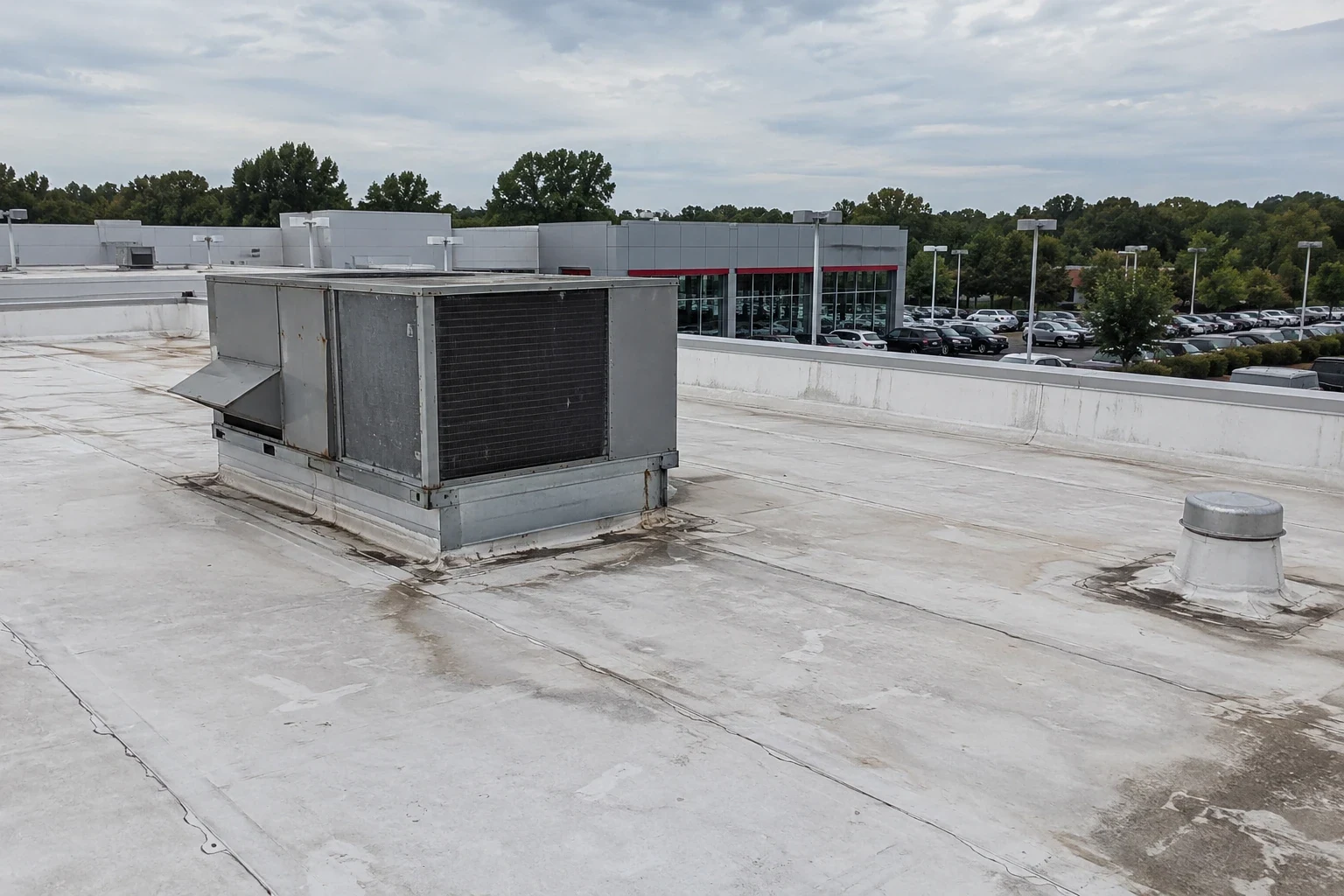
Property Types We Roof from Commercial Roofers Johns Creek.
We start with the building map, reported interior location, date of the leak, and recent roof or mechanical work. The roof walk checks membrane laps, parapets, skylights, curb flashing, drains, and prior repairs near the likely water path. A stain may sit away from the entry because water can travel along structure or utilities. We photograph each observation and mark any roof zone that could not be reached. If insulation appears wet, a test cut can establish the condition at that point before the scope expands. Large assembly rooms may have high ceilings and limited interior access, so we identify the precise area below any roof opening before work begins. Where a sanctuary ceiling or sound system could be affected, the church contact can identify protection requirements and vendor responsibility. We record those limits beside the roof zone instead of assuming access from the floor plan.
Church campuses can include sanctuary, education, administration, kitchen, and community rooms with different occupancy patterns. The roof assembly and condition are established through records and inspection, not the building's use. The facilities contact can identify roof plans, event dates, equipment responsibilities, and interior spaces requiring protection. A commercial roof inspection can produce a zone-based record, and an infrared moisture survey can help narrow test locations when concealed moisture is suspected.
How should work fit around services and events?
The plan should identify worship times, funerals, weddings, classes, food service, deliveries, and community programs that may use the same entrance or parking area. We confirm the work window with the church contact, then map equipment staging, lift positions, noise, barriers, and any interior protection. When a roof section is opened, the crew limits the exposed area to what can be closed before the shift ends. The daily closeout records what can reopen and what remains restricted.
Johns Creek's commercial mix includes Technology Park and the Medlock Bridge and State Bridge business area, where access needs vary between active properties. That local context does not set a congregation's calendar. We confirm actual use of each building and outdoor gathering space before mobilization. A phased reroof plan can state which rooms or paths may be affected, who receives updates, and what condition must be met before the area is returned to use.
Which findings point to repair or replacement?
A split seam or isolated flashing failure can have a limited repair boundary if the surrounding membrane is still stable. Several active leaks, moisture across multiple roof zones, damaged deck, or widespread attachment failure may change the recommendation. We separate confirmed defects from areas that have not been tested, then document any allowance for conditions revealed during removal. The scope names the evidence that could change quantities and requires approval before work exceeds the agreed limit.
If active water threatens the sanctuary or electrical equipment, emergency protection may need to start before a full repair estimate is complete. If an occupied room needs protection, identify it in the work record and state which roof detail remains for permanent repair. Temporary covering does not establish that the roof assembly is dry. A rapid roof response should be followed by inspection of the surrounding detail and a permanent scope when conditions allow.
What can drains and weather expose?
We examine drain strainers, scuppers, overflow routes, gutters, and the roof surface around each outlet. A blocked strainer may be cleared, but a depressed deck or failed drain flashing requires a different correction. The report states where water was standing, whether it could reach an outlet, and whether discharge could affect an entrance, accessible path, or gathering area. A drain and scupper repair can be planned with membrane work when both are part of the confirmed scope.
A storm walk should start with the reported church building and interior area, then check its own roof details. We look for lifted edge metal, punctures, open seams, and evidence of water entry rather than treating a warning as proof of damage. The forecast limits how much roof can safely remain open, while the building's event calendar determines how the crew can stage and protect the space below. After a storm, the first report should identify which building, room, and roof area is involved. We can then compare photos from the affected space with the roof walk and keep urgent protection separate from permanent repairs. That is useful when the church needs to decide whether to restrict only one room or shift activity to another building.
What should the church retain after the work?
Keep the roof plan with repair locations, materials, photographs, test points, access notes, and any area that still needs follow-up. The closeout should identify temporary measures and confirm whether another trade must finish a curb, fan, or interior repair. If a project crosses several buildings, each roof zone should have its own status. That makes future leak reports easier to compare with the last verified condition. The file can also record which congregation contact received photographs, where materials were staged, and any roof hatch or ladder that remains restricted. When a seasonal inspection is scheduled later, the same plan helps identify repairs that were completed and details that still need attention.
Medlock Crossing is a 21-acre commercial center at State Bridge and Medlock Bridge roads, within a broader Johns Creek commercial node. Its active access context is a reminder to verify parking and pedestrian routes, not a proxy for church property conditions. A roof condition report can keep findings available to the facilities committee. If the church manages a school building or senior care property, we record its assembly and operating limits separately. Facilities near the Medlock Bridge Road corridor can coordinate the roof walk around the actual site plan. Store the photos and written scope with the facilities committee records.
Commercial Roofing Questions
Can roof replacement be done without cancelling a service?
The roof section, noise, access route, and interior impact determine the work boundary. We coordinate dates and affected areas with the church contact, then identify what can stay open and what needs a temporary restriction. The calendar is confirmed before the crew mobilizes.
What if water appears only during a heavy rain?
We inspect drainage, overflow routes, seams, and penetrations near the reported space, then compare the finding with the path water could take across the assembly. A test cut may be needed if moisture may have reached insulation. The report distinguishes the observed point from any untested area.
Can several church buildings be covered by one estimate?
A proposal can group related work, but each building should retain its own plan, condition notes, and quantities. We document the separate scopes so a confirmed issue in one wing does not become a blanket assumption for the rest of campus.
What should be done after temporary leak protection?
The permanent roof detail still needs inspection once the area is accessible. We record what the temporary cover protects, whether water remains active, and what test or repair is required next. That follow-up is distinct from the emergency measure.
Back to Property Types We Roof, or request a roof assessment and call 555-555-5555.