
Commercial roofing in Johns Creek, GA
Repairs, replacement and maintenance
Auto Dealership Roofing in Johns Creek, GA
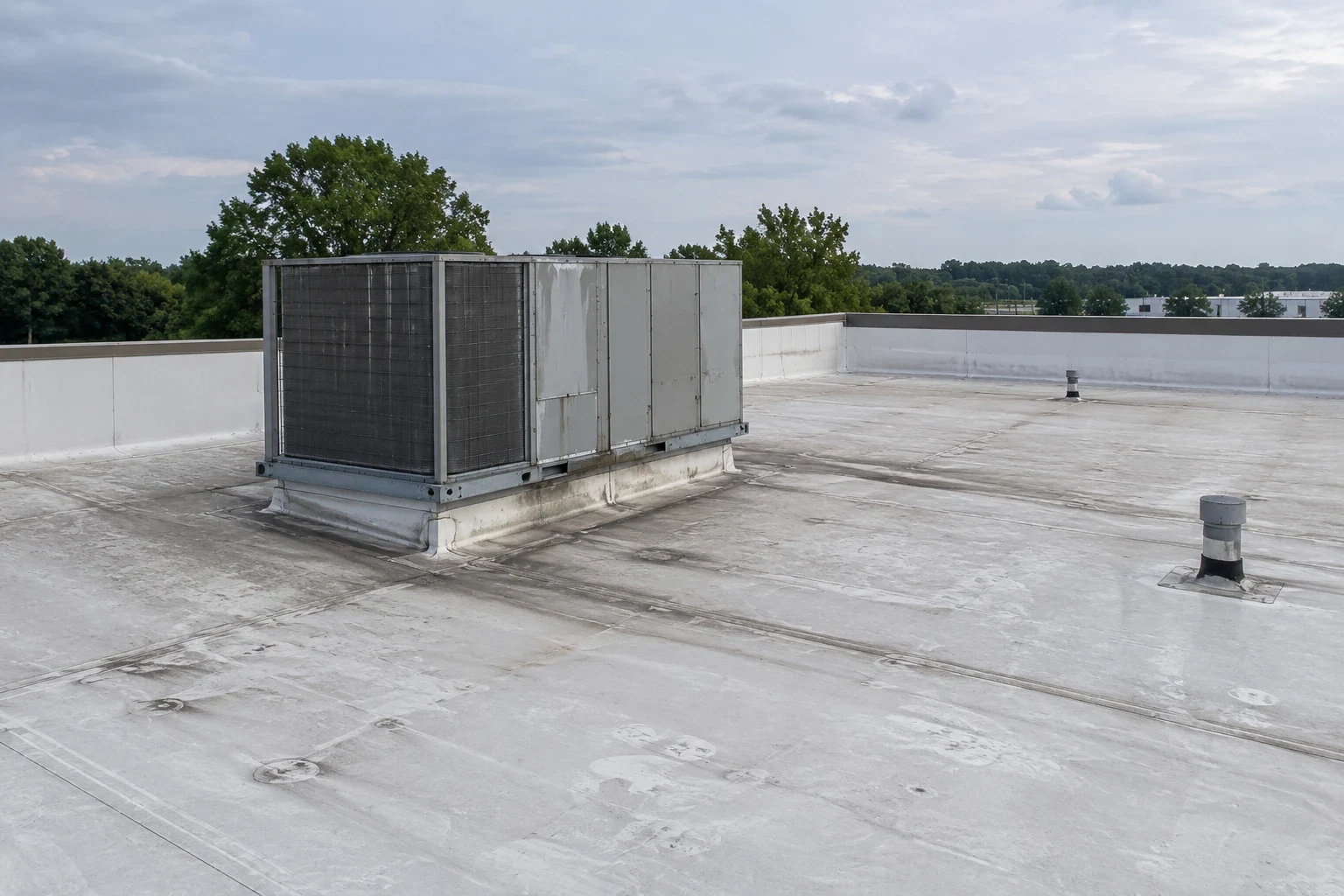
Auto dealership roof inspection and repair in Johns Creek, GA, coordinated with service bays, vehicle display areas, and customer access.
Is water near the showroom, parts room, service bays, or vehicle delivery area? A dealership roof inspection connects the reported space to the roof zone above it, then checks seams, penetrations, drains, and equipment curbs. We document the confirmed condition before setting a repair boundary. North Point in Alpharetta is a regional activity center with shopping and dining destinations; dealership access and roof conditions still have to be verified at the individual property.
Which roof details deserve a closer look?
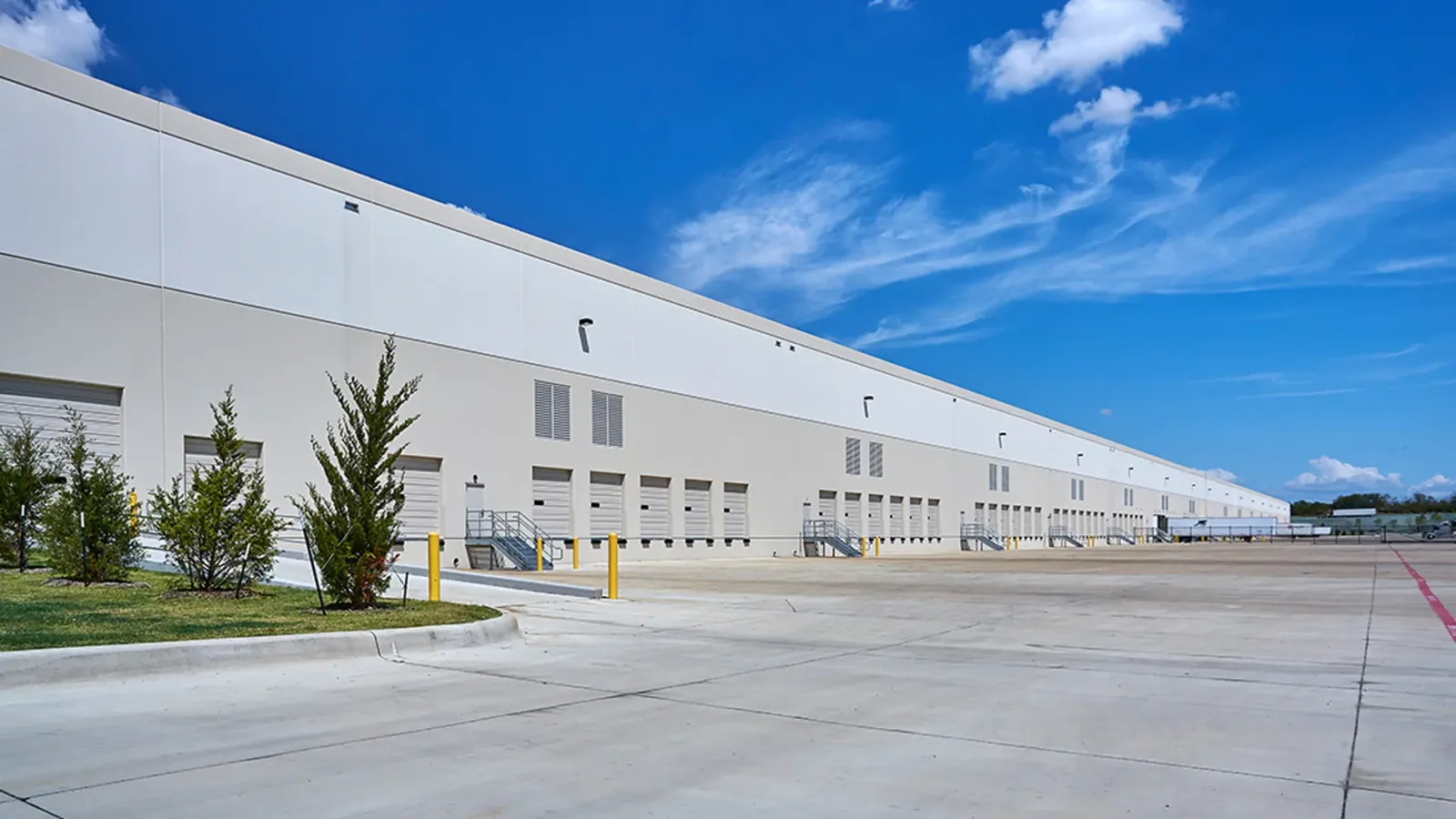
Property Types We Roof from Commercial Roofers Johns Creek.
We compare leak reports with roof plans and identify nearby skylights, rooftop units, pipe penetrations, exhaust points, parapets, and prior patches. A showroom may have a different ceiling and roof layout from a service wing or parts area, so we map those zones separately. Water can move along the deck before it appears inside. Photographs show the observed entry detail, and test cuts can confirm wet insulation if the assembly may have taken on moisture.
We also record access restrictions around rooftop equipment and any service route controlled by another vendor. A commercial roof inspection can capture the findings by zone, while an infrared moisture survey may help select areas for direct testing. The report should say which surfaces were reached and whether inventory, lifts, or rooftop equipment limited access. We also ask whether a unit replacement, roof-mounted sign, or recent duct change appears in the maintenance record. Those details help distinguish a new penetration from an older membrane issue. Where the roofing contractor and equipment vendor share work, we document who disconnects, resets, and seals each assembly so the finished curb can be checked before the bay returns to normal service.
How can roof work fit around sales and service?
Customer entrances, test-drive routes, vehicle delivery, service appointments, parts receiving, and technician movement all affect staging. We coordinate the work window with dealership management and identify which parking row, bay, or entrance may be restricted. If a lift or material truck must use the service drive, the sequence states when that access is needed and when it will be restored. Roof removal is limited to an area the crew can close and protect within the shift.
Medlock Crossing is a commercial node at State Bridge and Medlock Bridge roads, while Johns Creek Town Center is adding a separate mix of retail, restaurants, offices, and housing. That regional activity makes visitor movement relevant, but it does not set dealership hours or delivery routines. We confirm actual traffic and service schedules with the site contact. A phased roof project can identify daily limits, vehicle protection, and a clear handoff before the sales or service area reopens. A work schedule can separate quieter inspection and prep from cutting, fastening, or tear-off that may be noticeable inside. If customer vehicles need to be moved, the manager identifies the rows before mobilization and confirms when they can be used again. The crew should not stage equipment where it blocks fire access, vehicle movement, or the route to the parts department. For a dealership with a public event or manufacturer visit on the calendar, management can flag the date before the work sequence is finalized. We can then identify an alternate staging day or divide the job into smaller roof zones.
When is a repair still the right scope?
A failed curb, isolated puncture, or open seam can be repaired if adjacent membrane and attachment are stable. Multiple leaks, wet insulation across adjoining zones, or damaged deck may justify a broader replacement assessment. We show tested areas separately from assumptions, then explain what concealed conditions could change the estimate. The owner can compare a limited repair with a larger scope without treating every roof zone as equally deteriorated.
If water threatens vehicles, electronics, or a service bay, temporary protection may be needed promptly. If a service bay or vehicle is exposed, set an interim protection boundary and identify the roof condition that remains unresolved. We document whether a cover is temporary and what permanent detail remains for repair. A dealer roof emergency visit can help protect the affected area while a full inspection confirms the source and repair boundary.
What can drainage do to a display or service area?
We check roof drains, scuppers, gutters, overflows, and low points, then trace where runoff discharges at ground level. A blocked strainer can be cleared if obstruction is the cause, but a depressed deck or failed drain flashing needs another correction. Water should not be redirected toward vehicle inventory, customer parking, or a service entrance during repair. A drain and scupper repair can be coordinated with roof membrane work when the findings support it.
A storm inspection begins at the reported bay or showroom zone. We look for panel movement, punctures, displaced flashing, or a new interior path and photograph each confirmed finding. The weather report may help set urgency, but it cannot show whether a roof detail at the dealership has failed.
What should the dealership keep after completion?
The closeout should identify the roof zones inspected, repairs completed, materials used, photos, test points, and any deferred item. We note which service bays, customer paths, or parking rows were affected and whether a temporary condition remains. If rooftop equipment belongs to another vendor, the record identifies that coordination boundary. This helps a later service call avoid disturbing a newly repaired curb or membrane transition.
North Point near GA 400 is a regional Alpharetta activity center, while Medlock Crossing lies at the State Bridge and Medlock Bridge intersection in Johns Creek. These commercial locations provide regional context, not a finding about any dealership roof. A roof condition report can support future budgeting. For separate sites, compare the access needs of a large retail building or flex facility without combining their findings. Properties around North Point can arrange inspection access around actual customer operations. If an estimate includes several roof zones, a comparison table can separate repair, recover, and replacement assumptions by area. We list what was measured, what remains hidden, and any information needed from the equipment vendor. That gives the owner a clear next decision instead of a broad recommendation unsupported by the inspection record. The dealership can retain the annotated roof plan with its service and inspection history. Store images where the facilities team can retrieve them. We can also note whether the inspection took place during active service, whether units were operating, and which roof areas were concealed behind equipment. Those conditions define the limits of the observation and help schedule another visit if a mechanical shutdown or roof access window is required.
Commercial Roofing Questions
Can repairs be done without closing the service department?
The location of the roof zone, required access, noise, and interior protection determine whether the bays can remain open. We define the daily work area with management and state any vehicle or access restriction in the plan.
How do you protect vehicles below an active roof repair?
The dealership identifies inventory and traffic lanes near the work. We coordinate lift placement, barriers, and any interior protection, then limit open roof area to what can be secured within the work window.
What if the leak appears after rooftop equipment service?
We inspect the curb, supports, and membrane transition, then record which party controls any mechanical reconnection. The roofing scope addresses the membrane detail and names any handoff needed before closeout.
Can a roof report support multiple dealership locations?
A portfolio view can summarize timing, but each site needs its own roof plan, observed conditions, and photos. We keep quantities and access assumptions attached to the specific building being inspected.
Back to Property Types We Roof, or request a roof assessment and call 555-555-5555.