
Commercial roofing in Johns Creek, GA
Repairs, replacement and maintenance
Big-Box Retail Roofing in Johns Creek, GA
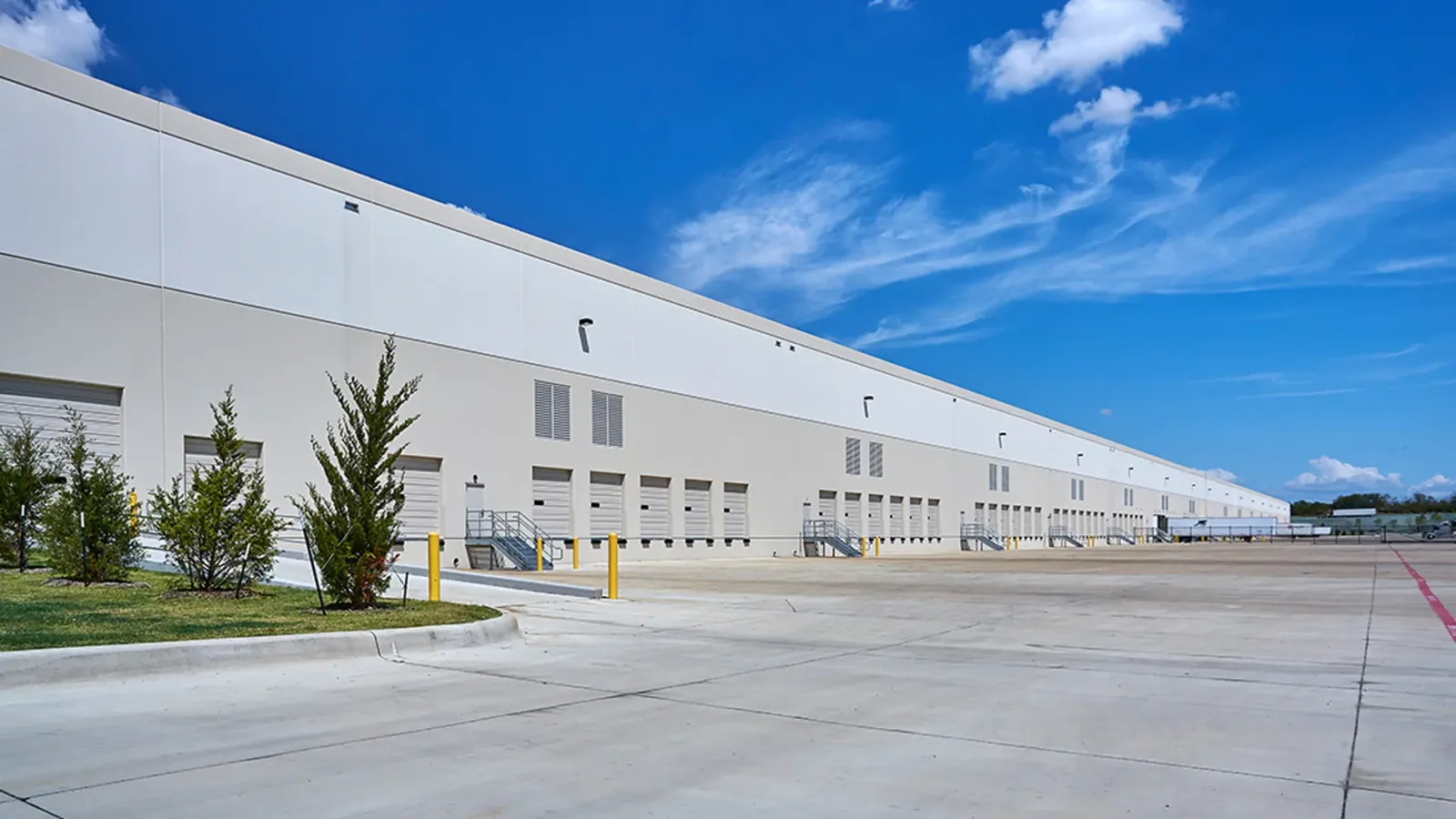
Plan big-box roof repairs in Johns Creek around store hours, receiving docks, high-bay interiors, HVAC units, drainage, and safe work zones.
Can the leak be corrected without blocking the sales floor or receiving dock? Big-box retail roofing needs a roof-zone map connected to store operations, inventory, HVAC access, and the interior area below each opening. We inspect the reported condition, trace the drain path, and document where a repair can stop. Medlock Crossing sits at State Bridge Road and Medlock Bridge Road in Johns Creek, within a commercial node with retail and redevelopment activity. That corridor is useful context for customer access, but the roof and operating schedule at each store must be checked individually.
Which roof areas affect the store?
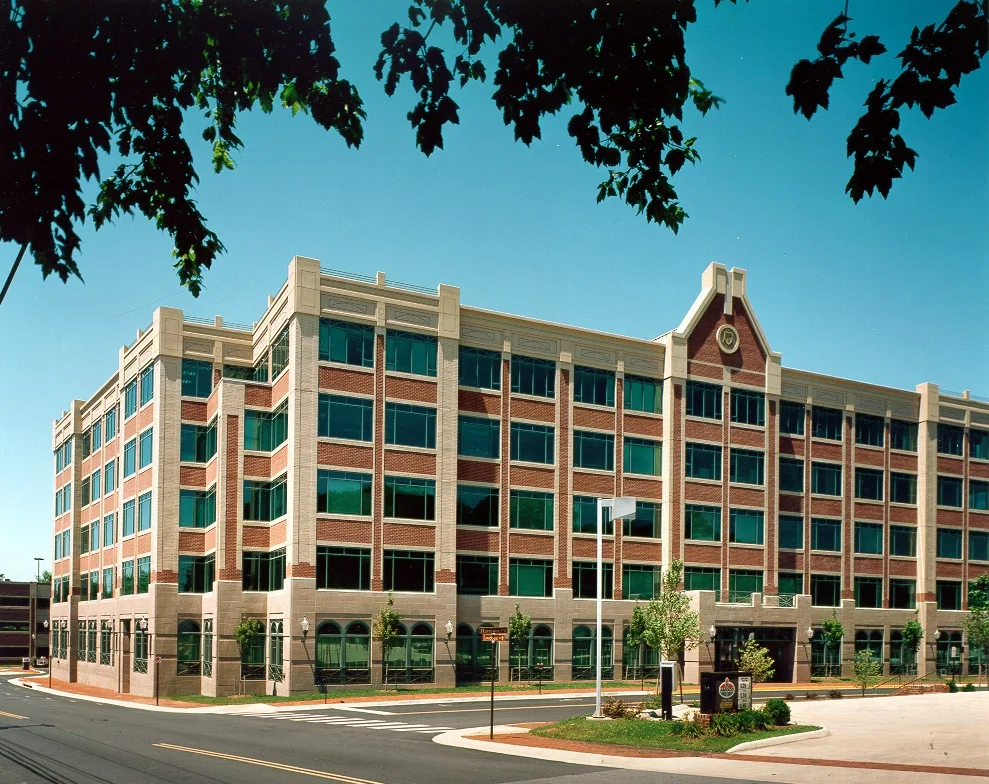
Property Types We Roof from Commercial Roofers Johns Creek.
We match the leak report to a roof plan and interior layout, then inspect nearby seams, penetrations, drains, skylights, rooftop units, and previous repairs. A broad sales floor can make the interior impact larger than the visible roof defect, while back-of-house areas may have separate drainage or equipment routes. We mark each location and identify whether moisture testing is needed before an estimate includes insulation or deck work.
Store managers can identify checkout, stock, pharmacy, service-counter, or receiving areas that need protection, but we confirm the actual use before work. An inspection and roof map can document accessible zones and blocked areas. For moisture below the membrane, a moisture survey can direct test cuts; it does not by itself confirm wet insulation or the repair quantity. A test opening should be located with the store contact so merchandise can be shifted and the interior work zone controlled before removal starts.
How do you keep the store operating?
We coordinate customer entrances, delivery windows, overnight stocking, parking, lift locations, and roof access with the store and property contacts. The crew stages material outside fire lanes and receiving routes, then works in sections that can be secured before trading hours. If a temporary closure or aisle protection is required below, the scope names the area and duration. The daily plan includes a contact who can approve a change if weather or tear-off alters the schedule.
Johns Creek Town Center is planned for retail alongside office, hospitality, and housing. That development mix makes coordination around visitors and deliveries relevant in the area, but it does not set operating hours for an individual store. We confirm the store's calendar. A phased retail reroof plan can record loading access, noise limits, temporary protection, and reopening checks so the team below knows when each zone is clear.
What should happen at drains and parapets?
Long roof runs can carry water toward interior drains, scuppers, or perimeter gutters. We inspect strainers, overflow routes, low points, parapet flashings, and the roof transitions around equipment. If a drain is blocked, clearing may help, but it will not correct a depressed deck or failed flashing. The report identifies the source of ponding where confirmed and states whether a slope correction or membrane repair is a separate item.
Atlanta climate normals show rain in every month, so outlet function matters in ordinary maintenance as well as storm response. A blocked overflow near a high-value sales or stock area can change the interior risk. The manager can identify which space lies below the outlet and where water discharge would affect customers. A drain and scupper repair can be coordinated with membrane work, with temporary routing included if an outlet must be taken offline.
When does a repair become a replacement?
A localized puncture, seam opening, or curb failure may be repairable when the surrounding assembly is dry and stable. Several leaks, widespread wet insulation, failing attachment, or deck damage can call for a replacement review. We distinguish verified areas from sections that have not been opened, then show the repair limit on the roof plan. Pricing identifies access, equipment coordination, disposal, insulation, interior protection, and any allowance for concealed conditions. For a larger reroof, the plan should name which entrances remain open and where the crew will lift old material, because deliveries and customer paths can cross the same side of a store.
Medlock Crossing is a Johns Creek shopping center at the State Bridge and Medlock Bridge intersection. Retail properties in that commercial node may include different tenant layouts and delivery patterns, but that does not establish the condition of any big-box roof. A shopping-center roof assessment can address shared tenant bays; a warehouse roof survey focuses on storage and receiving operations. We keep the scope specific to the store being inspected.
What changes after wind or hail?
North and central Georgia can experience damaging thunderstorm winds, hail, and tornadoes. We inspect for observed panel movement, lifted edges, punctures, displaced flashing, and new interior water reports. The warning does not establish damage at a particular store. Photos show the observed condition and any area that could not be reached because of equipment, merchandise, or access restrictions.
Heat can affect safe work hours on a large exposed roof, while rain can reduce how much membrane the crew can open. Atlanta climate normals include hot days and precipitation throughout the year. We check actual conditions and limit work to an area that can be protected before the crew leaves. Protect the affected stock or sales area, document any temporary cover, and keep the unresolved roof source visible in the work file.
What should store operations receive?
Closeout should include the roof map, repaired details, photos, materials, test cuts, completed work zones, and any follow-up item. The store receives a notice about roof access, interior protection, and whether a piece of equipment remains under another trade's control. Where replacement work is phased, the record shows what section is finished and what remains scheduled. This helps prevent a temporary cover from being mistaken for the permanent membrane detail.
Send roof plans, leak locations, receiving hours, store access rules, and the project decision date. We will coordinate the work window, inspect the roof, and document what is confirmed before setting the scope. A roof condition report can support asset planning. Retailers near North Point and GA 400 can coordinate a site visit around customer access while keeping the roof findings building-specific.
Commercial Roofing Questions
Can roof work happen overnight at a big-box store?
An overnight window may fit when deliveries, staffing, lighting, access, and material requirements allow it. We set a daily closure point and confirm how the roof will be secured before morning operations resume. Weather and concealed damage can alter the schedule.
How do you protect stock during a roof repair?
We locate the work above the interior, agree on any temporary coverage or restricted aisle, and keep the open roof area within a manageable limit. The store contact identifies sensitive merchandise and receiving needs. Any interior protection is included in the written scope.
Will one leak require closing the sales floor?
Not automatically. We trace the water path, identify the room or aisle below, and coordinate the necessary protection with store management. If a section must be isolated, the plan describes its boundary and expected duration before work begins.
What if roof drains back up during business hours?
We check the outlet, overflow, low point, and nearby membrane to see whether the issue is blockage or a roof detail failure. Temporary measures can route water away from customers while a permanent scope is prepared. The store contact controls access to the affected interior and exterior route.
How do you compare big-box roofing bids?
Compare removal depth, system components, access and lift plans, store-hour assumptions, interior protection, drain work, and concealed-condition allowances. Each proposal should show the roof zones and daily stop point. We can mark our scope on the same plan used by the owner.
Back to Property Types We Roof, or request a roof assessment and call 555-555-5555.