
Commercial roofing in Johns Creek, GA
Repairs, replacement and maintenance
Solar-Ready Commercial Roofing in Johns Creek, GA
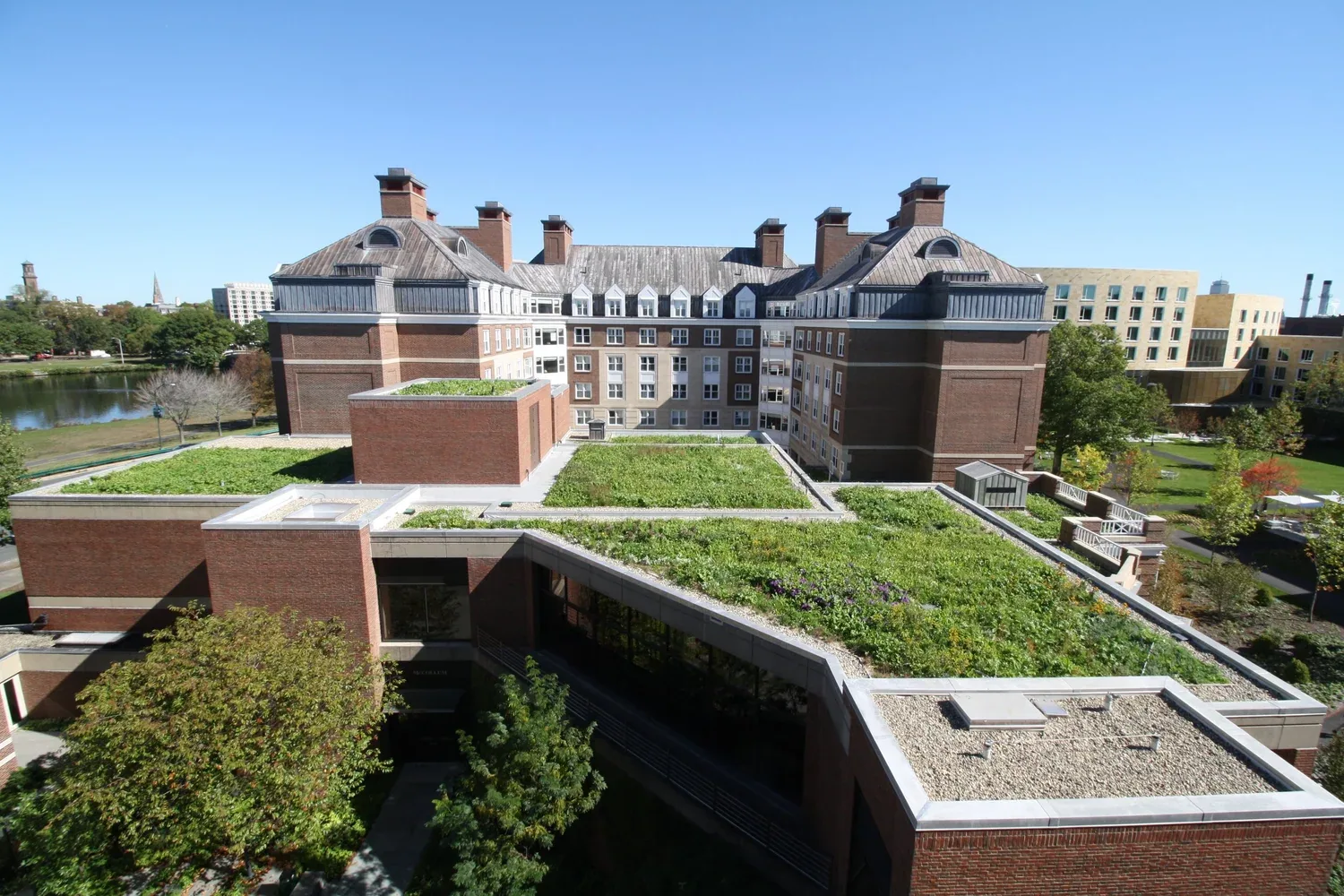
Prepare commercial roofs in Johns Creek for solar with condition review, attachment planning, flashing coordination, and a defined path for future roof work.
Will the roof remain serviceable through the planned solar system’s operating period? That question belongs before panel layout, attachment, and electrical work are finalized. We inspect the roof, document its condition, identify repairs, and coordinate the roofing details with the solar designer and structural engineer. A solar-ready scope does not mean the roofer designs the array or certifies the deck. It establishes where roof work and future attachments can be coordinated without concealing unresolved defects. For a Johns Creek building, the plan should match the actual roof assembly, service access, and expected construction sequence.
What should be reviewed before solar layout?
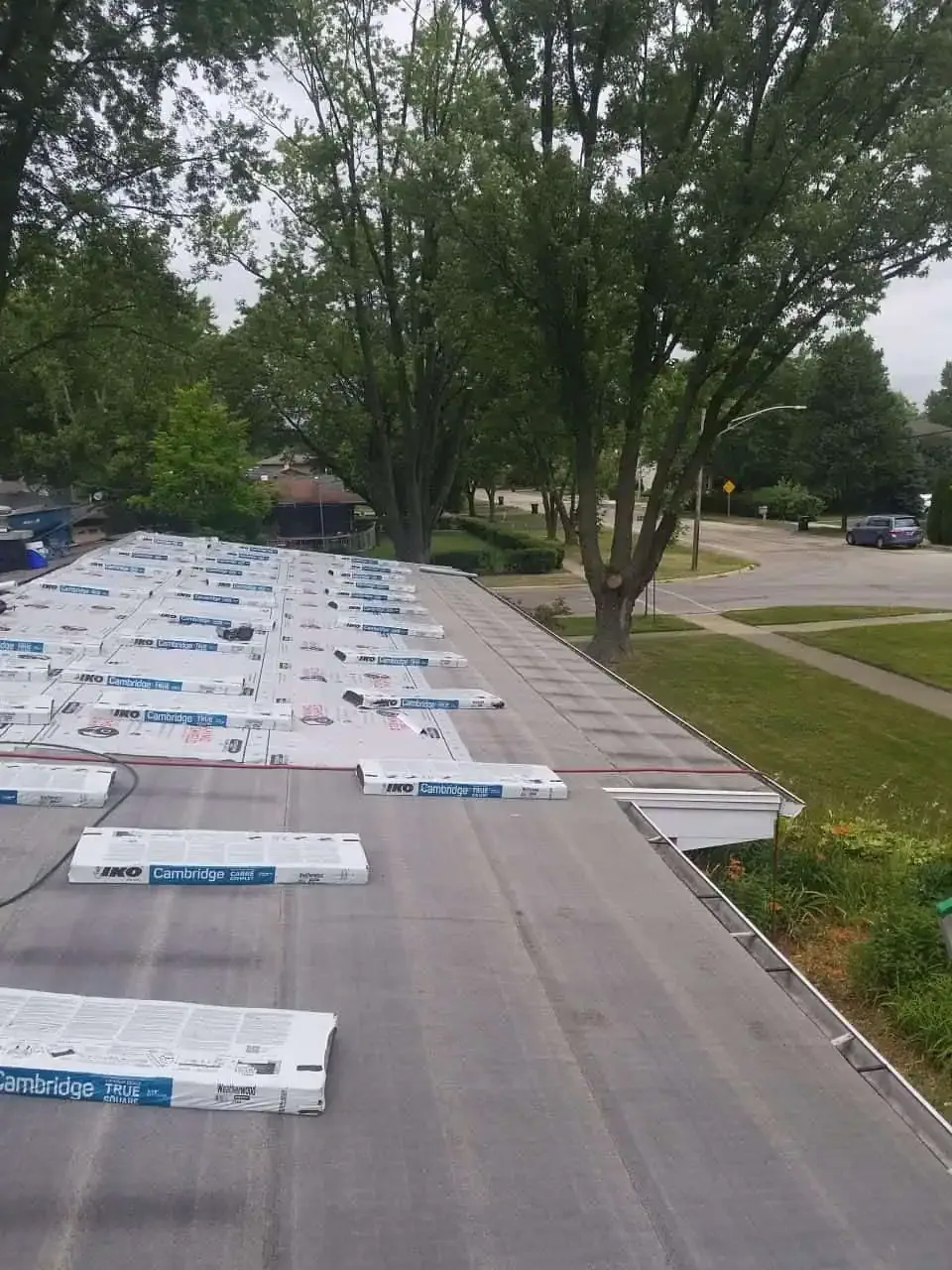
Commercial Roofing Services from Commercial Roofers Johns Creek.
We inspect membrane seams, penetrations, flashings, drains, edges, insulation, and previous repairs. Wet insulation or an active leak should be addressed before equipment blocks roof access. A test cut can confirm the assembly at a selected point; the engineer reviews deck capacity and attachment loads. We mark roof zones needing repair, replacement, or further testing so the solar layout can account for those areas.
Remaining roof condition matters because later service can require panel or rack removal. We do not assign a service-life promise based on a visual scan. The report describes observed condition, areas tested, and any assumptions about concealed materials. A roof inspection can establish a photo-backed record before solar design is fixed. If broad deterioration is present, replacement before array installation may avoid moving an array later to access the roof surface.
How do roof and solar plans fit together?
The roofing scope should identify membrane type, attachment, flashing, walkways, drains, and the areas reserved for access. The solar drawing should show panel rows, rack supports, wire routes, inverters, and any planned roof penetrations. The structural engineer determines whether the deck and framing support the system. The roofer coordinates watertight details and the solar installer handles electrical connections and array work under its scope.
Penetrations need a compatible flashing detail and enough clearance for installation and future service. Ballasted layouts can still affect drainage, walkway access, and wind exposure. We review those interfaces before material is placed, but the system designer remains responsible for the array configuration. A roof support and curb review can identify conflicts around existing equipment. If insulation or slope changes are planned, a roof build-up plan should be coordinated with the rack heights and drain elevations.
Where can roof attachments create risk?
Each attachment creates a transition through or above the roofing system. We check the proposed locations against seams, drainage paths, perimeter zones, curbs, and existing patches. A fastener or post installed through a membrane needs a designed flashing assembly compatible with that roof. Do not place an attachment over a known leak or untested wet zone and assume the array will protect it.
We mark proposed points on the roof plan and confirm the installation sequence with the solar contractor. If an attachment conflicts with a seam or drain, the layout may need adjustment before roof work. During construction, the owner should know which party handles penetrations, flashings, ballast, equipment protection, and final inspection. Our penetration flashing work can address the roof-side transition where it is in the agreed scope. The closeout shows which attachments were integrated and which remain outside our work.
How do Johns Creek buildings shape coordination?
Johns Creek’s commercial stock includes office, retail, industrial, healthcare, and life-sciences properties. Those uses can have different rooftop equipment, access requirements, and operating constraints. Emory Johns Creek Hospital is a major healthcare campus in Technology Park; its presence describes the local institutional market, not a roof configuration for nearby buildings. We ask each property contact about roof access, equipment shutdowns, secure areas, and construction windows before fixing a schedule.
Johns Creek Town Center is planned as a mixed-use commercial district with offices, retail, hospitality, and housing. Construction on an occupied property in that broader area may require careful staging and communication with multiple tenants. The array design and roof plan still need to identify the exact building and zones. For buildings within Johns Creek Town Center, we can coordinate roof preparation around the approved site schedule and keep material handling away from active entrances where the property rules require it.
What belongs in the installation sequence?
Set the roofing scope before the solar crew begins attachment work. Complete repairs or replacement, verify dry-in, and document roof details that will sit under the array. The sequence should state who installs flashing, who protects finished membrane, and how penetrations are checked before they are covered by panels or racks. A pre-installation walk with the property contact and both trades can resolve conflicts while the roof remains accessible.
Weather and surface conditions set the roofing work window. Atlanta climate normals show rain throughout the year and many hot days; actual conditions determine whether materials can be bonded or exposed safely. The roofer and solar crew should not open more roof than can be protected and completed in that window. We document changes to panel locations or roof details and request owner approval when they alter the roofing scope. If the solar schedule shifts, the owner should review how long prepared areas remain exposed.
What should be retained for future service?
Keep the final roof plan with array layout, attachment points, flashing details, test-cut locations, pre-installation photos, and the name of each party responsible for later service. That file helps a future roof inspection distinguish original details from solar equipment. It also makes it easier to plan access if a leak or membrane repair occurs under the array.
Johns Creek’s business mix sits within a wider north metro market that includes Cumming, where commercial development includes highway-oriented districts along state routes. Each building still needs its own roof assessment and engineered solar design. A condition report can retain the roof-side findings with repairs and access limits. Send the roof plan, proposed array layout, structural review contact, access rules, and construction timeline. We will identify the roofing details that need resolution before the array makes them harder to reach.
Commercial Roofing Questions
Do you design or install the solar array?
Our scope covers the roof assembly, preparation, and watertight transitions assigned to the roofing trade. The solar designer and installer handle array configuration, electrical work, and their installation scope. The structural engineer reviews deck and framing capacity.
Should solar panels go on before the roof is replaced?
The roof condition and access needed for future replacement inform that sequence. We inspect and document the assembly before the array layout is finalized. If broad deterioration or wet insulation is present, replacement first may avoid removing solar equipment later.
Can a solar rack be installed over a roof seam?
The attachment location should be checked against the membrane system, seam, drainage, and flashing detail. The solar designer may move the support, or the roofing and engineering scopes may need an alternate detail. We record the approved attachment points before installation.
Who is responsible for flashing around solar attachments?
The project agreement should name the party that supplies and installs each roof penetration flashing. We coordinate the roof-side transition when that work is in our scope, while the solar contractor manages the array and electrical connections. The closeout record identifies completed work by trade.
What information should be shared between the roof and solar teams?
Share the roof plan, membrane type, repair history, test findings, array layout, support locations, equipment restrictions, and schedule. The parties can then resolve conflicts around drains, seams, walkways, and service clearances before panels limit roof access.
Back to Commercial Roofing Services, or request a roof assessment and call 555-555-5555.