
Commercial roofing in Johns Creek, GA
Repairs, replacement and maintenance
Commercial Roofing in Downtown Duluth and Parsons Alley, Duluth, GA
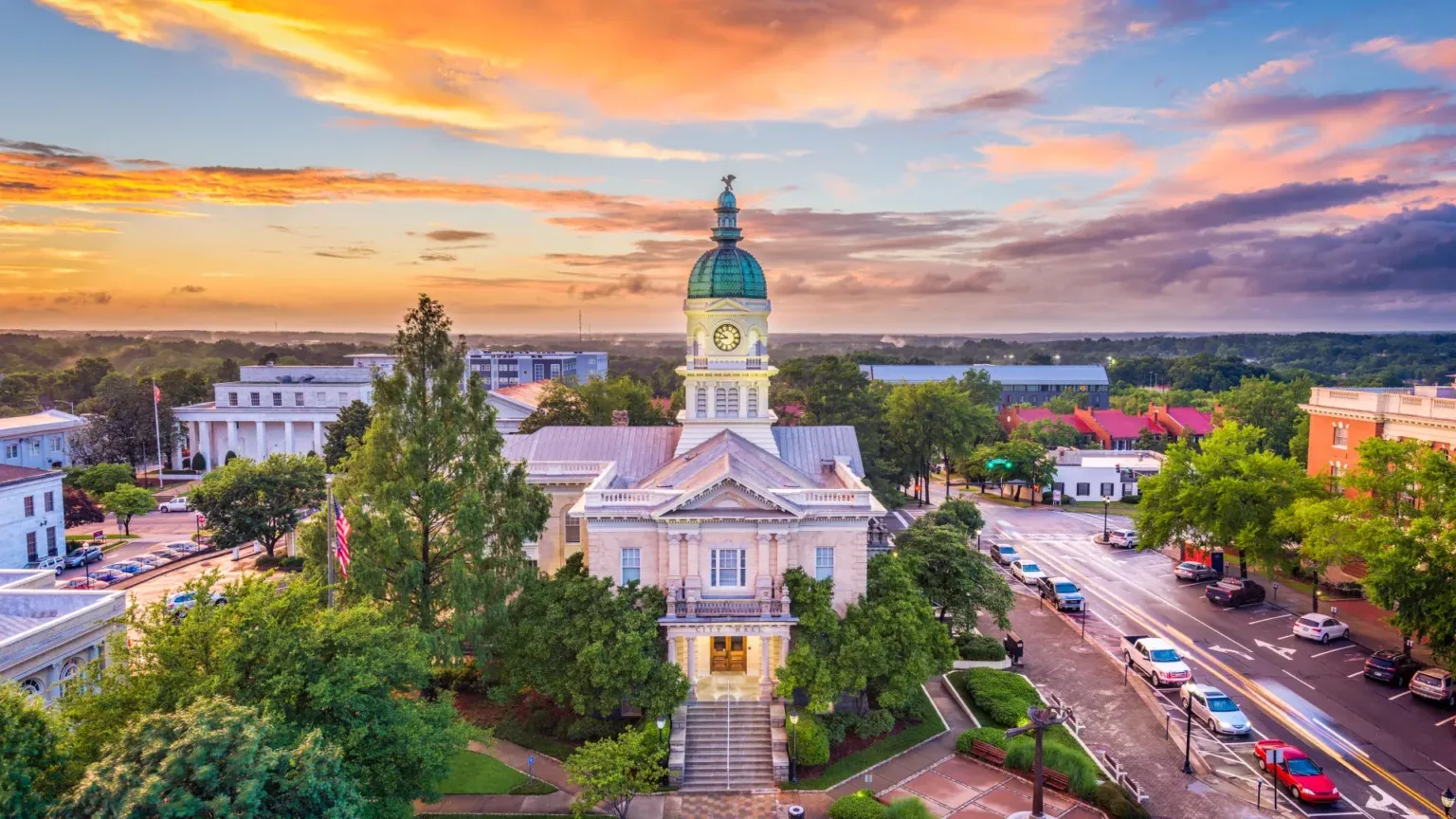
Commercial roof inspections and repair planning for Downtown Duluth and Parsons Alley, with property-specific access and documented repair scopes.
Is the reported leak over a street-level retail space, restaurant, civic area, or another downtown use in Duluth? The city's Historic Town Center includes a green, city facilities, and mixed-use buildings with retail below. Parsons Alley is another restaurant and retail district in the downtown redevelopment area. These contexts help frame access and occupancy needs, but they do not establish a building's roof system or condition. We inspect the specific property and record what supports the next step.
What should be arranged before a downtown roof visit?
Service Areas from Commercial Roofers Johns Creek.
Identify the building, roof hatch, reported interior area, contact with access authority, and any loading or pedestrian restrictions. Downtown's central business district includes retail, civic, financial, and professional activity under city land-use definitions. If the visit crosses a town green, sidewalk, or shared public route, confirm who approves barriers, lift placement, and delivery timing. District context does not grant roof access.
Send the roof plan, leak report, prior repair history, and any recent tenant or mechanical work. Inspect the field membrane or panels, parapet and wall transitions, seams, skylights, drains, curbs, and earlier patches near the affected zone. A ceiling mark may appear away from the source, so compare it with the plan and follow the supported water path. A commercial roof inspection can establish what was observed and what remains inaccessible or untested.
Retail at street level creates a practical coordination issue: material and debris routes may cross public space or an active customer entrance. The property manager should set the work window, tenant notification, lift location, and end-of-day route restoration. If a restaurant has exhaust or make-up air equipment, identify its operator and whether any shutdown is permitted before a curb or flashing is opened.
Parsons Alley restaurants and shops operate within a broader downtown redevelopment area. A particular property may also have construction, event, or civic activity nearby. Confirm its current schedule directly with the site representative. A redevelopment label does not say whether a roof has been replaced, what material is installed, or which tenant controls the roof hatch.
Which findings should the report separate?
Inspect seams, flashing, drains, edge metal, penetrations, rooftop equipment transitions, and interior reports. Record whether the detail is open, displaced, corroded, punctured, or only suspected. If water has traveled along a wall or below the membrane, show the evidence for that path and identify the next test. Photographs should include the detail and a reference to the roof zone.
Confirm the installed material and assembly from roof records or representative inspection. TPO or PVC welds, EPDM seams, metal panel laps, and built-up surfacing require different repair methods. If the system is unclear, avoid choosing materials by color or product name alone. An infrared moisture survey may help prioritize confirmation where wet insulation is suspected, but its limits belong in the report.
Downtown properties can include shared walls, canopies, and roof transitions between different uses. Where two buildings or tenants meet, identify which side controls the wall and who owns the flashing repair. If a test opening is required, document its location, layers found, moisture condition, and restoration detail. These specifics help a later contractor distinguish the original roof condition from work completed during the repair.
North and central Georgia can see damaging wind, hail, and tornadoes. After a storm report, check exposed corners, perimeter details, rooftop equipment, and new interior symptoms. A warning is not proof of damage at Parsons Alley or the Town Center. Record the reported date and separate observed impact from older maintenance concerns.
When should a roof repair be expanded?
A localized repair may be enough when the entry point is confirmed, surrounding material is stable, and a compatible tie-in can be made. Define the area, surface preparation, replacement material, flashing or seam detail, test method, access, and closeout photos. If removal may uncover wet insulation or a deteriorated deck, state the stop point and approval method before work begins.
Recurring leaks, broad seam weakness, multiple wet areas, or failed substrate may require a broader scope. A commercial repair scope can address confirmed defects; a replacement review should examine layers, deck, insulation, drainage, edge conditions, rooftop equipment, and access. Each option should identify the same building areas and exclusions so the property owner can compare them.
A recover or coating requires proof that the existing assembly can remain and accept another layer. Confirm moisture, attachment, adhesion, layer count, slope, and added height at drains and curbs. The city's downtown development or zoning plan is not a roofing assessment. Use the field record and project drawings to determine whether proposed work fits the building and permit requirements.
If the property stays open, sequence the work by roof section and protect the public route below. A phased occupied-building plan can establish noise limits, tenant notice, daily dry-in, and a named handback contact. For a restaurant exhaust or other active unit, assign the shutdown and restart responsibility before opening its curb flashing.
How should the work plan handle rain and heat?
Atlanta climate normals show precipitation in each month and many hot summer days. Those data describe Atlanta station conditions, not a particular Duluth roof. Check the actual surface, moisture, and product instructions before welding, coating, or using adhesive. The daily work boundary should end at a section that can be made weather-tight within the agreed window.
In a downtown setting, the temporary protection plan should also account for where water might discharge and which public or tenant route sits below. If rain interrupts removal, identify the cover, inspection contact, and return condition. Keep the interior manager informed about any temporary collection or ceiling protection without presenting it as a permanent fix.
A Duluth commercial property outside Parsons Alley may have highway or office-institutional access requirements. Work along the Peachtree Industrial corridor also needs its own building plan. Do not reuse this downtown staging plan at another property without confirming its entrance, roof route, and operating restrictions.
If another contractor handles rooftop equipment, signage, or a wall opening, name the responsible party and the completed handoff. The roof scope should show who restores flashing and who checks the finished detail. A record of the work boundary prevents a later leak from being blamed on a transition that was never part of the original repair.
What should stay with a downtown roof file?
Retain the property plan, roof photos, system identification, test locations, approved scope, materials, access restrictions, and completion record. Mark which area was inspected and which remained blocked. List temporary protection separately from permanent repair, with any open follow-up item and its owner.
A roof condition report can connect findings to roof zones and preserve inspection limits. A roof asset record can help facilities staff track inspection dates while keeping each downtown building's system and maintenance history separate.
Send the building identifier, reported leak, plan, repair history, access needs, and target date to arrange a review. We can document the confirmed condition and outline the repair or testing step that the evidence supports.
Commercial Roofing Questions
What should I provide for a Parsons Alley roof inspection?
Send the property name, roof plan, reported room or tenant area, repair history, and access contact. Include delivery, restaurant, or event restrictions that may affect staging or noise.
Does the downtown plan tell us which roof material is installed?
No. The land-use context describes the district, not an individual roof. Check project records and inspect the building before selecting a patch, coating, or replacement system.
How should roof work protect a street-level business?
Coordinate barriers, material routes, noise, tenant notice, debris handling, and daily dry-in with the property contact. The work plan should identify how public access is restored after each shift.
When is a small repair not enough?
If leaks recur, several details are failing, or testing finds wet insulation or damaged deck, compare a larger assembly review. Separate confirmed work from any concealed condition allowance before approving removal.
Back to Service Areas, or request a roof assessment and call 555-555-5555.