Commercial roofing in Johns Creek, GA
Repairs, replacement and maintenance
Military Hangar Roofing in Johns Creek, GA
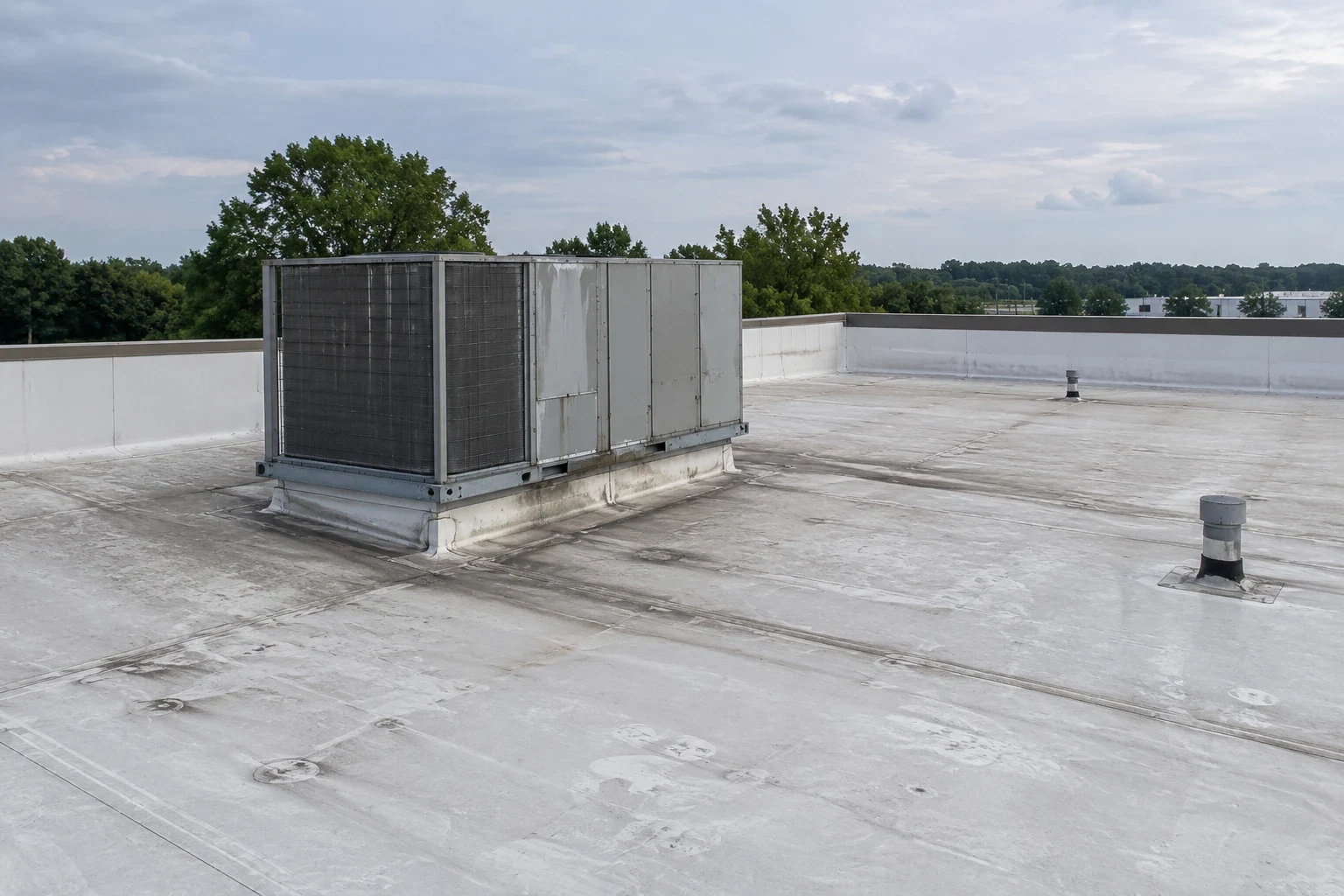
Military hangar and maintenance-facility roofing near Johns Creek, GA, with mission-aware access plans, metal-panel inspections, and repair records.
Has water reached a maintenance bay, aircraft support area, parts room, or adjoining office? Hangar roof work starts with the affected facility and its current mission schedule, then follows the report to a specific roof area. We inspect joints, fasteners, curbs, drainage, and prior repairs before setting a boundary. Dobbins Air Reserve Base southwest of Johns Creek hosts the 94th Airlift Wing and its C-130H3 fleet, with hangar and maintenance needs; the roof system and condition of each structure still must be verified in the field.
What does the inspection need to capture?
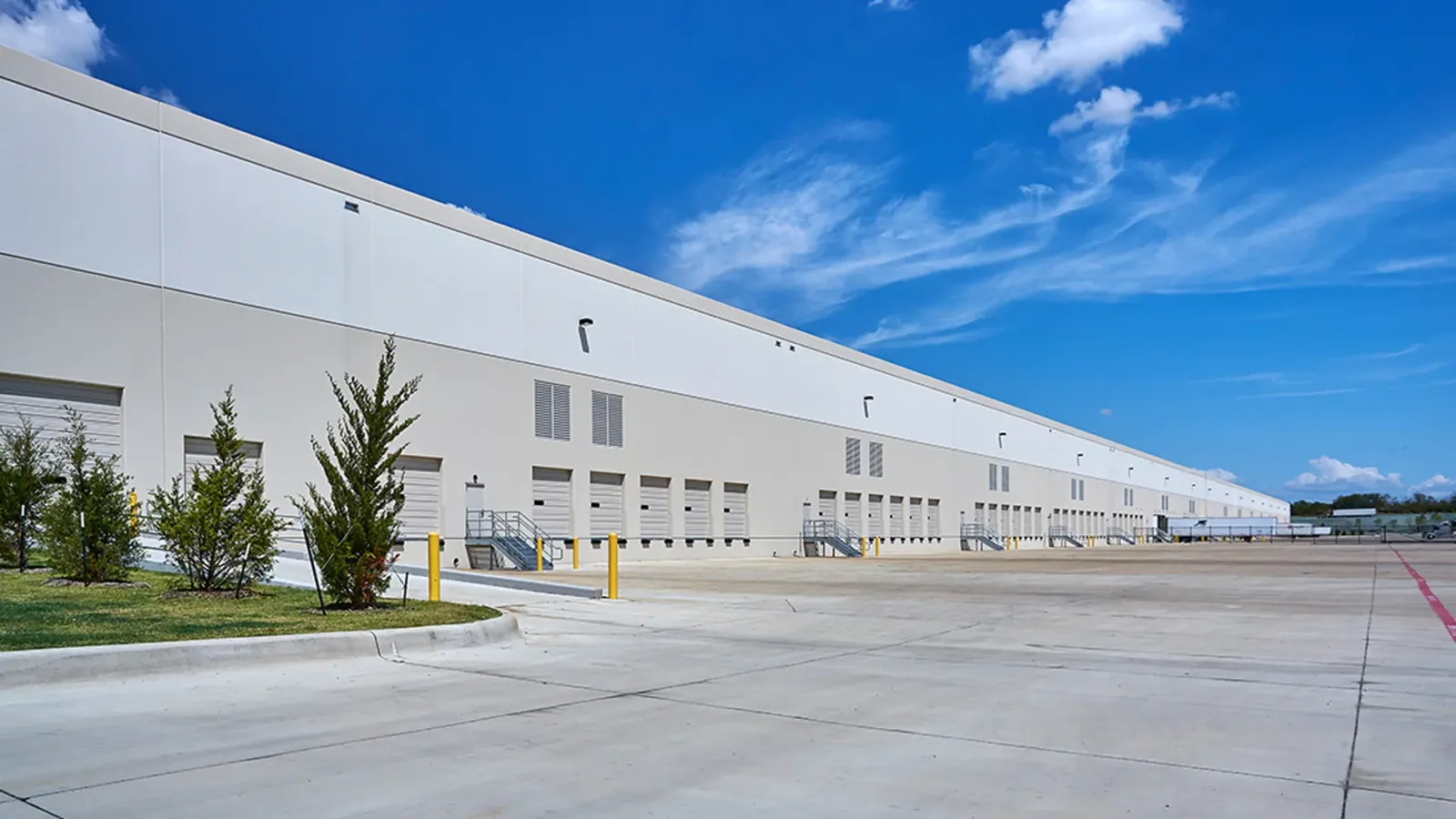
Property Types We Roof from Commercial Roofers Johns Creek.
We identify the building, roof plan, reported leak, and authorized path to the work area before the roof walk. Metal panel seams, fastener rows, ridge caps, eaves, wall joints, penetrations, and gutters receive a close look. A stain over the maintenance floor may sit downhill from the actual opening, so we compare interior observations with panel geometry and the roof drain path. Photographs locate confirmed defects; a test opening can show whether insulation or deck material is wet beneath the surface.
At Dobbins, aircraft hangar and maintenance requirements support an active flying mission. That context makes door clearances, floor activity, and equipment protection central to planning, but it does not establish a particular hangar's roof assembly. We inspect the actual panels and project drawings. A drone roof survey may document visible areas above high-clearance spaces, while close inspection confirms seams, fasteners, and transitions. If roof access is restricted, the report names the limit and the evidence still needed. We also map the panel direction and identify how the roof meets the hangar door head, end walls, and any adjoining low-slope connector. Large moving doors create a perimeter interface that needs its own inspection, including seals and nearby metal. We record whether the issue appears limited to flashing, extends into panel edges, or requires an operator or door vendor to inspect a separate assembly.
How can repairs fit around aircraft maintenance?
The work window should account for aircraft movement, large door operation, maintenance activity, tool staging, and any area that needs to stay clear. We coordinate entry, escort, badging, permit, and shutdown requirements with the authorized facility representative. The sequence identifies the roof sector, lift or fall-protection method, floor area below, and the point where work can be secured at shift end. If operations move, we stop at a protected boundary rather than leave an exposed panel joint.
Facility staff can identify periods when the bay floor is clear, maintenance equipment is moved, or the door is not in use. We do not assume those windows from the aircraft type. A military roofing plan can record coordination steps and inspection hold points. When specifications invoke Unified Facilities Criteria for roofing, we review the stated assembly and document any mismatch between field conditions and project drawings before proceeding.
What findings can justify panel replacement?
A single loose fastener, failed seal, or isolated flashing issue may have a local correction when adjacent panels and attachment remain sound. Multiple open joints, widespread corrosion, distorted panels, or recurring water entry at several bays may call for a larger repair or retrofit review. We document the affected run, panel condition, and nearby transitions rather than describing an entire roof as failed based on one defect. If concealed substrate damage is possible, the estimate states what testing or removal would confirm it. If a repair requires removal of an entire panel run, we describe how adjacent laps, clips, and edge fasteners will be handled. The facility can then review material availability, lift access, and mission downtime as separate schedule items. Where only a local seal correction is proposed, the report states how the detail will be monitored and what signs would prompt a broader inspection.
Metal movement, access equipment, panel profile, and interior clearance affect how the repair is installed and timed. We confirm compatible materials and fastening details against the existing assembly and project criteria. A standing-seam roof review can evaluate seams and clips if that system is present, while a civil aircraft hangar inspection has a separate operating context and should not be used as a substitute for military access planning.
How do storm and heat conditions affect hangars?
North Georgia storms can bring damaging wind, hail, and tornadoes. After a report, we inspect for panel movement, loosened fasteners, displaced edge details, punctures, and fresh water entry. A weather notice does not establish what happened to the hangar roof. If aircraft or maintenance operations limit access, we mark the section that remains unchecked and schedule a return when the facility approves entry.
Rain occurs in every month in the Atlanta climate record, and hot summer conditions can reduce safe rooftop work hours. Current wind, rain, and material limitations set the day's work area. Before removal, we confirm that temporary materials and tools can be secured and that any exposed transition can be closed at the agreed stop point. Where equipment must stay protected, agree on the approved access window and document open items before the hangar returns to service.
What should the maintenance file show?
Closeout should identify the hangar or maintenance facility, affected roof run, panel or flashing detail repaired, fasteners or materials installed, photographs, test findings, access procedures, and any deferred task. We note whether aircraft movement or equipment service restricted part of the inspection. If another trade must reset equipment or complete interior work, the handoff is listed so the roof repair is not mistaken for a finished mechanical task. A useful record can include the door position during inspection, the condition of seal interfaces, and any roof area blocked by suspended equipment. Those details help the next facilities team repeat the inspection from a comparable access position and identify whether a later leak is new or returning. Keep dated photos with the current roof plan.
Johns Creek Town Center is planned with office, housing, retail, hospitality, and public uses. Dobbins remains the nearby military installation context, with a different access and mission structure from commercial districts. A roof condition report can preserve photos and the panel-level repair record. If a project also includes an Air Force support building or an Army logistics facility, we keep its function, roof findings, and approvals separate. Johns Creek-area coordination can use Johns Creek Town Center as a local reference while installation access is handled through the approved contact.
Before the crew leaves, document the restored weather barrier and any area that requires a cleared return visit.
Commercial Roofing Questions
Can the hangar door operate during panel repairs?
We coordinate door use with the authorized facility contact and define a restricted period if overhead work or lift placement creates a conflict. The plan identifies the floor area below and the condition required before operations resume.
How do you check for damage above high-clearance bays?
We use the approved access method, photograph visible seams and fasteners, and inspect the reported panel run closely. Imagery helps document surfaces, but test openings or close inspection are needed to confirm concealed insulation or deck condition.
What roof records help with a maintenance project?
Current drawings, panel type, prior repairs, access rules, and project specifications help define the work. We add dated photos, locations, repairs, tests, and any access limit to the closeout record.
Can a local panel repair be completed before a larger retrofit?
We can scope an isolated correction when the surrounding panels and attachment support it. The proposal identifies any larger condition that remains outside the repair, so temporary stabilization is not presented as full roof renewal.
Back to Property Types We Roof, or request a roof assessment and call 555-555-5555.