
Commercial roofing in Johns Creek, GA
Repairs, replacement and maintenance
Aircraft Hangar Roofing in Johns Creek, GA
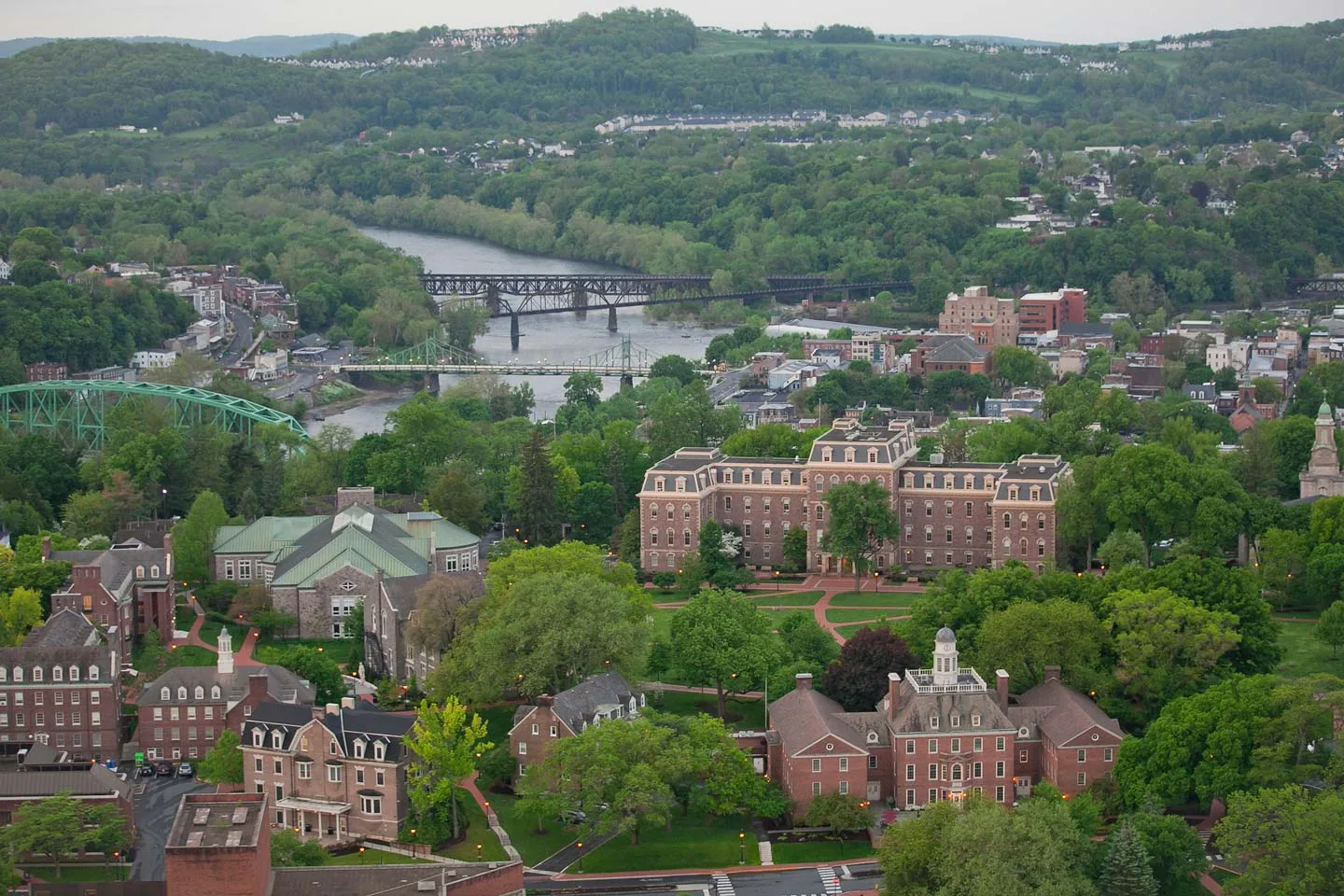
Aircraft hangar roof repair and replacement in Johns Creek, GA, with attention to large doors, equipment clearances, drainage, and access planning.
A hangar leak may appear by a door, maintenance bay, office, or equipment route. Hangar roofing begins with the roof section above the affected space and the operational limits below it. We inspect seams, fasteners, edge details, penetrations, and drainage before describing the repair boundary. Johns Creek Town Center and Technology Park sit within a commercial region with varied building types; a hangar requires its own clearances, access controls, and assembly review before a project schedule is prepared.
What roof details need direct inspection?
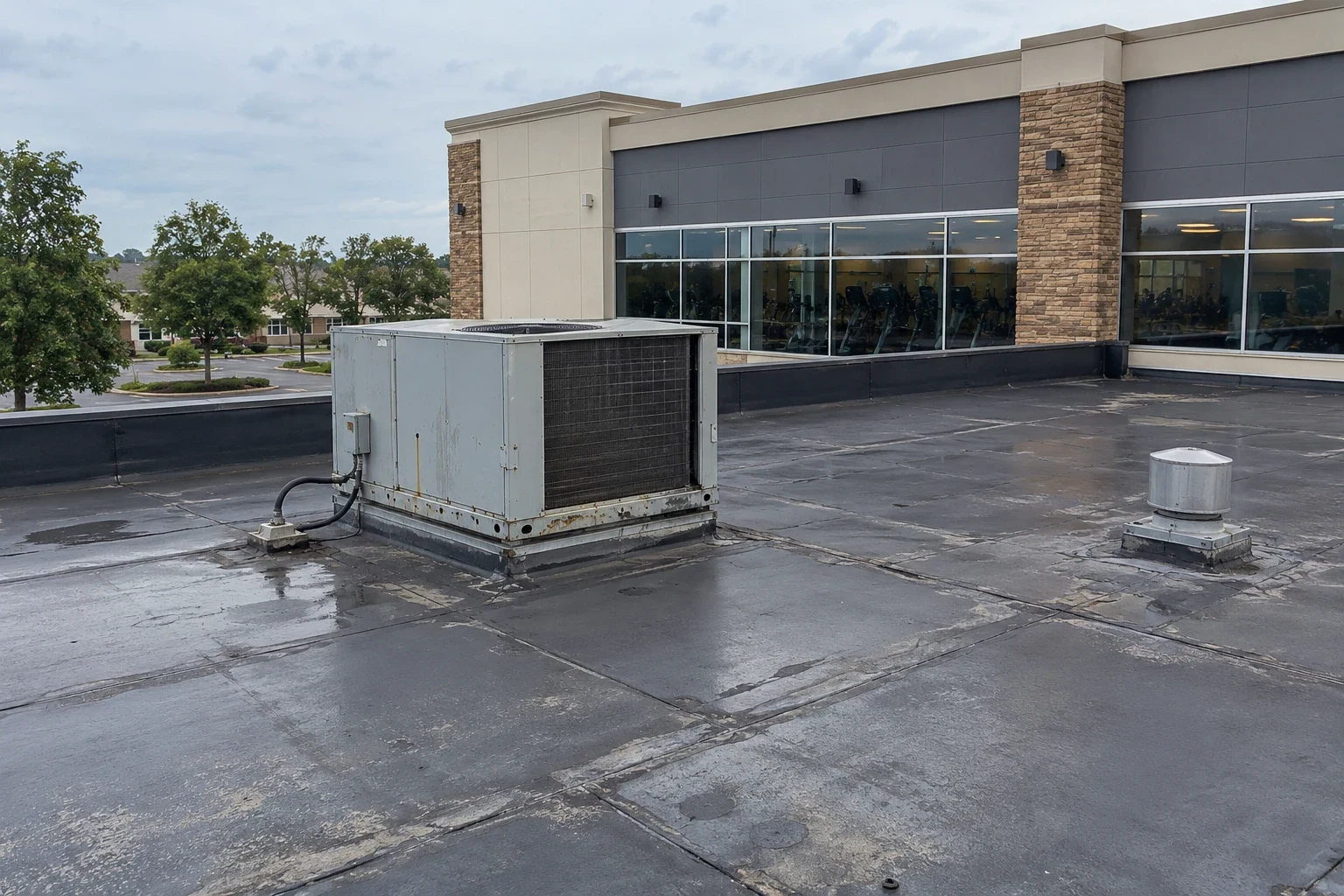
Property Types We Roof from Commercial Roofers Johns Creek.
We review the available roof plan, system history, leak report, and equipment locations, then inspect panel seams or membrane laps, ridge and eave transitions, curbs, penetrations, gutters, and downspouts. A broad-span structure can carry water along framing before it becomes visible below. We photograph the observed condition and note any section hidden by equipment or unreachable from approved access points. If moisture may have entered insulation or a deck assembly, a test opening can confirm that location.
Hangar doors and their tracks can limit where lifts, ladders, and materials may be positioned. The operator confirms door operation, aircraft or equipment movement, and any area that must remain clear. A commercial roof inspection can create a condition map, while a drone roof inspection may help document broad roof areas where safe ground-based viewing is limited. Direct testing is still needed where concealed material condition affects the scope. On metal roofs, we review panel laps, fastener lines, ridge caps, and transitions where thermal movement can stress a joint. Surface oxidation alone does not establish that a panel has lost structural capacity, and a leak does not prove that every seam has failed. We document the exact defect, note adjacent areas that appear sound, and flag any panel section that requires a separate engineering review before repair design is set.
How can the work area stay clear?
Before mobilization, we confirm whether aircraft, vehicles, or maintenance equipment will move through the hangar during the work. The plan identifies door clearance, roof access, staging, lift placement, restricted floor zones, and who can authorize an operational pause. If the roof must be opened, we limit exposure to what can be protected and closed within the shift. The closeout names which section is secure before a bay or access route returns to use.
Technology Park Johns Creek includes office, retail, industrial, and community uses near McGinnis Ferry and Medlock Bridge roads. That setting illustrates active commercial access, but does not establish hangar operations or rooftop conditions. We confirm the operator's actual schedule and safety boundaries. A phased reroof plan can state when doors or floor zones need to remain clear, how equipment movement is coordinated, and which contact receives a weather-related schedule update. Any work that affects door rails or perimeter framing should be sequenced with the operator before material arrives. We mark the area below the repair and verify that no equipment, aircraft, or vehicle crosses it while overhead work is active. If the bay has to remain open for a move, the schedule can divide roof work into sections and document each secure stop point.
When does a localized metal repair stop being enough?
A loose fastener, isolated seam opening, or damaged flashing can sometimes be corrected within a defined roof zone. Widespread corrosion, repeated leakage, failing panel attachment, or deterioration across multiple transitions can justify a retrofit or replacement review. We distinguish isolated observations from conditions found across the assembly, and identify what remains hidden. The proposal should state how access, temporary protection, panel removal, and concealed deck conditions affect the scope.
Emergency protection may be needed if water threatens avionics, stored equipment, or maintenance operations. Coordinate aircraft movement with the operations contact, secure temporary protection, and note when the roof zone can be reinspected. The urgent visit does not replace a full assembly check if the source remains uncertain. A hangar roof emergency response can stabilize immediate exposure while a permanent repair boundary is confirmed.
What do weather and runoff change?
We inspect gutters, downspouts, scuppers, roof drains, overflows, and the path from each roof low point to its outlet. A blockage, failed joint, or undersized connection can have a different correction from a sagging panel or membrane defect. The report notes where water was found and whether discharge could reach a door track, apron, or service route. A drainage repair can be scheduled with roof work if the inspection confirms both conditions.
Atlanta climate normals include rain in every month and hot summer conditions; the wider north Georgia region also sees thunderstorm wind, hail, and tornado risk. Those facts inform work windows but do not establish damage at one hangar. We inspect for actual loose panels, open joints, punctures, and new interior water reports. The operator's door schedule and current wind or rain conditions determine how much work can proceed safely on a given shift. The plan also records where temporary material will be secured and how runoff will be directed before the roofing crew leaves the site.
What should the operator receive?
Closeout should identify roof sections inspected, panel or membrane details repaired, material and attachment information, photographs, test locations, access limits, and any follow-up. We note whether any cover remains temporary and whether a vendor must finish equipment work before the roof detail is complete. The facility should be able to distinguish a verified repair from an inaccessible zone or a deferred replacement decision. Store the record with the permanent maintenance file.
Johns Creek Town Center is planned with residential, office, retail, and hospitality uses, and Medlock Crossing sits at the State Bridge and Medlock Bridge commercial node. These local places supply regional context only; they do not tell us a hangar's system or condition. A roof condition report can preserve project findings. If the portfolio includes warehouse roofs or a military maintenance hangar, we keep the operational and access requirements specific to each property. Operators near Medlock Bridge Road near Medlock Crossing can coordinate inspection access around their actual work schedule. The final record should also include the approved access method and any restriction on rooftop equipment service. Where a panel was removed, photographs should show the repaired edge and its tie-in to adjacent material. If further testing is recommended, list the suspected area and what result would change the decision, so the operator can plan a follow-up without treating an untested section as confirmed damage.
Commercial Roofing Questions
Can the hangar door remain in use during roof repairs?
We review lift position, active overhead work, and the clearance needed below before setting the work window. The operator confirms when the door can move, and the daily plan identifies any restricted period.
How do you inspect roof panels over a wide span?
We use the approved access method to review seams, fasteners, edge conditions, and visible interior evidence. Drone imagery can document broad areas, while close inspection or test openings confirm details that cannot be established from imagery alone.
What should be checked after severe weather?
We inspect for actual panel movement, opened seams, displaced edge metal, punctures, and water entry. The report records what was reached and separates observed damage from any section that remains inaccessible.
Can a hangar roof be coated instead of replaced?
A coating may be considered only after we inspect the substrate, corrosion, attachment, slope, and drainage. Adhesion and material compatibility need to be checked, then coating can be compared with repair, retrofit, or replacement using the assembly findings.
Back to Property Types We Roof, or request a roof assessment and call 555-555-5555.