Commercial roofing in Johns Creek, GA
Repairs, replacement and maintenance
Hotel Roofing in Johns Creek, GA
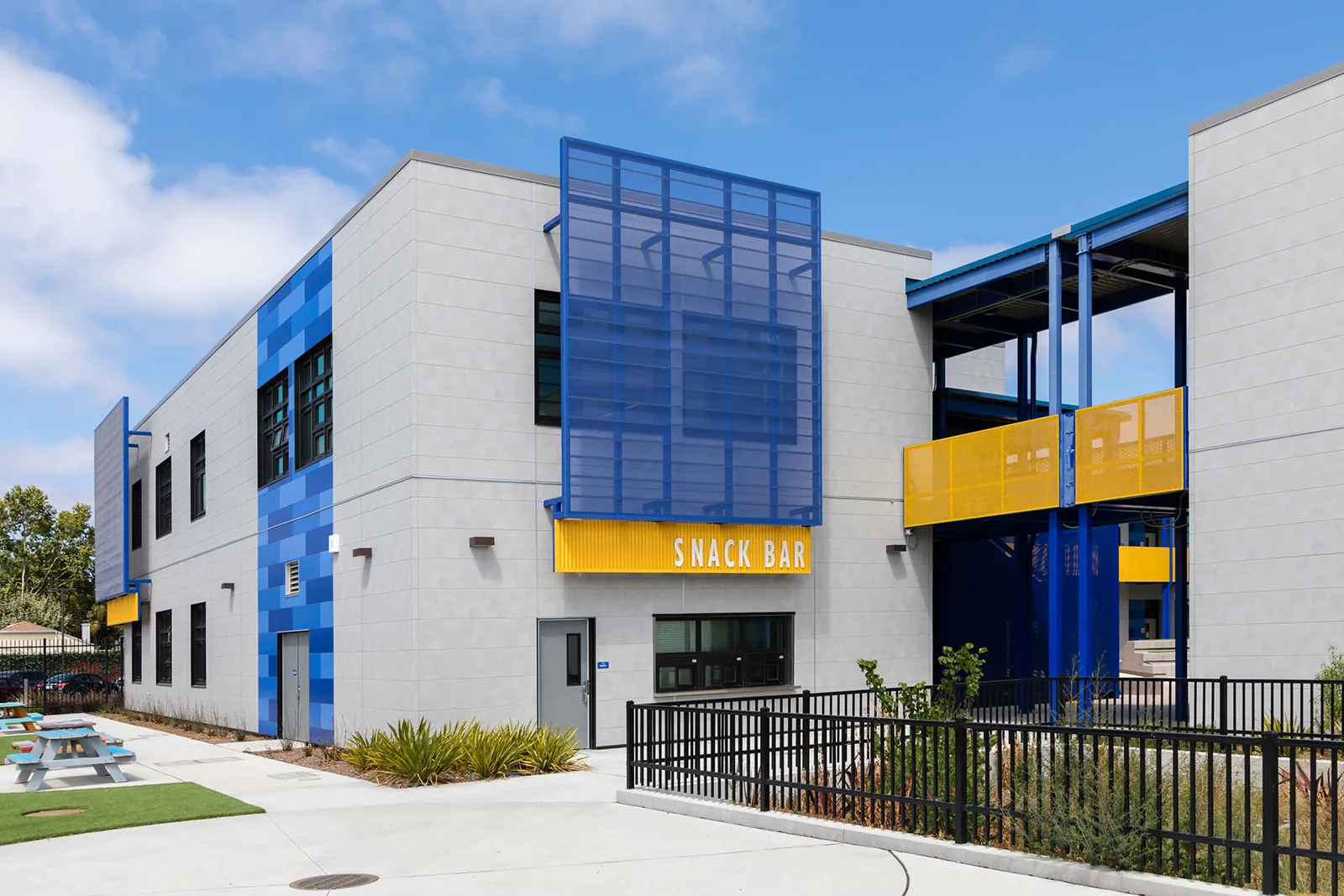
Hotel roof repairs and replacement in Johns Creek, GA, planned around guest access, rooftop equipment, drainage, and confirmed roof conditions.
Does the leak sit over a guest room, kitchen, meeting space, or mechanical area? Hotel roofing starts by tying the reported water to the roof zone above it, then checking the curb, seam, drain path, and interior evidence. We document what is confirmed before choosing a repair boundary. Suwanee Gateway, east of Johns Creek around I-85 Exit 111, includes a hotel presence alongside industrial, office, and retail property; each lodging building still needs its own roof survey and guest-protection plan.
What has to be inspected before the room is taken offline?
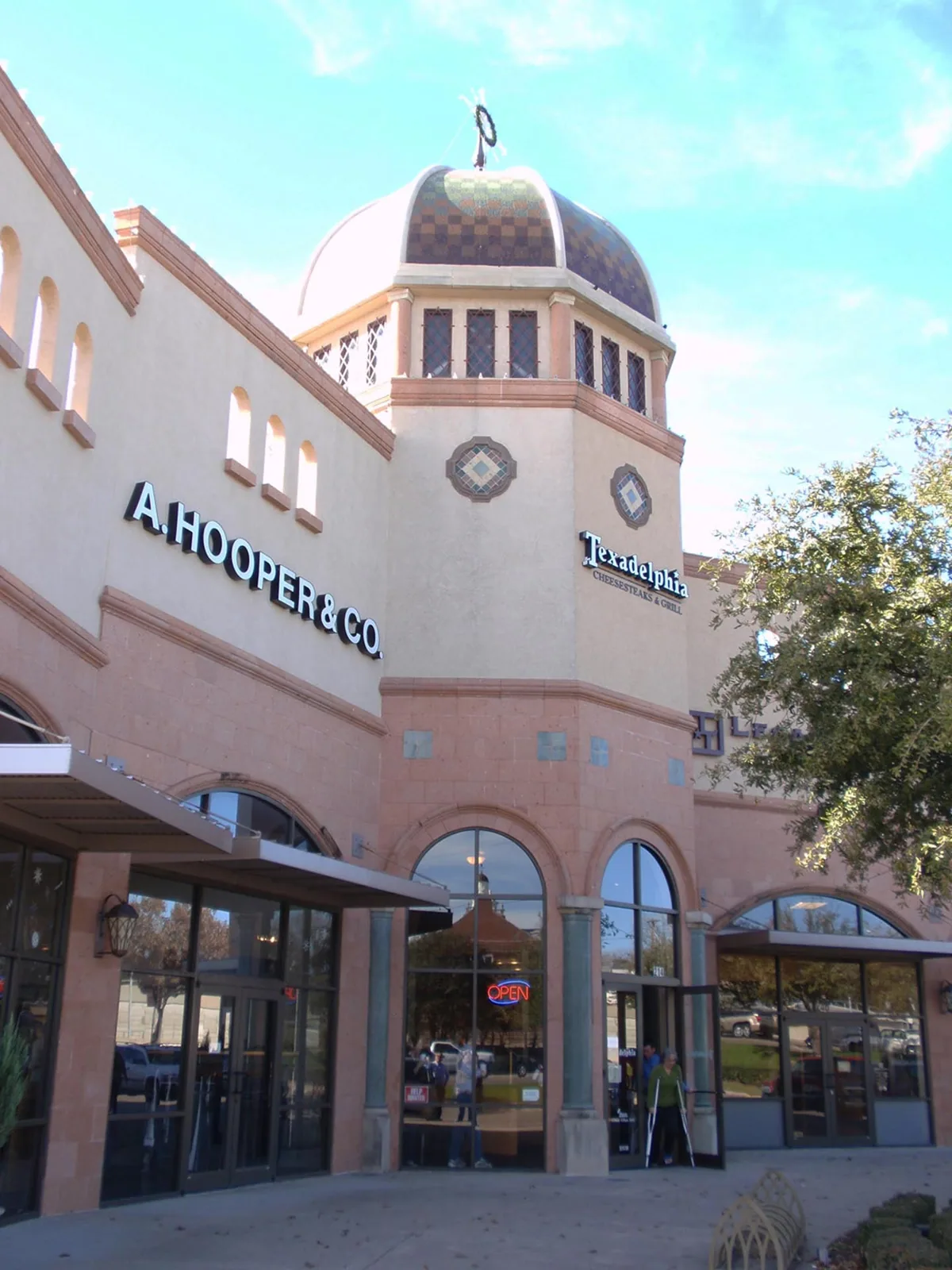
Property Types We Roof from Commercial Roofers Johns Creek.
We match the room number or public area to the roof plan, then inspect the membrane and nearby transitions. Plumbing vents, exhaust fans, rooftop units, parapets, skylights, and past patches can all sit within the water path. A stain alone does not establish which detail failed or how far moisture traveled. We photograph the observed condition and identify any area that requires a test cut or infrared survey before the estimate includes insulation or deck work.
Hotel roofs often carry equipment that remains in service while rooms turn over. The facilities contact can identify restricted spaces, scheduled maintenance, and equipment that cannot be shut down without coordination. We record roof access limits and note which parts of the assembly could not be reached. A commercial roof inspection can establish a building-level record, while an infrared moisture survey can help target test locations where moisture is suspected below the membrane. The survey does not replace a test cut when the assembly must be opened to confirm wet insulation. The report should name the method used, the roof area checked, and any limits created by equipment or access. That distinction matters when the hotel is deciding whether to repair one detail or budget for a larger zone.
How can repairs avoid guest disruption?
The work plan starts with the affected floor, nearby guest rooms, public routes, service corridors, loading access, and quiet hours. We coordinate roof entry and material staging with hotel operations, then define whether a room needs to be held, protected, or returned to service after a specific check. If a roof section must be opened, the scope states the expected work window and how the area will be protected before the crew leaves.
Johns Creek Town Center is planned for a mix of office, retail, hospitality, and housing. That area-wide development context makes visitor movement and delivery access relevant to planning, but it does not dictate an individual hotel's schedule. We confirm actual events, check-in patterns, kitchen hours, and service routes with the property contact. A phased reroof sequence can set daily work limits, noise controls, temporary barriers, and the point at which a roof zone is safe to reopen. When roof work is above occupied rooms, we can also identify whether ceiling access is needed to protect finishes or verify that water has stopped. The hotel contact decides how room inventory is handled; our scope describes the roof work, expected noise, and any conditions that keep an area restricted.
When is a localized repair enough?
A split at one curb or a puncture in an otherwise stable membrane may have a defined repair limit. Several recurring leaks, wet insulation across adjoining zones, loose attachment, or damaged deck can change the scope. We separate the confirmed repair from areas that have not been tested, and we identify what would require a change order if removal exposes concealed deterioration. That lets the hotel compare a targeted correction with a broader replacement or recover review on the same evidence.
Guest impacts are part of that decision. Water over a corridor, banquet room, or occupied suite can call for temporary protection before a full estimate is ready. For guest areas, coordinate temporary protection with hotel operations and keep it distinct from repairs that require follow-up inspection. A urgent roof response should record the temporary measure separately from the permanent repair so the property knows what remains open. We also identify temporary materials that need a return visit and whether the roof can remain in service between that visit and permanent work. If water reached an interior finish, the hotel can coordinate its restoration separately after the roof entry point is corrected.
How do heat and storms affect the schedule?
Atlanta climate normals show precipitation in every month, hot summer days, and regular overnight freezes. Those conditions affect the available dry work window, handling of membrane materials, and how long an opened section can remain exposed. North and central Georgia can also see damaging thunderstorm wind and hail. A regional warning is context, not evidence of damage to a particular hotel; we inspect the roof, photograph any movement or impact found, and note areas that could not be accessed.
Hotels have a separate interior concern: a protected roof area may still sit above a guest or food-service space. We coordinate each temporary cover with the facilities team, keep drainage routes clear, and confirm that water is not being directed toward an entrance or loading area. For a property near Suwanee Gateway, the local commercial district's lodging and business uses make service access worth confirming, but the building's actual roof condition determines the repair.
What belongs in the hotel roof record?
Closeout should identify the inspected roof zones, repair locations, materials, photographs, test cuts, and any area left for follow-up. The record can note guest spaces or service routes affected, the temporary protection used, and whether another trade must finish an equipment or interior task. If the project is phased, the hotel should be able to tell which roof sections are complete and which remain under a temporary condition.
Send the roof plan, leak locations, room or public-area impacts, access rules, equipment schedule, and decision date. We will inspect the reported zones, document the findings, and prepare a scope that names the repair boundary and work window. A roof condition report can support the hotel's maintenance file. If the property also manages multifamily buildings in the area, separate roof records keep lodging operations distinct from residential access and notice requirements. For retail assets, an adjacent shopping-center roof plan can record shared circulation and storefront concerns, while the hotel file keeps its guest-space impacts attached to the right building.
Room closure decisions and interior restoration remain with hotel operations; the roof report should state only the conditions that support reopening.
Commercial Roofing Questions
Can a guest-room leak be repaired without closing the whole floor?
The affected room and route of the water decide the necessary restriction. We trace the roof condition, identify any interior protection needed, and coordinate the repair window with hotel operations. A broader closure should be tied to a documented work area or safety condition.
What if the roof leak appears after a rooftop unit was serviced?
We inspect the curb, line supports, and membrane transition, then compare the roof condition with the reported service timing. The roofing scope can address membrane flashing; mechanical reconnection or condensate work stays assigned to the trade responsible for that system.
Do you inspect roofs over kitchens and event rooms differently?
Those spaces can have exhaust, equipment, and scheduling limits that affect roof access and interior protection. We confirm the actual systems and operating hours, then record which roof details and areas below need coordination before setting the work sequence.
What information helps price a hotel reroof?
A roof plan, equipment list, access route, known leaks, and event or occupancy calendar help define the scope. We inspect representative roof zones, record test findings, and separate confirmed quantities from allowances for concealed conditions.
Back to Property Types We Roof, or request a roof assessment and call 555-555-5555.