Commercial roofing in Johns Creek, GA
Repairs, replacement and maintenance
Government Building Roofing in Johns Creek, GA
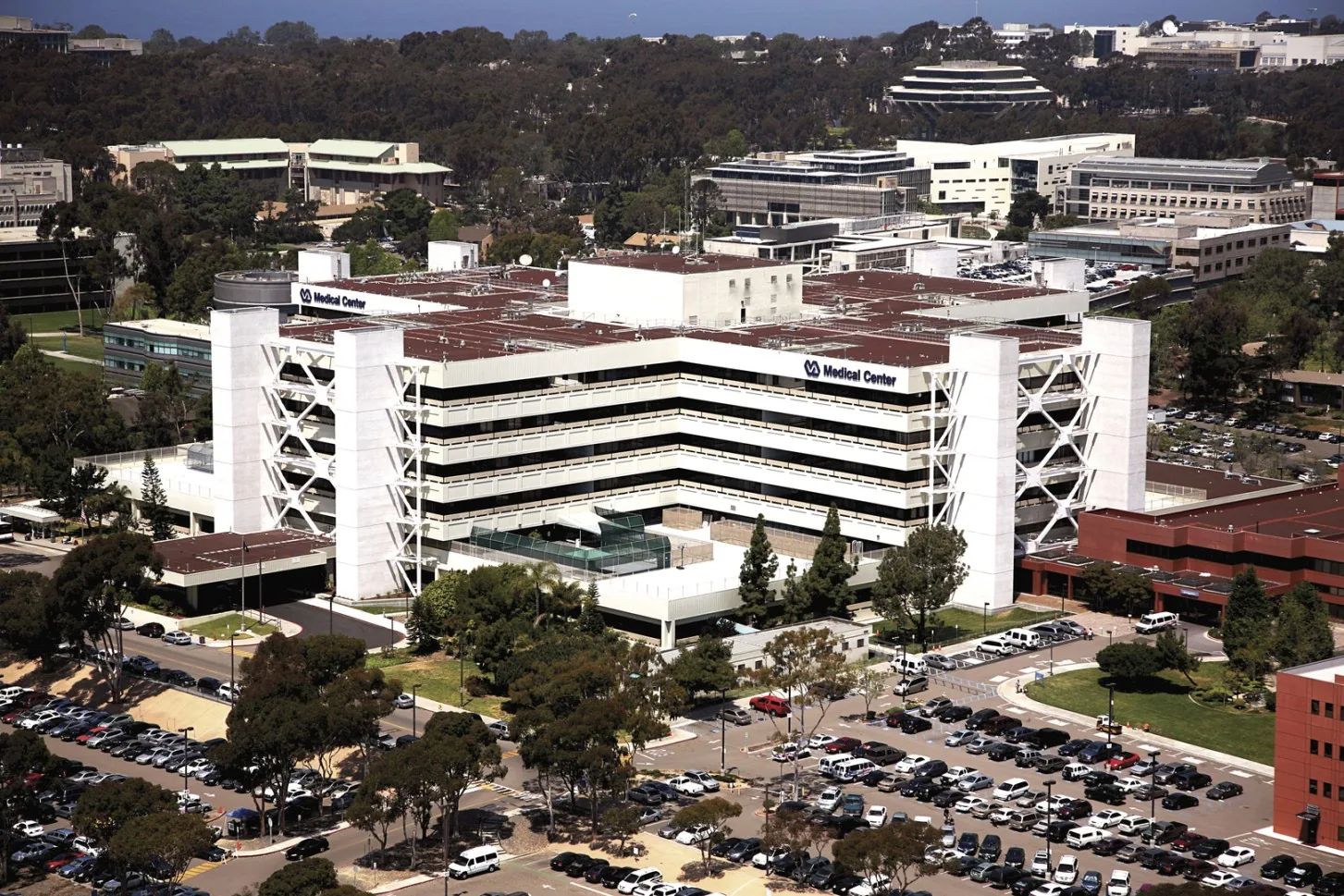
Government building roof inspection and repair in Johns Creek, GA, with access controls, public-safety coordination, and documented scope boundaries.
Which public service area sits below the roof concern, and what access limits apply? Government building roofing starts with the affected office, public counter, meeting room, or operations space, then traces the report to the roof zone. We inspect the likely water path and document the finding before setting a repair limit. Technology Park Johns Creek includes community facilities alongside offices, retail, and industrial uses; each government building has its own access and continuity requirements. The inspection should also name who can approve an after-hours roof entry and where completed photos should be filed for facilities review and future maintenance planning. The owner can also attach current roof access procedures to the inspection request.
What can the inspection verify?

Property Types We Roof from Commercial Roofers Johns Creek.
We review roof plans, reported leak locations, prior repairs, and the facility's access rules before walking the roof. The inspection checks seams, curbs, penetrations, drains, scuppers, edge details, and transitions near the interior report. Water may travel along a deck or service route before appearing inside, so the nearest ceiling mark is not enough to set a repair boundary. Photographs show what we observed; test cuts or moisture readings identify what still needs direct confirmation.
Buildings may house offices, public meetings, records, equipment, or emergency functions. The building label alone does not establish roof assembly, hours, or security requirements. We confirm those details with the owner's representative and note any inaccessible zone. A roof inspection can tie findings to the plan, while a moisture survey can help target further testing when moisture is suspected inside the assembly.
How should public access be managed?
The sequence identifies public entrances, staff routes, loading points, accessible paths, and any service counter or meeting area that may be affected. We coordinate staging and barriers with the building contact and keep materials clear of exits. If the work produces noise, odor, or temporary restrictions, the scope identifies the expected area and window so the facility can issue its own public notice. Confirm room occupancy and access with the facility contact before scheduling interior protection or testing.
Johns Creek Town Center includes a Medley redevelopment with restaurants, retail, entertainment, a hotel, lifestyle offices, and housing. That project is local context, not a substitute for a government building's operating calendar. We confirm hearings, public events, security rules, and contractor check-in with the owner's contact. A phased reroof sequence can name daily work zones, safe reopening conditions, and the contact authorized to address an access change. Where public records or secure rooms sit below the roof, the owner can identify any special covering, escort, or timing rule before we open the affected zone. We record those requirements with the sequence and notify the assigned contact if weather changes the planned work area. If a separate trade controls alarms, communications equipment, or rooftop units, that handoff appears in the scope so responsibilities are clear before work begins.
When does a repair need a broader scope?
A localized flashing defect can be corrected when the membrane and substrate around it remain sound. Repeated leaks, widespread wet insulation, failing attachment, or deteriorated deck may require a larger repair or replacement review. We separate confirmed findings from untested sections and show the proposed boundary on the roof plan. An allowance for concealed conditions should say what discovery activates it and how additional work will be approved before it proceeds.
Active water over records, electrical equipment, or a public-service room may need temporary protection while the permanent scope is reviewed. Record the protected department or public area, access approval, and any roof work deferred until conditions are safe. The first visit documents the temporary measure and the next inspection step; it does not imply that concealed damage has been ruled out. A rapid roof response can limit immediate exposure while preserving a clear record for the building owner. If the facility is considering recover or replacement, we review the existing assembly, drainage, penetrations, and edge conditions before comparing options. The estimate can separate base scope from work that depends on test results, identify disposal and access requirements, and state which agency decisions are needed before mobilization. That gives procurement a defined scope to evaluate without presenting unverified conditions as established quantities.
What should the report say about drainage and storms?
We check strainers, drain bowls, overflow routes, scuppers, gutters, and the roof surface around each outlet. A blocked drain may be serviceable, but low slope, failed flashing, or a damaged discharge connection needs a separate correction. The report states where ponding was observed and whether water can reach an operating entrance or accessible route. A drain repair can be coordinated with membrane work when both conditions are confirmed.
Atlanta climate normals include precipitation in every month, while north and central Georgia can see damaging thunderstorm winds, hail, and tornadoes. We inspect for actual movement, punctures, open seams, or interior entry after a reported event. A regional warning does not show what happened on one building. Current conditions and product requirements determine how much roof can be opened and closed within the planned work window.
What should the public owner keep on file?
The closeout should identify the building, roof zones, observed conditions, repair materials, photos, test points, access restrictions, and any follow-up. We list work that remains temporary or excluded, along with the next inspection needed. If multiple buildings share an owner, the record should not merge their roof conditions. A clean file lets another facilities representative understand what was inspected, what was changed, and what remains unverified. Include the date, weather observations, test method, product and attachment details, and any change approved after concealed conditions were exposed. If a roof asset is transferred between departments or managed by an outside vendor, those notes keep the repair history connected to the structure rather than one person's inbox. The record should also list any manufacturer or other trade documentation required for the completed assembly, without implying a warranty beyond the written project terms.
Technology Park Johns Creek lists community facilities among its uses, along with office, retail, and industrial property. The civic and commercial mix across these Johns Creek districts A roof condition report can keep government building findings traceable across maintenance cycles. If a portfolio includes office buildings or schools, each scope should retain a facility-specific access plan. Public buildings near Johns Creek Town Center can schedule roof access around actual public-service hours.
Commercial Roofing Questions
Can roof work proceed while a public office is open?
The active work zone, access route, noise, and public-service function determine the limits. We identify the roof section and any interior impact, then coordinate the sequence with the owner's representative. The facility decides what notice or service adjustment is required.
What access information is needed before the crew arrives?
The owner should provide check-in procedures, roof access points, escort requirements, restricted areas, and the authorized work contact. We note those limits in the work plan so staging and inspection stay within the approved route.
How do you document a roof issue over records or equipment?
We map the report to the roof plan, photograph the roof detail and any interior evidence, and identify testing needed to confirm hidden moisture. The closeout keeps the confirmed repair separate from areas that were not opened.
Can an emergency patch be included in the permanent project?
The temporary protection is recorded as an immediate measure. A later inspection determines the permanent correction and any concealed scope. The proposal should make clear what was already stabilized and what remains to be completed.
Back to Property Types We Roof, or request a roof assessment and call 555-555-5555.