
Commercial roofing in Johns Creek, GA
Repairs, replacement and maintenance
Cool Roof Installation in Johns Creek, GA
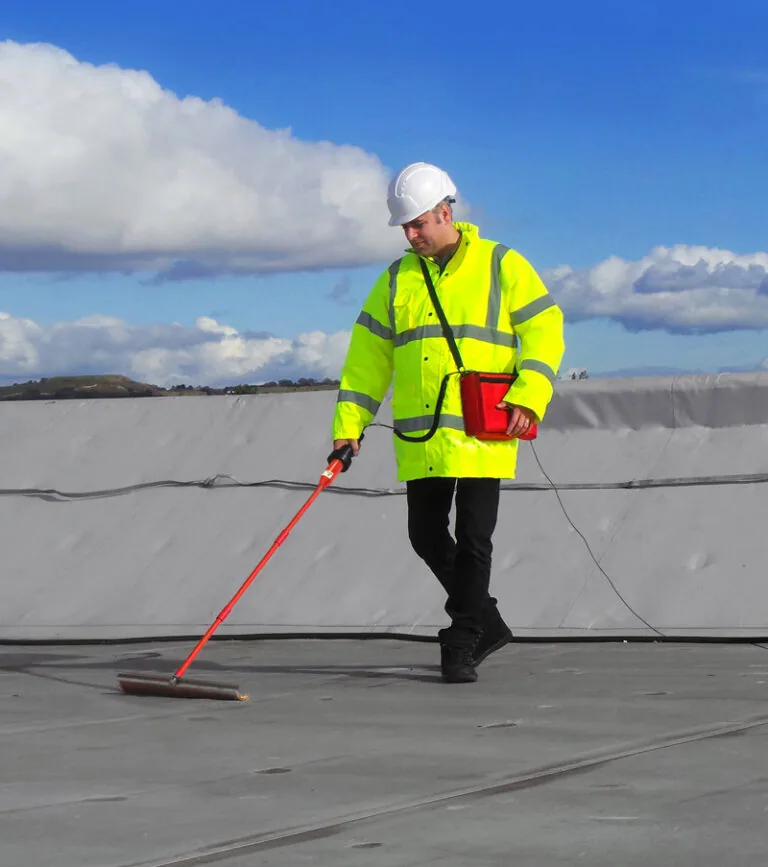
Compare reflective commercial roofing options in Johns Creek with roof-condition checks, insulation review, drainage details, and a measured installation scope.
Would a reflective roof suit this building, or does the assembly need a different correction first? A cool roof can reduce solar heat absorbed at the surface, but performance depends on roof condition, insulation, system selection, and maintenance. We inspect the existing membrane, seams, drainage, and equipment before comparing reflective options. Johns Creek has many hot summer days in the Atlanta climate record, yet climate data alone does not predict energy savings for one property. The proposal should connect the selected surface to the building’s roof and operating conditions.
Where does roof heat enter the decision?
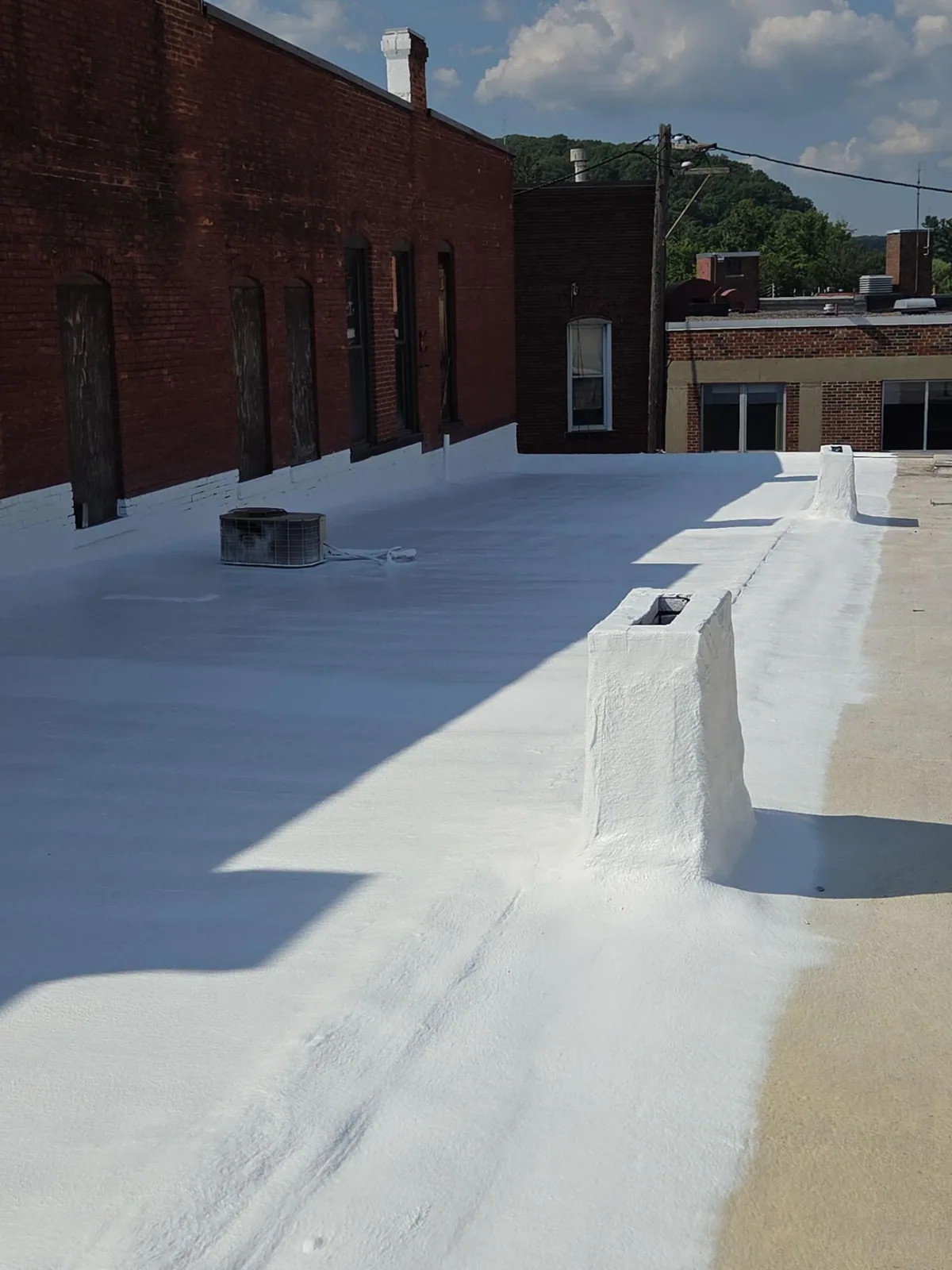
Commercial Roofing Services from Commercial Roofers Johns Creek.
A reflective finish redirects more sunlight than a darker surface, which can reduce roof-surface temperature under suitable conditions. That does not correct wet insulation, air leakage, poor ventilation, or an inefficient HVAC system. We review the roof assembly and existing insulation before treating surface reflectance as the main performance lever. The owner may need an energy model or mechanical review to estimate building-level effects.
Atlanta normals include about 47 days each year with highs at or above 90 degrees. Hot roof surfaces can affect material handling and safe access, while the inside temperature depends on the full building envelope and equipment. We can compare reflective membranes and coating systems such as TPO roofing or a silicone roof coating where the existing assembly supports them. Color alone is not a specification. The proposal identifies the actual system, preparation, attachment, and maintenance requirements.
What should be checked before installation?
We inspect seams, flashings, penetrations, roof drains, low areas, and previous repairs. Reflective membrane or coating should not be placed over loose material, wet insulation, or open seams. A test cut can check the assembly where moisture is suspected; an adhesion test may be needed before a coating is selected. We mark zones that qualify and identify areas that need removal or repair first.
A coating follows the substrate and will not raise a depressed area or repair a failed edge by itself. A reflective membrane may change curb and drain heights when insulation is added. We review these transitions before setting the finished roof elevation. If the roof needs more thermal resistance, a new insulation and cover board plan may be part of the work. A hands-on roof inspection helps establish which details can remain and which need correction.
Which cool roof option fits?
Options include reflective single-ply membrane, a light-colored metal roof, or an eligible coating system. Selection depends on slope, drainage, substrate, rooftop use, attachment, and future maintenance. We inspect the existing roof and compare material compatibility before recommending a restoration coating. If the old assembly is beyond its repair boundary, replacement may be a better basis for reflective materials.
For a low-slope roof, the specification should state membrane type, insulation, cover board, attachment, edge details, and flashing. For metal, it should identify panel condition, seams, fasteners, and the surface preparation required. A coating scope should name primer, reinforcement at details, and excluded areas. The owner can compare a coating restoration with a reflective replacement using the same roof zones and assumptions. We do not describe a coating as a substitute for needed removal or moisture correction.
How does the Johns Creek market shape the scope?
Johns Creek’s Technology Park has offices, retail, industrial properties, and institutional uses. Each building may have different rooftop equipment, interior loads, and maintenance responsibility. We record the actual assembly rather than infer it from the property type. A healthcare or life-sciences contact may also need a work window that avoids interruption to building operations.
Alpharetta’s North Point activity center includes substantial retail and dining uses, and the district plan treats it as a regional commercial area. That nearby building mix is useful context for scheduling work around shared access and operating hours, not a basis for estimating energy results. For an owner with properties in North Point and GA 400, each roof still needs a separate survey. We coordinate delivery, roof access, and protection around the actual site’s tenant and equipment restrictions.
What controls installation timing?
Surface temperature, air temperature, humidity, wind, and the chance of rain can limit material preparation and application. Atlanta normals show precipitation in every month, so the schedule needs a dry-in plan for each opened area. Actual roof conditions govern the work window. In hot weather, exposed surfaces can become unsafe to handle; in colder periods, adhesive and coating cure requirements may change. Before calling a roof “cool,” compare the approved surface against adjacent walls, rooftop equipment, drains, and any walkway or ballast zones. A reflective finish can alter solar exposure, but roof reflectance alone does not establish whole-building energy use. If measurement matters, agree on the baseline, utility period, occupancy, and equipment settings before work begins.
We divide the roof into areas that can be prepared, completed, and protected before work shifts. An occupied site may need noise, access, and equipment limits included in the sequence. The proposal should state how weather holds affect exposed roof zones and who receives notice. We also coordinate with the property team if equipment screens, walkways, or photovoltaic arrays restrict access. The scope says what must be moved or protected before membrane or coating work begins. For coatings, we check moisture and cure conditions before application. A reflective surface is useful only when the installation remains continuous at seams, perimeters, drains, and penetrations.
How will performance be reviewed?
Before work starts, we record the existing roof condition, insulation details, test results, selected system, and areas excluded from the scope. At completion, photos should show the installed membrane or coating, penetrations, edge transitions, and drains. The record includes product maintenance requirements and any area that needs follow-up. If energy performance is the goal, the owner should compare utility or building data under similar operating conditions before attributing a change to the roof.
Johns Creek’s Town Center plan includes office, retail, hospitality, and residential uses as redevelopment proceeds. That mix reinforces the need for building-specific scopes and a clear work window. We can provide a roof condition report and tie the installation record to the asset’s existing roof plan. Send the roof details, leak history, insulation information, operating schedule, and performance goal. We will evaluate reflective options and separate confirmed roof needs from any energy estimate that requires additional analysis.
Commercial Roofing Questions
Will a cool roof lower our energy bill?
Utility changes reflect insulation, building use, HVAC efficiency, occupancy, weather, and the installed roof system. Reflective surfaces can reduce solar heat absorbed at the roof, but we do not promise a specific utility outcome. An energy professional can model the building before the owner sets a savings target.
Can we add a coating to any commercial roof?
No. The membrane, adhesion, moisture, preparation, drainage, and compatibility determine whether a coating is appropriate. We inspect and test representative areas first. Wet insulation, loose material, or failed seams require correction before a coating is considered.
Is a reflective membrane different from a reflective coating?
A membrane is the roof covering installed as part of an assembly, while a coating is applied over a compatible and prepared substrate. Their seams, attachment, repair methods, and maintenance differ. We compare options against the existing roof and the project scope.
Should insulation be replaced when a reflective roof is installed?
Existing insulation, moisture, project requirements, and performance goals set the scope. Test cuts can confirm hidden conditions in selected zones. We identify where insulation can remain, where removal is needed, and which assumptions require design review.
How do you compare cool roof bids?
Compare the roof zones, system components, insulation, cover board, preparation, edge details, drainage, and maintenance requirements. The proposal should state how it handles wet areas and weather delays. A surface-color description alone does not define an assembly.
Back to Commercial Roofing Services, or request a roof assessment and call 555-555-5555.