Commercial roofing in Johns Creek, GA
Repairs, replacement and maintenance
College and University Roofing in Johns Creek, GA
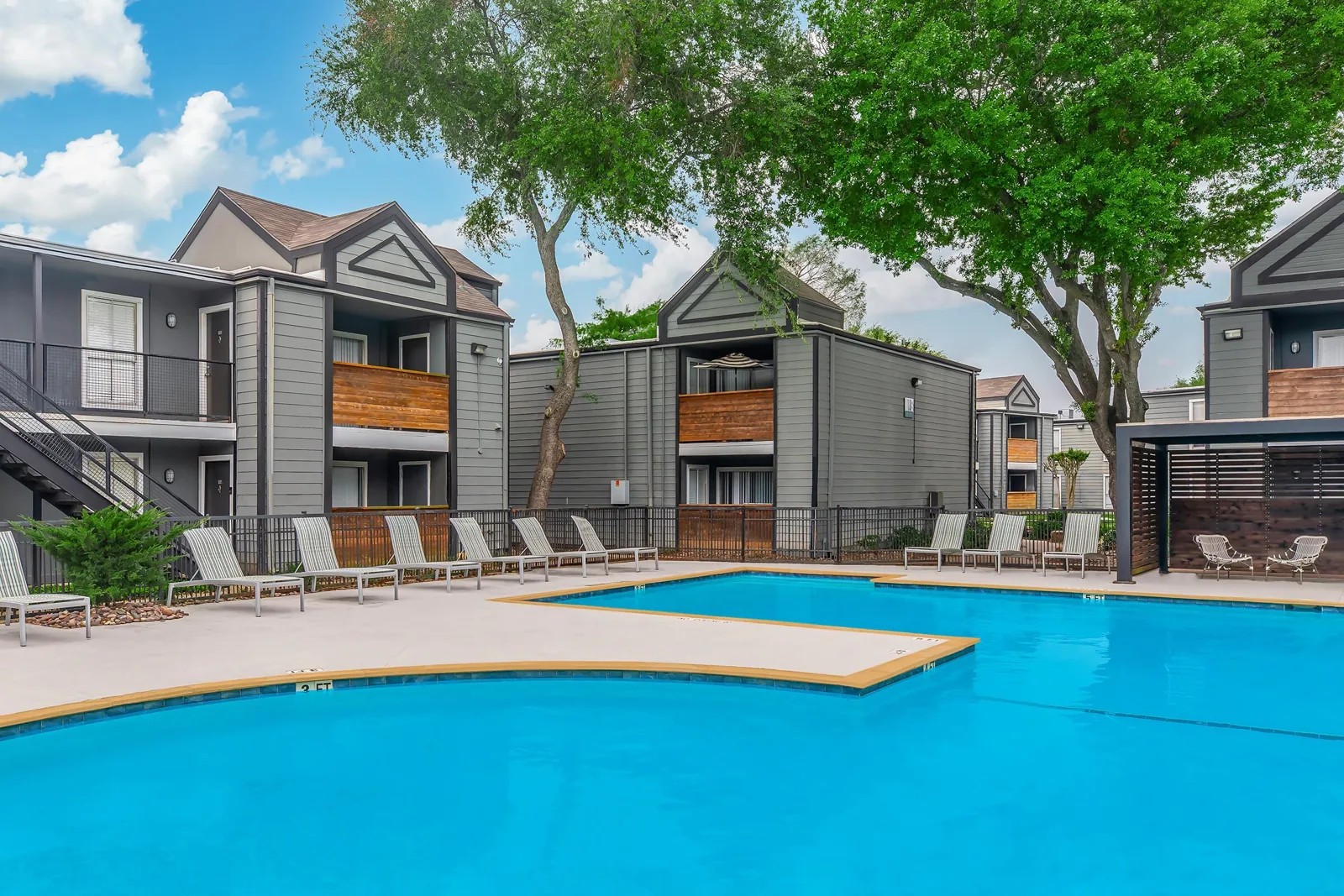
Coordinate college roof repairs in Johns Creek around academic calendars, residence and lab access, multiple buildings, drainage, and closeout records.
Which campus building can be taken out of service, and what work needs to finish before students return? College roofing often spans classroom buildings, labs, residence halls, recreation spaces, and administrative facilities, each with different access and equipment constraints. We inspect by building and roof zone, then set the work boundary from observed conditions and test results. Johns Creek's commercial mix around Technology Park and its planned Town Center gives local owners a varied institutional and mixed-use setting; a campus roof still needs a building-specific schedule and record.
How should a campus roof inventory be organized?
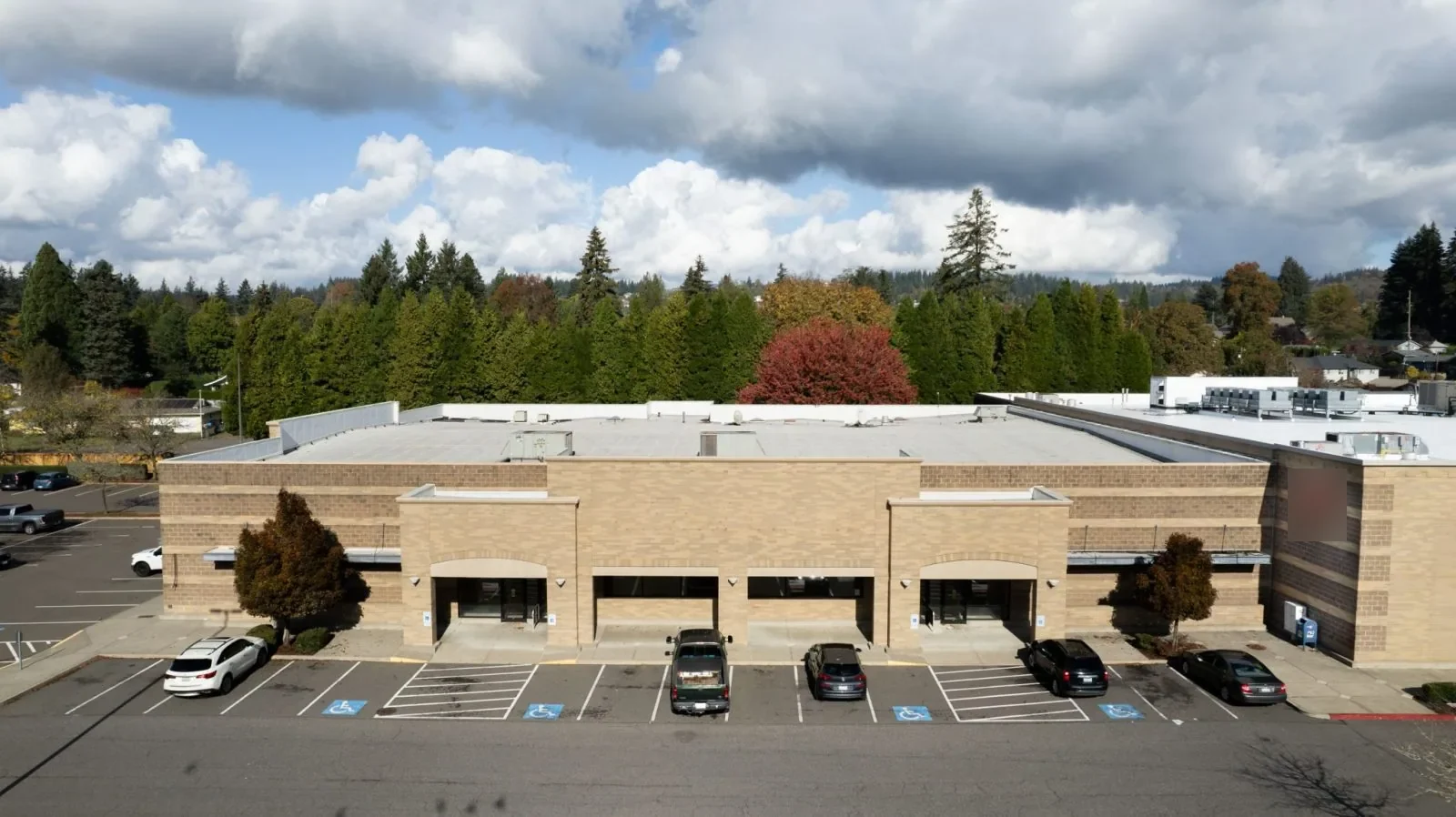
Property Types We Roof from Commercial Roofers Johns Creek.
We begin with building names, roof plans, reported leaks, past work, and the facilities team's priority list. Each building is checked for its system, drainage, penetrations, expansion joints, and transitions between additions. A recurring leak on one academic wing does not establish the condition of a separate residence hall. We label photos and test locations to the correct roof plan, so later budget review can compare similar scopes rather than blend unrelated work.
Technology Park Johns Creek includes office, retail, industrial, and community facilities near McGinnis Ferry and Medlock Bridge roads. Those active uses make shared access planning familiar in the area, but they do not tell us how a college controls its own campus gates or deliveries. We confirm campus-specific loading rules, pedestrian paths, and event dates with the institution. A campus roof inspection documents findings, and a condition report can preserve the separate building records for capital planning.
When can major roof work fit the term?
Summer break can provide a longer work period, but campus activity may continue through research, conferences, residence occupancy, or maintenance operations. We confirm the actual calendar, exam periods, move-in dates, deliveries, noise restrictions, and access controls before planning the sequence. The proposal states which buildings or areas could be affected and what must be complete before occupancy resumes. A start date alone does not show whether each roof section can be closed safely.
Work is divided into daily areas with a defined dry-in point. If an assembly requires removal, we limit open deck to what can be protected before weather changes. Campus facilities staff identify rooms requiring interior protection and who can approve an interruption. A phased campus reroof schedule can list work windows, temporary barriers, rooftop access, and change-order approval. If a concealed condition adds time, the institution receives a revised sequence tied to the test finding.
What changes between a lab, dorm, and classroom?
Roof details vary with equipment, exhaust, penetrations, occupancy, and the area below. A laboratory may have process exhaust or service routes; a residence building may have different access hours; a classroom may need quiet periods. The institution's facilities group identifies the actual constraints, and the inspection records them with the roof zone before a repair plan is set.
We check curbs, pipe supports, drains, edge metal, expansion joints, skylights, and previous work. A test cut can show the assembly and whether insulation is wet. If HVAC or lab equipment needs to be moved, the mechanical or research contact confirms the shutdown and reconnection sequence. An equipment curb review can document the roof interface, while a K-12 school roof assessment addresses different calendar and site controls. Administrative blocks with tenant-style suites can use an office-building roof plan that accounts for its own occupants and equipment, rather than adding that work automatically to a classroom or residence hall project.
How do you manage people and deliveries?
Before mobilization, we agree on the site entrance, vehicle staging, lift locations, pedestrian routes, escorts, restricted buildings, and roof access. Campus maps may show convenient paths that are unavailable during events or construction, so the contact confirms the route. Temporary signs and barriers keep students, staff, visitors, and contractors away from active work areas. Each day's closeout tells the institution which areas reopen and which remain restricted.
Nearby Peachtree Corners includes a technology and life-sciences employment center, while Johns Creek has its own office, retail, and industrial mix. These regional uses help explain why properties share active commercial corridors, but do not establish campus procedures. We coordinate with each institution directly. If the campus has several maintenance vendors, the roofing scope names who will disconnect equipment, clear a room, or restore interior finishes, with each handoff recorded before the crew leaves.
How does weather affect the academic schedule?
Atlanta climate normals show precipitation in every month, frequent hot days, and regular overnight freezing conditions. Actual rooftop temperature, moisture, and product requirements control adhesive and coating work, while the forecast determines how much area can be opened. We check the roof at the start of each work window and protect incomplete transitions before moving to another building. A tight semester calendar does not change a material cure limit.
North and central Georgia severe-weather includes damaging thunderstorm wind, hail, and tornadoes. After an event, we inspect for new openings, loose trim, and water entry, then report what was reached and what remains unknown. The regional warning itself does not show damage to a particular campus. We can provide dated photos and test information for the institution's file, with maintenance items separated from observed storm conditions.
What should the facilities team receive?
Closeout includes roof plans annotated with completed work, materials and attachment details, test locations, photos, open items, and building access notes. We identify any deferred area and its effect on future maintenance. Where project phases span more than one term, the record should show which tie-ins are permanent and which are temporary. That helps the next facilities review avoid treating partial work as a finished roof zone.
Provide the campus map, roof plans, building priority, academic calendar, access rules, and decision date. We will inspect each roof zone and prepare a sequence tied to the institution's operating constraints. Nearby Peachtree Corners and Johns Creek Town Center are distinct commercial areas. Those areas serve different businesses; a campus portfolio report still keeps findings organized under each school building and roof zone.
Commercial Roofing Questions
Can a campus reroof finish between academic terms?
Project size, removal depth, weather, access, and concealed deck conditions set the realistic schedule. We divide the work into closable zones and set progress checks against the term calendar. The institution receives a revised sequence if test findings change the duration.
How do you handle roof access to a research building?
The campus contact identifies escorts, restricted areas, equipment sensitivities, and any security requirements before inspection. We follow that route and note locations that could not be reached. Work near exhaust or other research equipment is coordinated with the responsible facility team.
Can a roof leak over a lab be repaired immediately?
An urgent response can protect an active leak while facility staff set interior controls. We coordinate access and temporary covering, then inspect the permanent roof detail. Testing may be needed if moisture reached insulation or the visible opening is not the entry point.
Should the campus use one roof specification for every building?
A common standard can help compare materials, but the scope still needs to reflect each building's deck, drainage, equipment, and access. We record deviations and site conditions rather than force unlike roofs into one assembly. The institution's design team can review any standard specification before work is priced.
What affects the cost of a college roof project?
Building height, access, roof layers, equipment, occupied areas, interior protection, material choice, and concealed repairs affect scope. We state assumptions and allowances. Test openings and approved changes connect added work to documented conditions rather than a broad contingency alone.
Back to Property Types We Roof, or request a roof assessment and call 555-555-5555.