
Commercial roofing in Johns Creek, GA
Repairs, replacement and maintenance
Commercial Heat and UV Roof Damage Repair in Johns Creek, GA
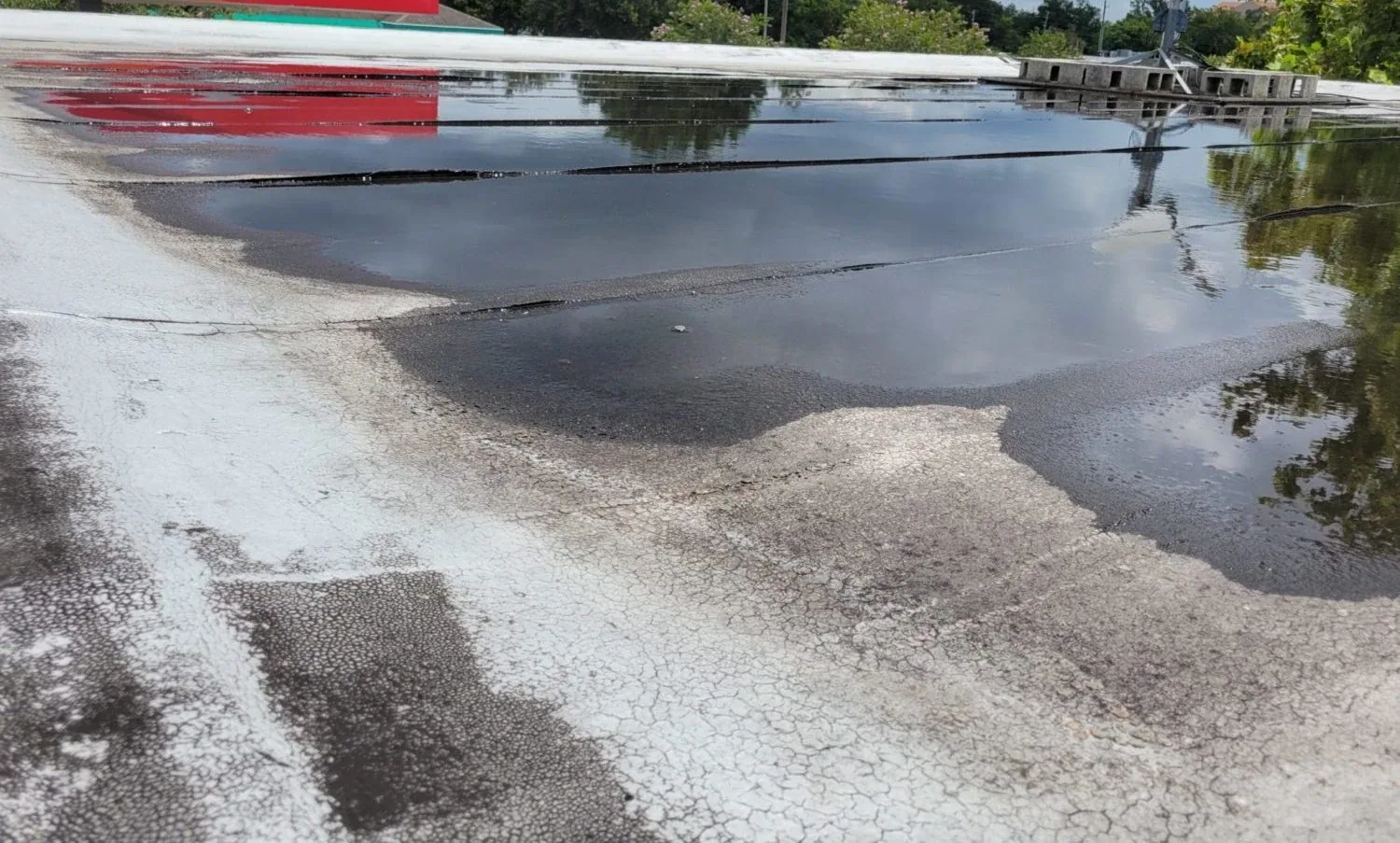
Commercial roof reviews for heat and ultraviolet wear in Johns Creek, GA, with product-specific findings and repair options based on inspection.
Is a commercial roof showing brittle material, surface checking, shrinkage, open laps, or recurring splits after years of sun exposure? Heat and ultraviolet exposure can age materials, but the roof's assembly, installation history, drainage, and prior repairs affect what is actually failing. We inspect the affected area and document whether the condition is surface wear, a leak path, or a broader system concern. Johns Creek's office, healthcare, retail, and industrial properties in Technology Park carry varied roof types and exposure conditions.
What signs of heat or UV degradation should be inspected?
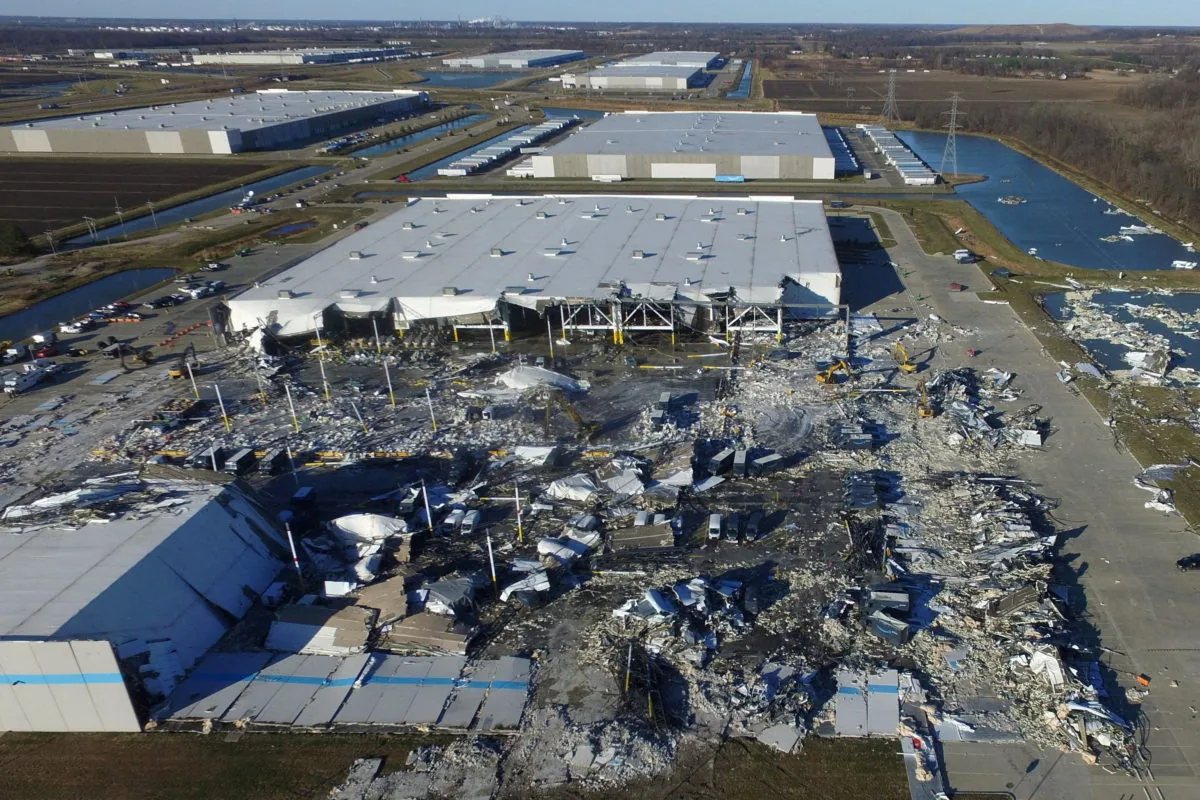
Roof Damage Repair from Commercial Roofers Johns Creek.
Look for membrane shrinkage, surface cracking, exposed reinforcement, chalking, blistering, embrittled sealant, loose terminations, or recurring seam separation. The indicator alone does not define the repair. We compare it with the installed material, field condition, attachment, repairs, and any moisture findings. A roof can show cosmetic surface changes while remaining functional, or a small split may admit water despite limited visible wear.
A commercial roof inspection can map the condition and identify details requiring closer testing. If moisture may be beneath the roof surface, an infrared moisture survey can guide follow-up locations when the conditions support it. We record the method and limits, and confirm suspected wet materials before using them to set removal quantities. The report distinguishes visible weathering from damage to the assembly below.
In Atlanta, close to seven weeks per year reach maximum temperatures of 90 degrees Fahrenheit or higher in the 1991-2020 climate record. That is useful when planning rooftop work hours, but it does not predict the condition of a particular roof. Actual surface temperature, shade, roof color, insulation, and ventilation influence the assembly. We use site observations and material-specific requirements to select inspection and repair methods rather than applying a single age threshold.
How does the roof system affect repair options?
Thermoplastic membranes, EPDM, modified bitumen, built-up roofs, metal, foam, and coatings age differently. Confirm the installed system and any recover layers before specifying a repair. A brittle membrane may need a larger replacement strip if it cannot accept a new tie-in. A coating may show surface erosion while the substrate remains sound, or the substrate may be wet or poorly bonded. The repair should address the layer that failed, not simply cover the visible symptom.
Heat can affect sealants and adhesives at equipment curbs, penetrations, and wall terminations. We check for loss of elasticity, gaps, debonding, and evidence of movement. If a coating restoration is considered, an roof coating assessment should verify adhesion, substrate dryness, film condition, and preparation requirements. Applying new coating over unstable material does not correct a failed assembly.
Roof assemblies also respond to temperature changes across seasons. Atlanta climate records include days when overnight temperatures fall to freezing as well as hot summer periods. Material installation should follow the manufacturer's temperature and cure requirements and actual surface conditions. If cold weather or heat limits work, the scope can set a suitable application window and explain what temporary protection is needed in the meantime.
Where repeated seam openings occur, a seam failure review can identify whether the joint is repairable or whether aged material extends beyond the visible split. If heat has distorted a curb or perimeter detail, inspect the adjacent flashing separately. Keep each finding tied to its location and assembly.
When is repair still practical?
A local correction may be appropriate when the degraded area is limited, surrounding material can accept a compatible tie-in, and moisture does not extend beyond the proposed boundary. The estimate identifies preparation, membrane or coating material, attachment, quantity, access, and any testing needed before removal. If the existing surface is brittle around the repair, test the tie-in area rather than assume the new patch will bond to it.
Widespread cracking, shrinkage, delamination, or failed seams can indicate that a series of small patches may not be a reliable scope. We document the distribution of conditions and compare a larger repair with replacement when evidence supports both options. A roof replacement evaluation can consider the assembly, wet areas, edge details, and transition work. The report states what is confirmed and whether additional openings are necessary.
Where water is entering, protect the interior and arrange safe roof access. A temporary roof response can limit exposure while a permanent repair is planned. Note which section was protected and whether the material remains vulnerable to heat, rain, or foot traffic. If an occupied business must continue operating, a phased work sequence can limit exposed roof area and set a daily closeout point.
What local conditions should be considered?
The city's commercial base includes office, industrial, healthcare, and life-science facilities, with Technology Park reported at nearly six million square feet of developed office and industrial space. A broad building mix means roof areas may differ in exposure, reflectivity, mechanical load, and maintenance access. We inspect each property rather than transfer a condition from a neighboring roof.
Johns Creek Town Center's 192-acre plan follows Medlock Bridge Road, McGinnis Ferry Road, and Johns Creek Parkway. New construction and existing roofs can sit close together while using different assemblies and operating schedules. For a property near Technology Park Johns Creek, identify the roof section, surface type, and any recent overlay or coating record before the visit.
Sun exposure is only one part of roof performance. Ponding can leave a material exposed to water longer, and blocked drains can complicate a repair. If standing water is part of the report, a ponding-water inspection can evaluate slope and outlets independently. A membrane puncture check is appropriate if an opening or impact mark is also present. Separating these conditions helps the owner understand which correction addresses age-related surface wear and which responds to a separate defect.
What should the roof file retain?
Keep the roof type, age if documented, repair history, surface condition, photographs, test locations, moisture findings, and areas not reached. Record the material used and temperature or curing limitations that affected installation. If a recommendation depends on a future test, list the test and decision it would support. The file should let another facilities person distinguish a new crack from a prior patch or an unrelated water report.
Owners with facilities across Johns Creek, Alpharetta, and Suwanee can use a common inspection register, while each building keeps its own evidence. A roof condition report can retain observations and repair boundaries. For service in Johns Creek, send the roof plan, system records, reported symptoms, and access instructions to prepare the visit.
If a later issue occurs after a coating or patch, compare the new observation with the product, preparation, date, and area documented at closeout. That record helps determine whether a follow-up review should examine the repair, adjacent material, or another source. It also gives the owner a basis to plan maintenance and capital work without treating one weathered patch as a condition summary for the whole roof.
Commercial Roofing Questions
Does a weathered roof need immediate replacement?
Not necessarily. We inspect the distribution of degradation, repairability, moisture, and the condition of transitions. The recommendation depends on the installed system and confirmed scope.
Can a coating correct heat-related roof wear?
Only if the substrate and existing roof are suitable for that system. Adhesion, moisture, surface preparation, and application conditions should be checked before a coating scope is set.
Can you install a repair during hot weather?
The material instructions and actual surface conditions set the application window. We plan around those requirements and identify temporary protection if the repair cannot proceed safely that day.
What records help evaluate an older roof?
Roof plans, material records, prior repairs, leak history, maintenance logs, and any warranty documents help establish context. We verify the field assembly where the records are incomplete.
Back to Roof Damage Repair, or request a roof assessment and call 555-555-5555.