Commercial roofing in Johns Creek, GA
Repairs, replacement and maintenance
Commercial Fire Damage Roof Repair in Johns Creek, GA
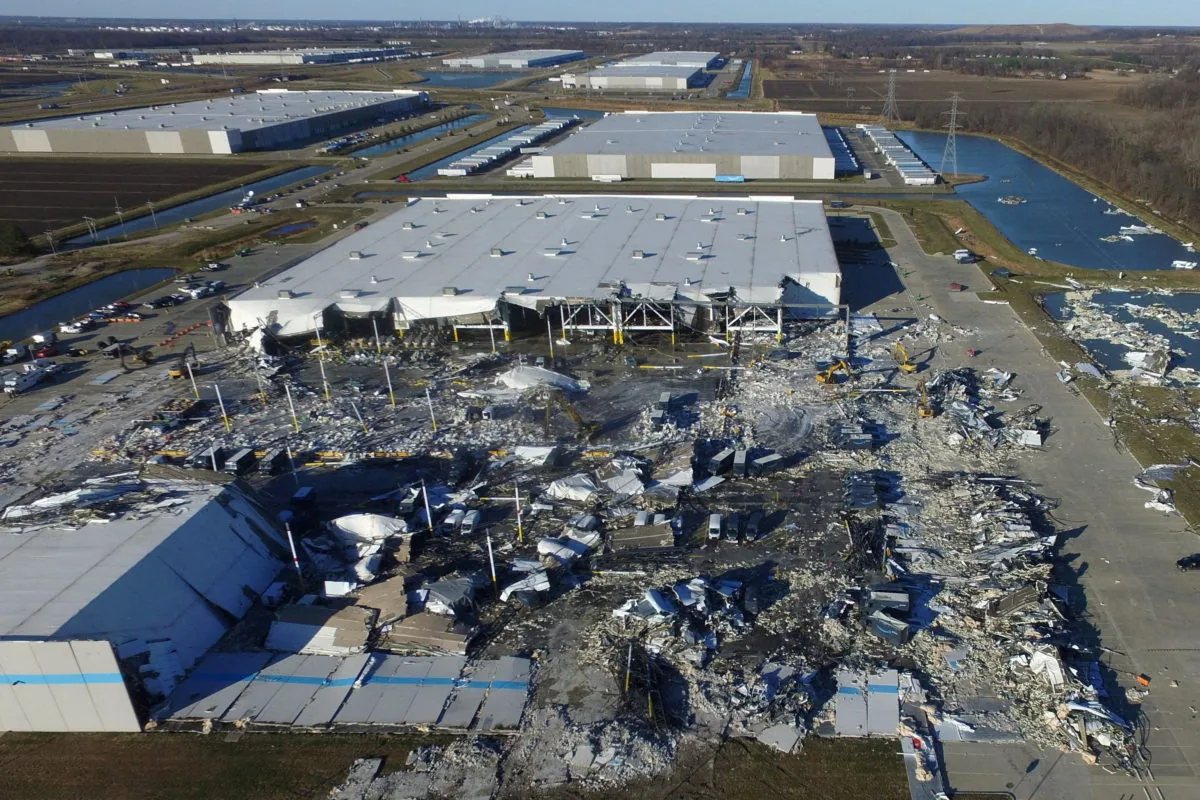
Commercial roof inspections after fire or smoke exposure in Johns Creek, GA, with documented damage, temporary protection, and repair planning.
Has a rooftop fire, nearby equipment incident, or building fire affected the roof assembly? Heat, flame, smoke, and suppression water can cause different conditions, so the inspection needs to identify which materials were exposed and what changed. We document the roof area, visible impact, and access limits before preparing a repair scope. Johns Creek has a mix of office, healthcare, industrial, and retail properties in and around Technology Park and Medlock Crossing. Every fire-related roof review remains specific to the affected property and incident.
What must happen before the roof can be inspected?
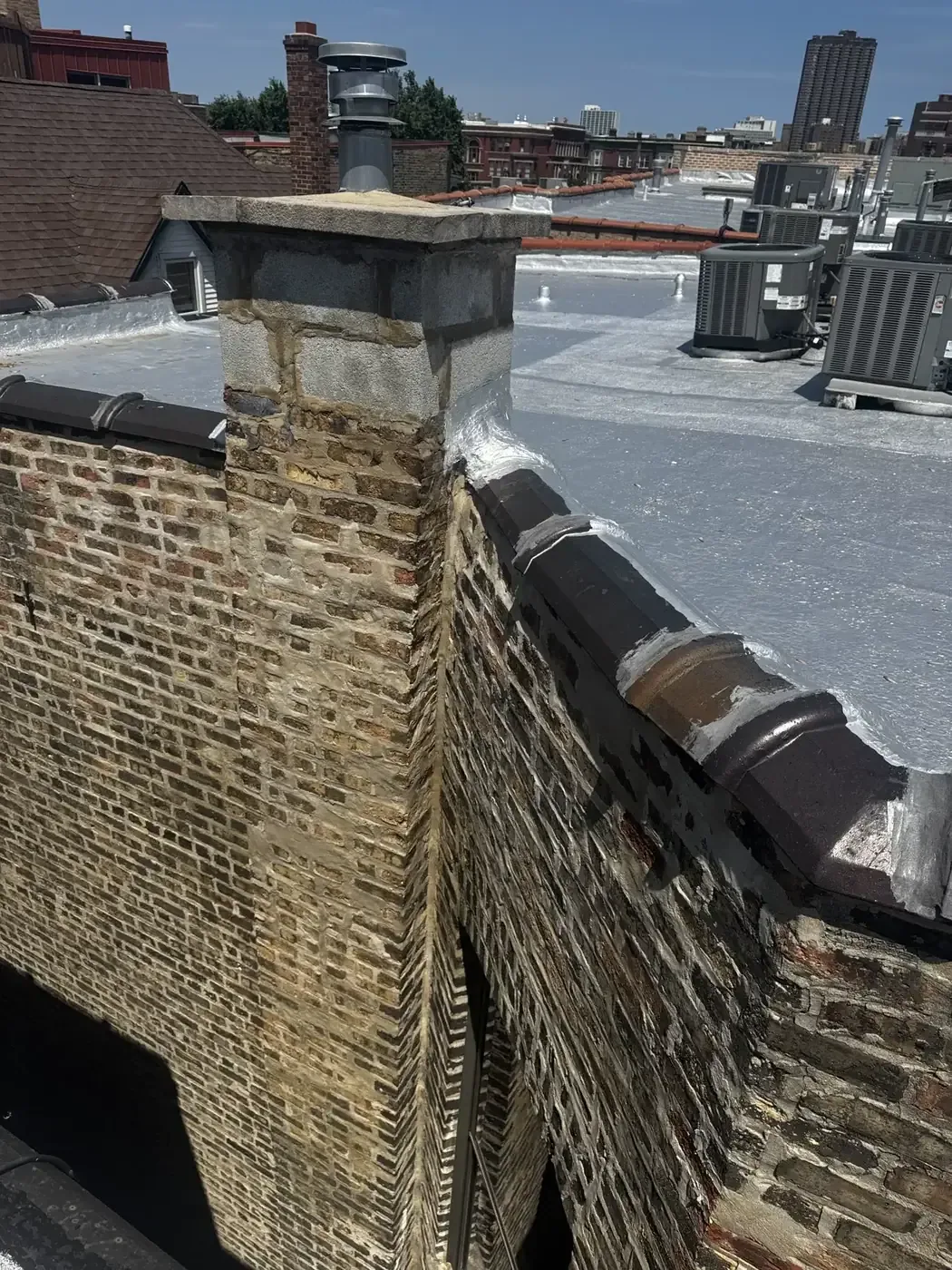
Roof Damage Repair from Commercial Roofers Johns Creek.
Follow the fire department, building official, and property safety lead's instructions before entering an affected area. The owner or incident commander confirms when roof access is allowed, what areas remain restricted, and whether utilities or structural elements have been cleared for inspection. Roofing observations do not substitute for fire investigation, structural evaluation, or hazardous-material assessment. We record the approved access boundary and coordinate with the responsible site contact.
Before walking the roof, identify the incident location, equipment or material involved, suppression activity, and any initial protective covering. We check whether heat reached the membrane, deck, insulation, flashings, rooftop equipment, or wall interfaces. Smoke residue may extend beyond visible flame effects. If the assembly is unstable, contaminated, or still under investigation, defer intrusive work until the appropriate authority provides direction.
A commercial roof inspection can document visible roof conditions once access is cleared. If water from suppression or firefighting efforts may have entered the assembly, an infrared moisture survey can help identify areas to verify further. We note the survey method and any limitation caused by soot, surface temperature, wet conditions, or restricted access. Any test opening requires approval and a safe work area.
How do heat, smoke, and water affect different roof materials?
Heat may soften or distort a membrane, damage insulation, loosen adhesive, or change a metal coating. Smoke and soot can deposit on roof surfaces and equipment, while suppression water can wet an assembly away from the fire origin. We document each observed condition separately and avoid treating discoloration alone as proof of a specific material failure. The roof type, exposure duration, and assembly beneath the surface affect what needs testing.
At a rooftop unit or exhaust area, inspect curbs, conduit entries, nearby roof seams, and equipment supports. The mechanical contractor may need to determine whether a unit can be restarted or cleaned. At a wall or parapet, identify whether heat affected flashing or the substrate behind it. If an interior fire reached the deck, an engineer or fire restoration team may need to clear structural and contamination questions before roofing removal. Keep those responsibilities separate from roof repair.
Emory Johns Creek Hospital is among the institutions identified in the city's Technology Park planning material, alongside office, retail, and industrial uses. That nearby healthcare context reflects the area's mix of building functions, but it does not establish conditions at a specific facility. For any property, identify occupied functions, equipment needs, and access restrictions before choosing test locations or setting the repair sequence.
If smoke or firefighting water affected multiple roof zones, map them separately. A surface wash may remove residue but does not establish that an underlying membrane, sealant, or insulation is serviceable. Testing should follow the owner's remediation plan and applicable safety requirements. The report states which observations are roofing-related and which need another professional's determination.
When can temporary protection be used?
Temporary protection may be needed if an opening or damaged edge leaves the building exposed. The measure depends on safe access and the incident team's direction. We identify the covered zone, materials, date, and limitation, then state what permanent inspection remains. An emergency roof response may help reduce additional water entry after access is approved, but it does not determine the repair quantity or confirm that concealed materials are sound.
Water from suppression may continue moving through the assembly after the fire is out. Protect affected rooms and equipment using the building's established procedures. The property contact coordinates interior drying and identifies areas that may not be occupied. A phased roof work plan can describe removal boundaries, dry-in points, and daily access controls once permanent repair can proceed.
If a repair cannot be completed in one shift, the work plan should identify the temporary closure, inspection point, and contact for any change. Do not cover material that requires a fire or structural review. If the authority having jurisdiction needs to inspect exposed framing or deck, schedule that hold point before installing new roofing. The project record can then show which party approved the next phase and what remained outside the roofer's scope.
How is the permanent scope established?
The repair description should list the roof areas affected, materials to remove, substrate or insulation tests, replacement components, flashing, disposal, and access. If the roof has heat damage in one area and suppression-water concerns elsewhere, keep those quantities distinct. Where the extent is concealed, show the test or allowance that will resolve it and obtain authorization before expanding removal.
A localized repair can be considered when the affected material is bounded and adjoining assembly is suitable for a tie-in. Widespread heat distortion, recurring smoke contamination, or moisture across multiple sections may support a larger repair or replacement review. A roof replacement assessment can compare options if testing shows that patch boundaries would be unreliable. The recommendation should cite the observations and limitations that support it.
Fire remediation may involve demolition, structural repair, electrical work, mechanical replacement, cleaning, and interior restoration. The GC or owner assigns the sequence and responsibility. Roofing work should state when it can begin and what must be complete before the membrane is closed. If another trade changes a curb, conduit, or parapet detail after roofing starts, record the change and revise the tie-in scope before covering it.
A heat-related roof review can be useful when high temperature exposure has affected the roof beyond the burn area. A separate membrane puncture inspection may be needed if suppression equipment or debris created a distinct opening. Keep each cause and repair location documented independently.
What should the fire-related roof file retain?
Retain the incident date, approved access notes, roof plan, photographs, inspection limits, test results, temporary protection, repair authorization, and completion record. Identify the materials removed and installed, any handoff to an engineer or remediation company, and unresolved areas. If a zone remained inaccessible, do not describe it as repaired or inspected. A clear file allows future facilities staff to track which roof sections were affected.
Johns Creek Town Center is planned as a mixed-use area with retail, restaurants and entertainment, hotel, office, and housing. A project in that changing district may have several parties managing construction and access. The city location is useful for service routing, but the owner must identify the actual building and authority to approve roof work. A general contractor can coordinate the roof scope with structural, mechanical, and restoration trades.
For a property near Johns Creek, share the incident information, roof plan, current safety status, and property contact when arranging a visit. A roof condition report can retain the evidence and work boundary after the repair is complete.
Commercial Roofing Questions
Can a roofer inspect a roof immediately after a fire?
Only after the responsible authority and property safety lead allow access. Structural stability, utilities, contamination, and investigation requirements may restrict entry.
Does smoke discoloration mean the membrane has failed?
Not on its own. We record surface conditions and identify whether material testing or cleaning review is needed before assigning a repair scope.
Can a temporary roof cover be installed during restoration?
If safe access and incident direction allow it, temporary protection can limit additional exposure. The record should identify its area, limitations, and the permanent inspection still required.
Who decides whether the roof deck is structurally sound?
That determination belongs to the qualified structural professional or authority responsible for the incident. The roofing inspection can document visible conditions and coordinate a hold point before new material is installed.
Back to Roof Damage Repair, or request a roof assessment and call 555-555-5555.