Commercial roofing in Johns Creek, GA
Repairs, replacement and maintenance
Commercial Roofing in Sugar Hill, GA
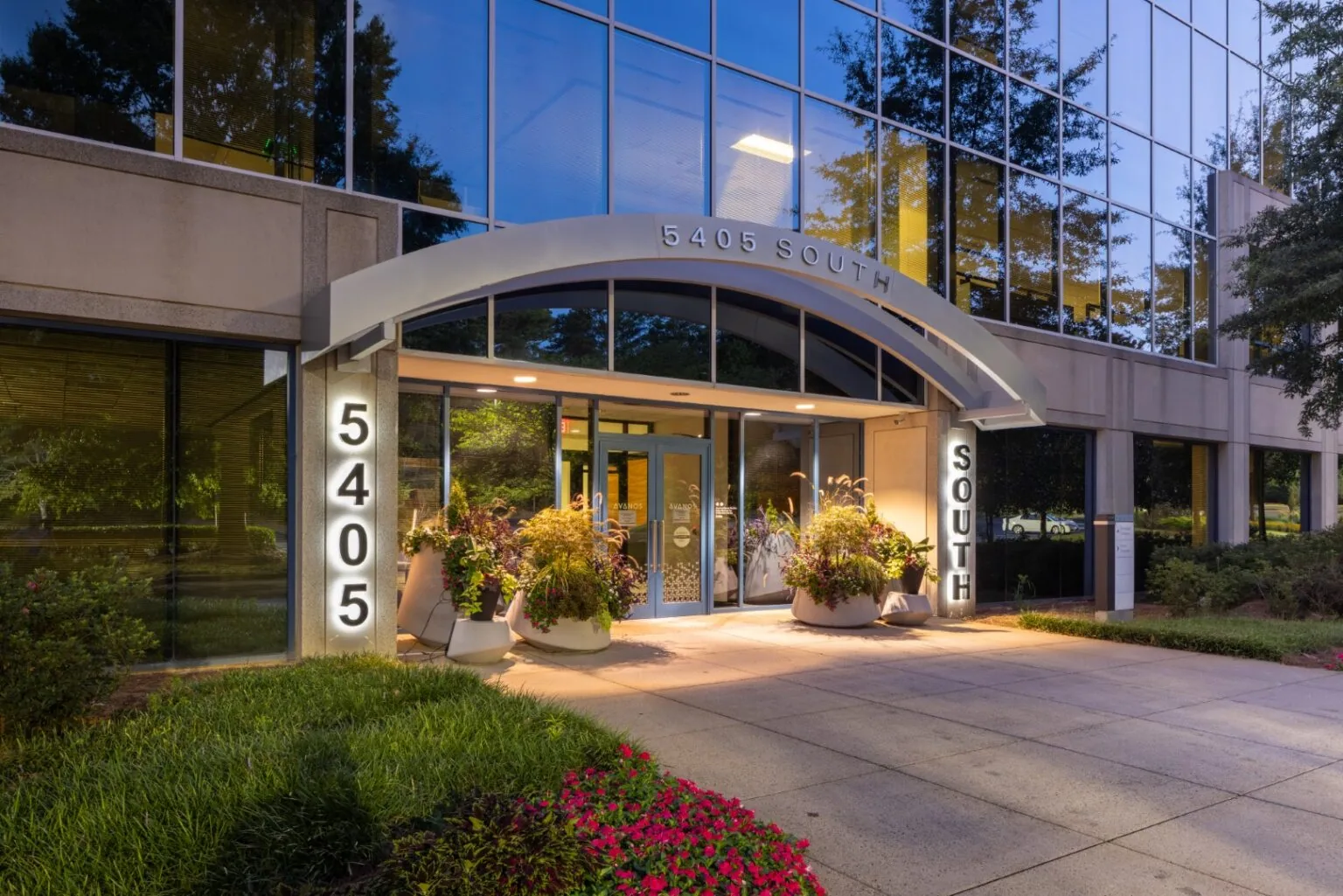
Commercial roof inspections, repairs, and replacement planning for Sugar Hill properties, with work scoped to verified findings and site access.
Which Sugar Hill building and roof zone is tied to the reported concern? Town Center brings together retail, service businesses, offices, civic uses, and housing, while the wider downtown includes public spaces and cultural destinations. That mix makes a roof work plan specific to the building and operating schedule. A request should identify the property, affected section, and symptom instead of treating the whole downtown as one roof asset. We review the assembly, drainage, flashings, penetrations, access restrictions, and visible repair history, then separate confirmed defects from conditions that need testing. The result should give a property manager a usable repair boundary and a clear account of what remains unknown.
How should access be arranged?
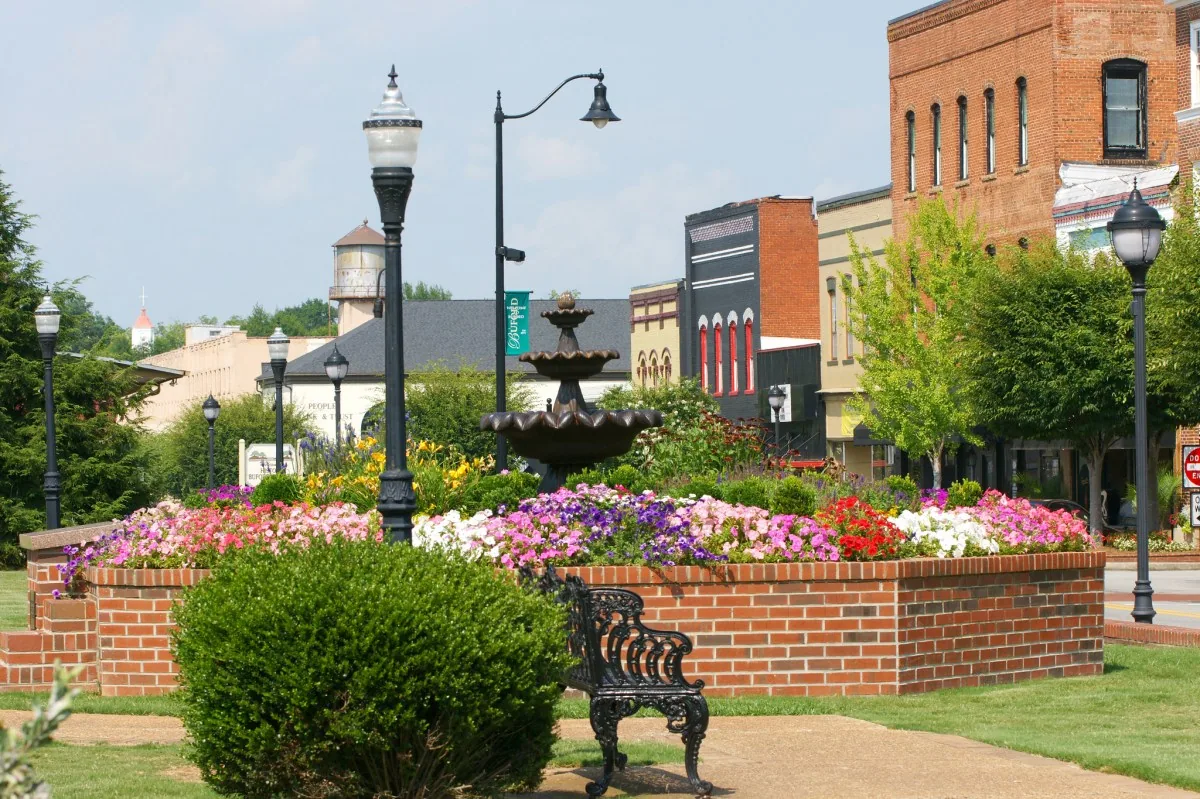
Service Areas from Commercial Roofers Johns Creek.
Share the property name, roof plan, leak location, service history, and a contact who can authorize access and testing. Confirm whether the building is open to visitors, has civic activity nearby, or needs public paths to remain clear. The E Center, Eagle Theatre, outdoor amphitheater, shops, dining, and public spaces are part of the city’s downtown context; they do not establish the access rules for a particular roof. Ask the manager about deliveries, parking, debris movement, lift placement, tenant notice, and the hours when work can occur. Keep staging on private approved areas and confirm any permits or temporary controls that apply to the actual project. A commercial roof inspection should respect approved access boundaries. If the building has a shared entry or loading area, obtain written permission for the inspection route and identify who will meet the crew. Ask whether roof access is controlled by the tenant, owner, or facility vendor. Confirm any rules for photography and reporting before beginning. A visitor-facing property may also need notice before roof access or an interior ceiling check. The point is to keep the inspection focused on authorized areas and make any unavailable zone explicit, rather than leaving a gap in the report that could be mistaken for a clear roof condition.
What should the roof walk cover?
Inspect the reported leak area and nearby transitions: membrane seams or panel joints, wall flashings, curbs, parapets, drains, overflow paths, skylights, edge metal, and old patches. Establish the system from reliable records or field evidence. If water appears below a roof line, trace the likely pathway rather than assuming the nearest detail caused it. Mark defects by roof section and record what was not reached. A close photograph can show a split or loose termination; a location image helps a building manager find it later. For a moisture concern, identify the inspection method and limits, and distinguish a scan indication from confirmed wet insulation or deck. A roof condition report can preserve the observation and any testing limit. For a low-slope commercial roof, drainage notes should include the outlet, surrounding sump, overflow route, and any debris or obstruction observed. If water is present, note the depth and approximate extent without treating one visit as proof of persistent ponding. Review nearby seams, patches, and penetrations for evidence that could connect to the interior report. For steep or metal roof sections, inspect panel laps, fasteners, ridge and eave details, and wall transitions as the assembly allows. Record the method used and any area that could not be viewed from a safe position.
How do mixed uses affect work planning?
Retail or service operations may need customer routes and storefront access preserved; civic or event uses can bring planned activity that affects barriers and deliveries. Confirm those conditions with the property representative for the work dates. Confirm event dates, approved entrances, and access rules with the property contact before scheduling the crew. Review roof access separately from pedestrian access, including any interior path through occupied space. If work uses adhesives, coatings, or hot-air welding, confirm ventilation and equipment rules for the location. Identify the daily work boundary and the temporary protection plan before material is removed so the building can be left in a documented condition if the schedule changes. Nearby Buford and the Buford Highway corridor in Norcross have their own commercial settings and property access rules.
When is a repair the right scope?
A local repair should follow a supported roof finding. Identify the confirmed opening or failed detail, nearby material condition, preparation, compatible product, tie-in, test, access, and closeout record. If an opening could reveal damaged deck, wet insulation, or more than one roof layer, define the stop point and approval steps in advance. Multiple interior reports can require moisture mapping or a broader inspection before a contractor can say whether the defects share a cause. Compare replacement only when inspection indicates a pattern or assembly condition beyond a useful localized scope. For each option, make the areas included, exclusions, and concealed-condition allowances visible. A commercial repair scope should state that work boundary; replacement planning should describe tear-off and sequencing. Before authorizing work, decide who can approve a concealed-condition change and how the contractor will present it. A useful process includes dated photographs, the measured area, material condition, a proposed corrective detail, and a price or unit basis before proceeding beyond the stop point. The work order should say whether temporary protection is included and who checks it if the permanent repair must wait. This avoids treating an emergency cover as completion of the underlying work and gives the owner a record of what remains open.
What drives timing and estimate detail?
Price reflects the system, measured quantities, roof height, edge and wall details, staging, access, tear-off, disposal, protection, and any verified substrate repair. Retail and civic activity can change delivery hours or require barriers, so the manager should confirm the work window. A neighborhood destination does not establish traffic conditions at every property; verify current operations. North and central Georgia can see severe thunderstorm winds, hail, and tornadoes. After a reported event, document visible changes and the date rather than assuming a warning caused a leak. Atlanta’s long-term weather normals belong to the Atlanta station; installation scheduling should use the current forecast and actual roof surface. For a building that stays open, occupied-building reroofing may require phased sequencing.
What should the owner keep after work?
Retain the roof plan, system records, inspection photographs, marked test points, approved scope, installed product information, change orders, permit or inspection documents where applicable, and completion notes. Label photos by building and roof area. Record any section that was inaccessible, temporary protection that remains, or follow-up test that has not been done. Keep the issued warranty terms and actual notification requirements with the file. A later facilities review should be able to distinguish an inspected area from a repaired area and a remaining recommendation. Good records also make future budget decisions more concrete than a generic statement that the roof needs attention. Roof capital planning can track follow-up against a future budget cycle. Maintain separate records for inspection, repair, and future recommendations. A recommended follow-up is not the same as completed work. Note the date the recommendation was accepted or deferred, who made that decision, and whether the condition should be checked again after a stated event or interval. If the building changes operators or managers, this file helps transfer roof history without relying on informal recollection. Review product and warranty documents before later penetrations, equipment changes, or coating work.
Commercial Roofing Questions
Does Town Center describe my property’s roof?
No. It describes the area’s uses. The roof assembly, access, and condition must be verified for the individual building.
Can roof repairs happen during a public event?
Only after the property contact confirms access, barriers, deliveries, and safe separation. Scheduling depends on current site rules and the work scope.
What should be documented if a leak returns?
Record dates, affected interior areas, weather context, prior work, and any new roof evidence. Compare the same marked roof zone during a return visit.
Can a proposal include a concealed-condition allowance?
Yes, but it should identify the assumed quantity, stop point, documentation method, and approval required before added work proceeds.
Back to Service Areas, or request a roof assessment and call 555-555-5555.