
Commercial roofing in Johns Creek, GA
Repairs, replacement and maintenance
National Guard Armory Roofing in Johns Creek, GA
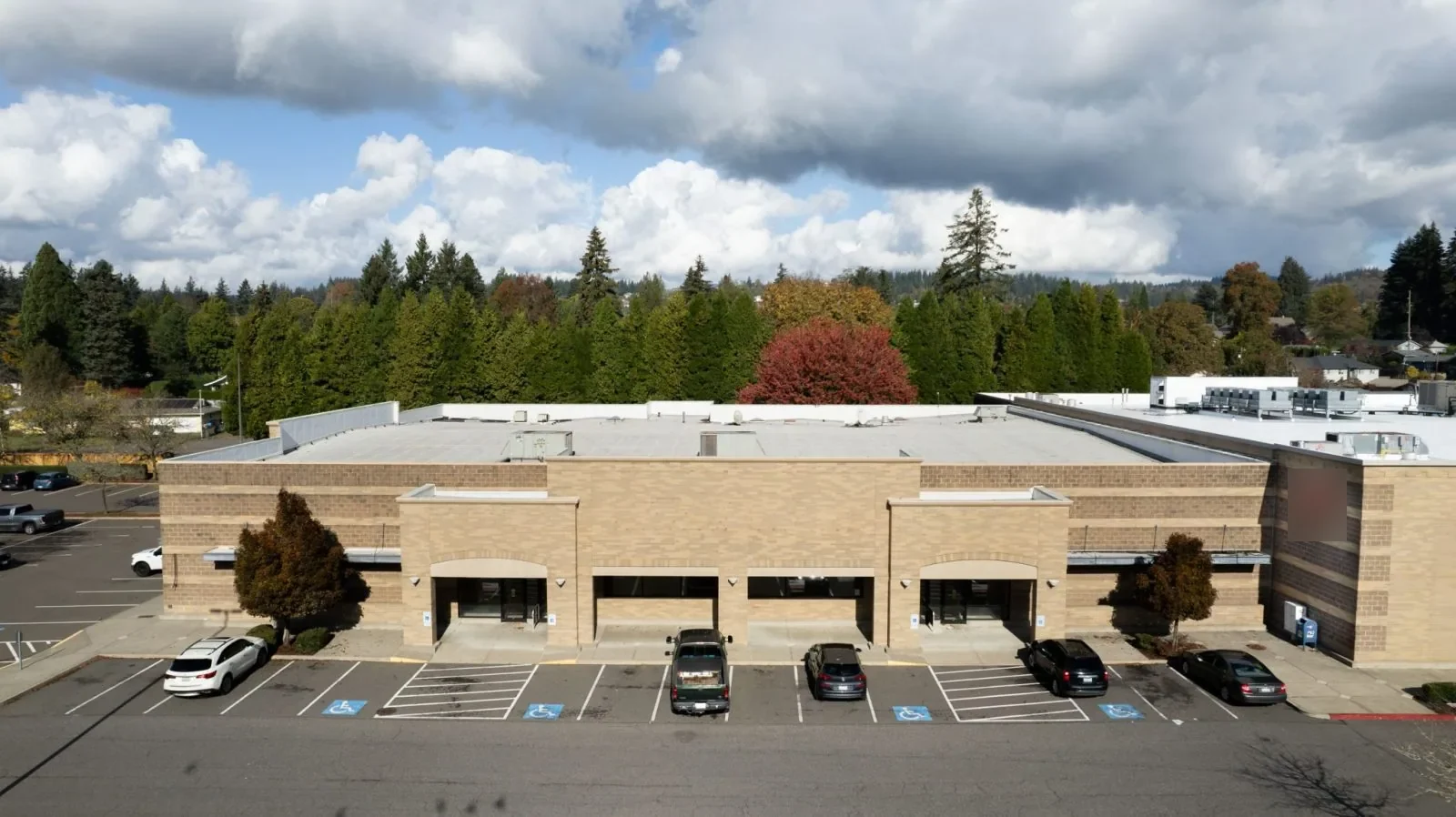
National Guard armory roof inspection and repair near Johns Creek, GA, with readiness schedules, access controls, and facility-specific reporting.
What must stay available at the armory while roof work proceeds? A readiness center, vehicle bay, equipment room, and administrative area each call for a different access plan. An armory roof assessment starts with the facility function and reported condition, then maps the inspection to a roof zone. We document seams, penetrations, drainage, and any access limit before setting a repair boundary. Dobbins Air Reserve Base southwest of Johns Creek hosts the Georgia National Guard Joint Force Headquarters at Clay National Guard Center, within a multi-service installation where each work area follows its own access process.
What should be checked at an armory roof?
Property Types We Roof from Commercial Roofers Johns Creek.
We review the roof plan, leak report, prior work, facility contact, and entry requirements before inspecting membrane laps or metal joints, curbs, fasteners, drains, scuppers, and edge details. A vehicle or equipment bay may need a different protection plan from an office or training room, but building use does not establish its roof construction. We photograph confirmed findings, record the roof zone, and identify where direct testing is needed to check insulation or deck condition.
Clay National Guard Center is part of the Dobbins installation's Guard presence. The local fact establishes a nearby headquarters and multi-service setting, not a claim about any particular armory's roof or condition. We inspect the actual structure and project documents. A commercial roof inspection can establish the condition map; where visual access is limited, a drone survey can help document visible surfaces before close inspection or testing.
How does readiness activity affect roof access?
Drill dates, training periods, vehicle movements, supply deliveries, escorts, and badging may affect when crews can reach the roof. We coordinate with the authorized Guard or installation contact and state the entry route, staging location, and daily work window. Each roof section needs a safe stop point with temporary weather protection in place. If access closes before a planned repair is finished, the sequence should show how that area will be secured.
The project plan can also identify areas that must stay ready for unit activity, including vehicle circulation and emergency routes. A military installation roofing scope can record access steps, escort needs, and required inspection points. If the contract documents specify Unified Facilities Criteria for roofing, we match the proposed assembly and attachment to that requirement and flag any field difference before installation. This keeps material selection tied to the project documents instead of assumptions about a facility name. We also ask which access points remain clear for unit arrival, vehicle staging, and scheduled deliveries. The work plan identifies where a lift or debris container can sit without blocking those routes and how the area will be secured at shift end. If the facility moves an activity to another room, the contact can update us before roof work reaches that section.
What conditions justify more than a patch?
A single split flashing or puncture may have a narrow repair limit if surrounding material and attachment remain sound. Recurring leaks across several roof zones, wet insulation, corroded metal, or deck damage can require a broader review. We mark tested areas separately from sections that remain unknown. The estimate should say whether replacement, recover, or repair is supported, how access affects cost, and what concealed condition would require written approval to expand the scope. Where a roof spans vehicle circulation or equipment storage, we identify the protected work area and clear path before removal. A small patch may close one detail without restoring a neighboring edge or drain transition, so we state what the approved repair includes and what it leaves in place. This allows the facility to prioritize work without treating a limited repair as a full renewal.
If water threatens readiness equipment or a vehicle bay, temporary cover may be needed before a permanent proposal is ready. Our emergency response is staffed through nights, weekends, and holidays. We document what was protected, which area remains exposed, and the follow-up needed to confirm the assembly. A urgent roofing response addresses active entry while respecting the installation's access rules.
What should follow a storm report?
After a storm alert, the roof still needs an inspection to establish what happened. We look for displaced edge metal, fastener movement, punctures, open seams, and water entry in the reported building. North and central Georgia can see damaging wind, hail, and tornadoes, but a regional weather report does not establish damage at an armory. We photograph the finding and record any roof area left unchecked because of access or safety conditions.
Rain in the Atlanta climate record spans every month, and hot summer conditions can narrow the safe work period. We confirm current conditions, material limits, and the facility's readiness calendar before removing roof material. When repairs are underway, the crew closes each day's work at a protected boundary. If an installation contact requires a weather update before access, we include that communication point in the project sequence rather than treating it as an informal handoff.
What belongs in the readiness center's roof file?
The record should list the building, roof zones inspected, authorized access used, test results, materials installed, photos, work approvals, and follow-up items. We note temporary repairs and any inspection that could not be completed. Separate files for different buildings prevent a finding at a vehicle bay from being applied to an office or training space without evidence. Closeout should also identify which person received the photos and where the facility keeps the project record. If a recurring issue appears at a roof access hatch or roof-mounted equipment base, we identify the detail and any routine check that would help catch movement or seal failure. The maintenance file should show what the roofer completed and what remains for the facility or another trade. That distinction avoids reopening a repaired roof area without a clear reason. Keep dated photos with the facility plan and closeout record. Store access notes with the next inspection request and facility plan.
Johns Creek Town Center is planned for residential, office, retail, hospitality, and public uses; those commercial areas help locate the service market, not define an armory. A roof condition report can preserve inspection findings and scope limits. If the installation also schedules an Army support building or aircraft maintenance facility, we keep its mission and roof-zone record separate. Johns Creek Town Center is a separate commercial district that helps orient the service market. Access to a Guard facility must be arranged through its authorized contact.
Commercial Roofing Questions
Can roof work be scheduled around drill and readiness activities?
We coordinate the work window with the authorized facility contact and identify the roof zone, access route, and safe end-of-shift condition. The schedule can be adjusted if readiness activity changes the approved route or available hours.
What documents are needed to plan an armory inspection?
Roof drawings, building identifiers, reported leaks, access procedures, project criteria, and prior repair notes help set the inspection scope. We record which areas were reached and any portion that needs a later visit.
Does a drone image establish whether a roof needs replacement?
Aerial imagery can show visible movement or surface conditions, but it does not establish concealed insulation or deck damage. We use close inspection and direct tests where those findings affect a repair or replacement recommendation.
How are temporary storm repairs separated from permanent work?
We list the emergency protection, its location, and any remaining exposure in the visit record. A later inspection confirms the permanent scope and whether the assembly needs testing beyond the visible detail.
Back to Property Types We Roof, or request a roof assessment and call 555-555-5555.