Commercial roofing in Johns Creek, GA
Repairs, replacement and maintenance
Johns Manville Commercial Roofing in Johns Creek, GA
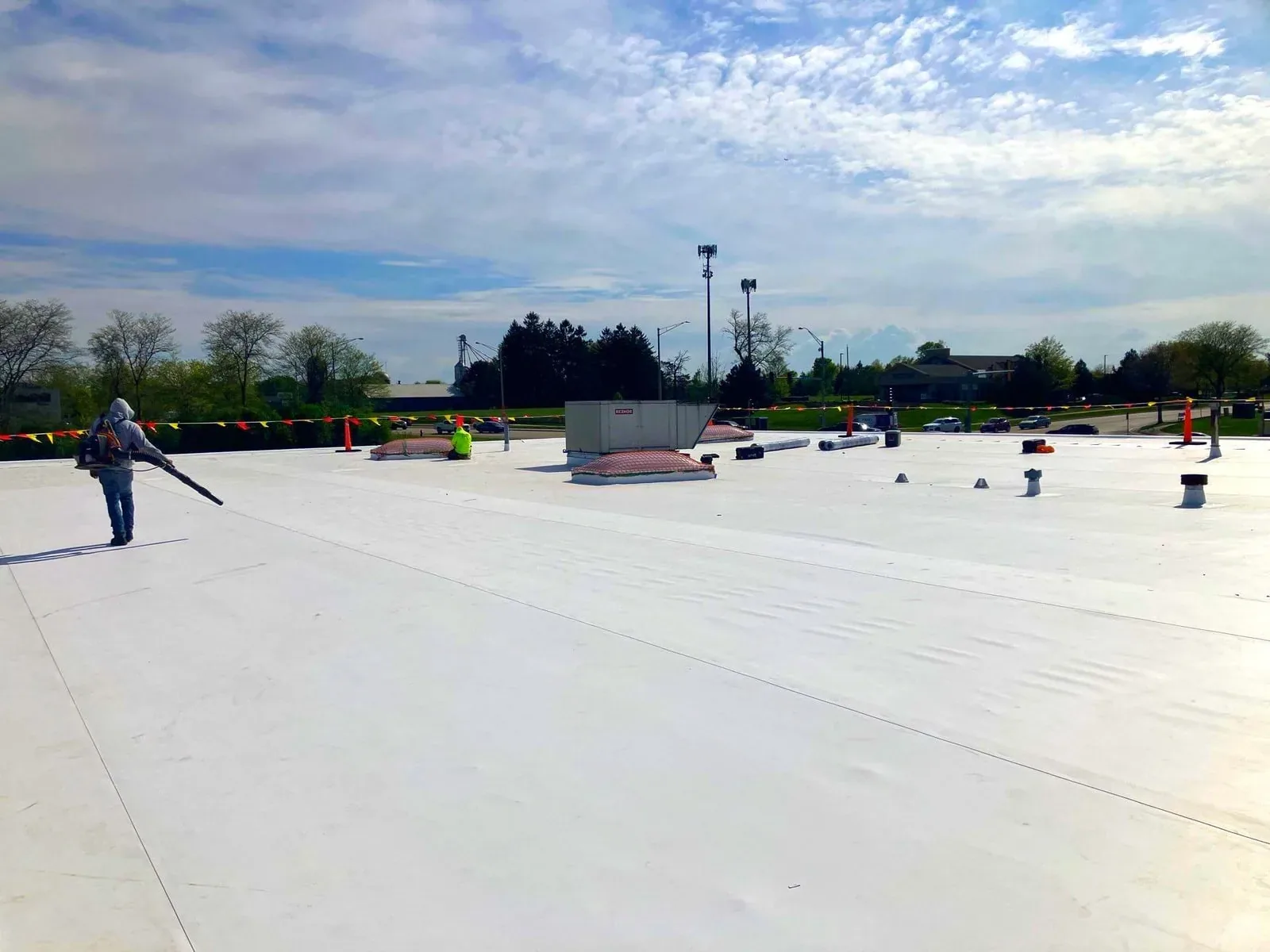
Johns Manville roof inspections and system planning in Johns Creek, GA, with verified assembly details, repair scopes, and documented project requirements.
Does your facility have a Johns Manville roof, or are you reviewing an JM assembly for a commercial project? We identify the installed system, inspect the field condition, and separate confirmed findings from details that still need testing. Johns Manville lists single-ply systems such as TPO, PVC, and EPDM, along with SBS, APP, built-up, coating, insulation, and accessory products. Johns Creek has a varied office, healthcare, retail, and industrial building base; product selection should follow the property and project criteria.
What should be verified about a JM assembly?
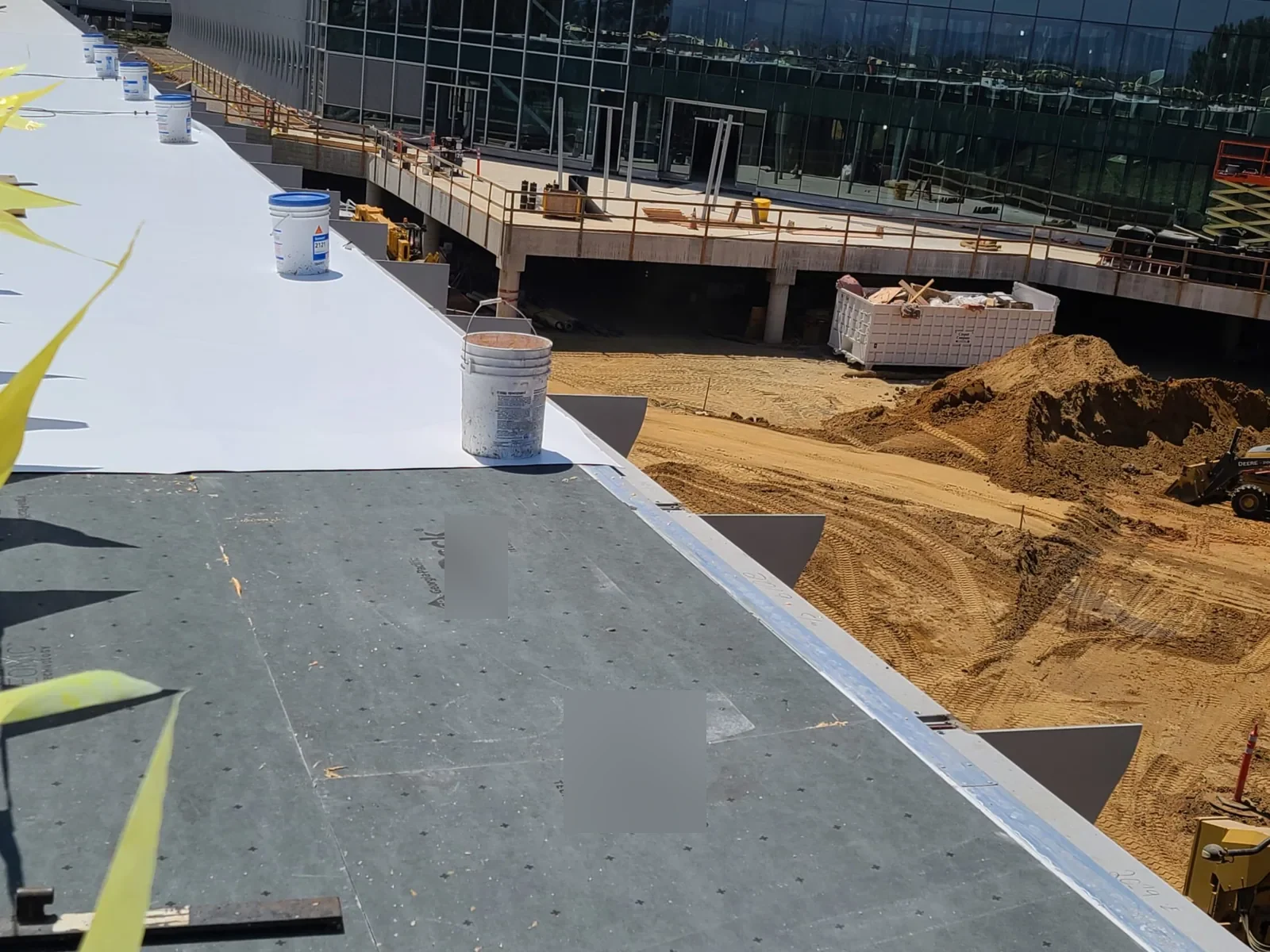
Roofing Manufacturers from Commercial Roofers Johns Creek.
Review roof plans, product data, assembly plates, installation records, repair history, and any warranty documents. Check whether the membrane is adhered, mechanically attached, or part of another assembly, and identify insulation, cover board, vapor control, edge details, penetrations, and drainage. The product label does not reveal all layers beneath the surface. If documents are incomplete, note what can be confirmed on site and whether a test opening is needed.
Johns Manville provides project specifications and installation resources for TPO, PVC, EPDM, SBS, APP, built-up, and liquid-applied systems. Its product literature should be matched to the exact roof assembly and job requirements. A commercial roof inspection can document visible conditions before design or repair decisions. When surface conditions suggest trapped moisture, we can use an infrared moisture survey to map temperature differences and choose test locations; an opening or other confirmation establishes what is inside the assembly.
For JM TPO, the manufacturer describes a reinforced membrane formulation and publishes assembly plates, fastening patterns, details, and installation guides. Those resources can help a project team review wall flashing, fastening, and seam requirements. The field inspection still needs to confirm the installed product, surface condition, and construction history. A TPO system assessment can organize the relevant questions where TPO is present, while other roof types require their corresponding product documentation.
Do not infer that one manufacturer's product is installed from the building's age or color. Older roofs may have been repaired or recovered with materials from another source. If the roof includes several layers, identify each where possible and retain notes about the method used. That helps the owner prepare a repair scope that is compatible with the assembly rather than applying a new detail by brand association.
How should a JM roof condition be documented?
Record the reported symptom, building and roof zone, inspection date, access route, and available service history. We inspect field seams, penetrations, curbs, wall transitions, drains, perimeter metal, and earlier patches. Photographs should show both the detail and its location. State whether the surface was wet, obstructed, or unsafe and identify any area that could not be reached.
If testing is authorized, log the test location, materials observed, result, and how the roof was restored. A condition report should distinguish direct observations from suspected moisture or a possible leak path. If a ceiling stain appears away from the suspected roof opening, record how the inspection traced the water route and where uncertainty remains. A roof condition report can keep the findings, photos, and limits together for facilities review.
Atlanta climate normals show precipitation in every month, and the region can see damaging thunderstorm winds and hail. If an inspection follows a storm, record the event date supplied by the owner and the actual roof details reviewed. The regional hazard profile is not evidence that a particular JM membrane was damaged. Compare observations with prior maintenance records and note any pre-existing repair separately.
Technology Park Johns Creek contains office, industrial, retail, and municipal settings across a broad campus. For a building near Technology Park Johns Creek, identify the facility and roof section rather than relying on the district name. Access and tenant operations can differ even within the same employment area.
How should a repair or replacement be scoped?
A proposal should state the existing JM product where confirmed, roof zone, measured work, preparation, replacement material, flashing transition, attachment, and test or closeout requirements. If an existing patch or coating affects adhesion or welding, identify how it will be removed or tested. If concealed materials may change the scope, include a defined allowance and request approval before extending removal.
A commercial roof repair can address a localized defect when the adjacent assembly is suitable for a tie-in. A broader replacement evaluation can be considered if deterioration, wet materials, or repeated failures extend beyond a limited repair. The report should show why each option is being considered and which parts of the roof remain untested.
Installation documents may specify fasteners, adhesives, seam methods, substrate preparation, and temperature conditions. Follow the documents applicable to the actual product rather than reuse a generic detail. If the project changes the roof assembly or attachment, owner and design team should review the proposed configuration before work begins. A later equipment trade should be assigned its own roof interface and closeout so penetrations are restored correctly.
The owner's warranty document, if present, should be checked before alterations or repairs. Coverage depends on the terms and project conditions in that issued file. The owner can request manufacturer direction where required. We describe the roof condition and work performed but do not decide whether a particular item is covered.
How do local property conditions affect the work?
The city's commercial base includes healthcare and life-science firms, industrial properties, retail, and offices. Johns Creek has more than 700 professional, scientific, and technical services firms. Those uses may create different access, equipment, or operating constraints, but they do not identify a specific roof assembly. Provide the site contact and building plan for the property under review.
The State Bridge and Medlock Bridge junction is a commercial revitalization area that includes Medlock Crossing among its retail properties. For a roof project in that part of Johns Creek, confirm the actual building entrance, roof access, operating hours, and staging approval before scheduling. The district helps orient the visit; drawings and field conditions set the work boundary.
A project could also use Carlisle SynTec or SOPREMA products as an alternate assembly. Compare specified membranes, insulation, attachments, flashing, accessories, and documentation requirements in the complete submittal. Manufacturer labels alone do not establish equivalent details or warranty terms.
What JM project records should be retained?
Keep the system identification, product data, assembly detail, roof plan, photographs, tests, repair scope, material records, and completion information. Note areas not included and any item that remains open. If the work changes an existing assembly, retain the approved detail and identify the person who accepted the change.
A roof asset management file can track inspection dates, repairs, and document gaps. A manufacturer resources index can help facilities teams organize product information across a portfolio, while each property's records remain separate. For service in Johns Creek, send the roof plan, known product, repair history, and access rules so the field visit can be prepared.
We can review the documents supplied, inspect accessible roof areas, and report findings and limits. The owner can use that record to request pricing, additional testing, or manufacturer review where the project requires it.
Commercial Roofing Questions
Does Johns Manville make more than TPO roofing?
Yes. Its commercial portfolio includes TPO, PVC, EPDM, SBS, APP, built-up, and liquid-applied systems. The building record and inspection identify which one is installed.
Can you use a JM TPO detail on every Johns Manville roof?
No. Details are system- and product-specific. Confirm the membrane, assembly, substrate, attachment, and project requirements before applying an installation instruction.
What should be provided for a JM repair estimate?
Roof plans, product records, prior repairs, leak reports, access rules, and the requested schedule help define the work. Field testing may be needed where layers or moisture are uncertain.
Can a roof report establish warranty coverage?
No. The report documents field observations and work limits. The issued warranty and its administrator determine how a coverage question is handled.
Back to Roofing Manufacturers, or request a roof assessment and call 555-555-5555.