Commercial roofing in Johns Creek, GA
Repairs, replacement and maintenance
SOPREMA Commercial Roofing in Johns Creek, GA
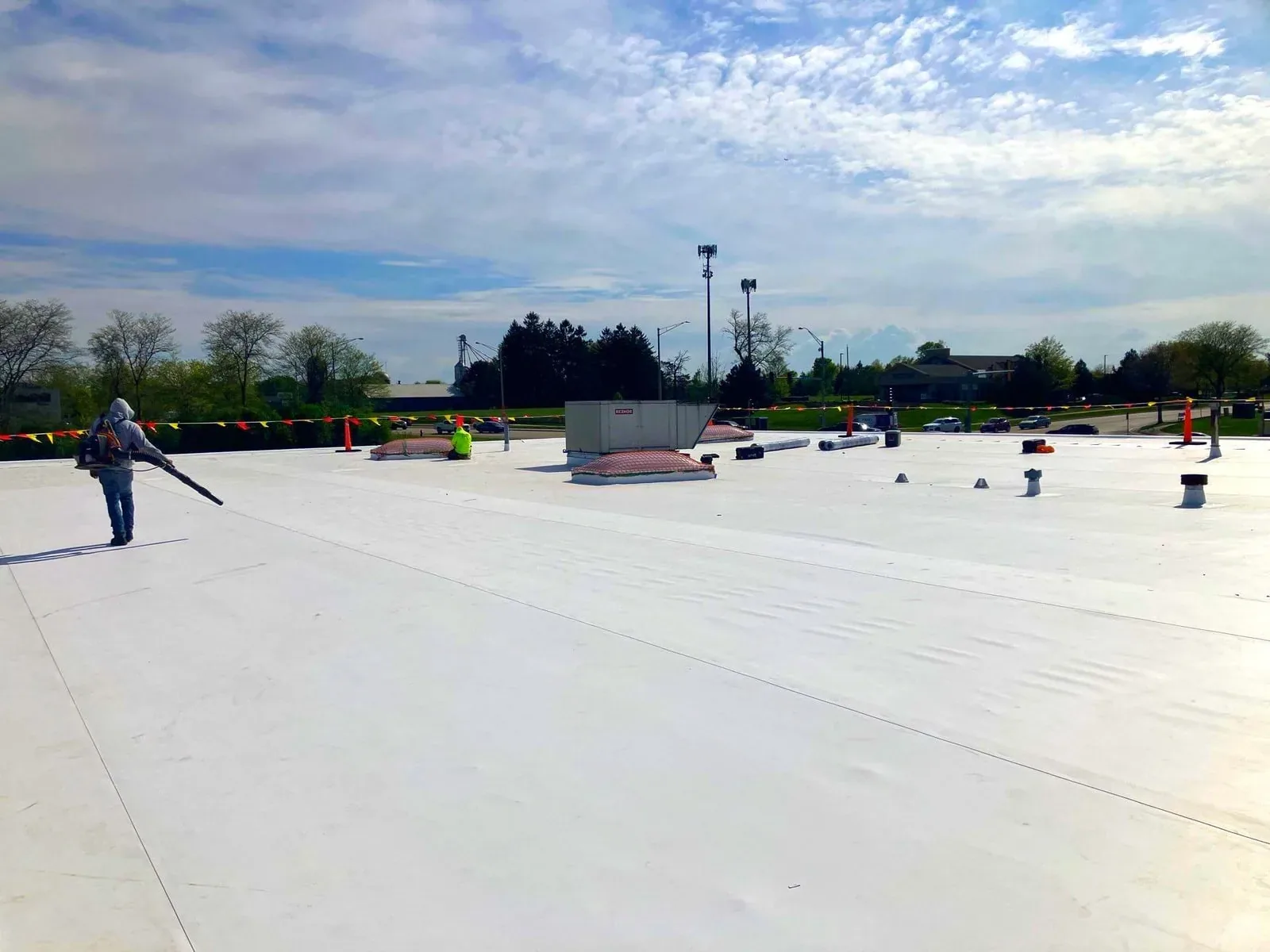
SOPREMA commercial roof inspections in Johns Creek, GA, with material identification, substrate checks, and repair planning for each roof zone.
Does the roof file list SOPREMA, or does the property have a surface that only looks like one of its systems? The first step is to identify the actual assembly and substrate. SOPREMA's commercial products include modified bitumen, PVC, and liquid-applied systems, each with different preparation and installation demands. For PVC comparisons, review the Sika Sarnafil PVC range and Duro-Last membrane systems against the confirmed project requirements. A Johns Creek property needs an inspection record tied to its roof plan, not a product family inferred from a coating color.
Which SOPREMA product and roof assembly are present?
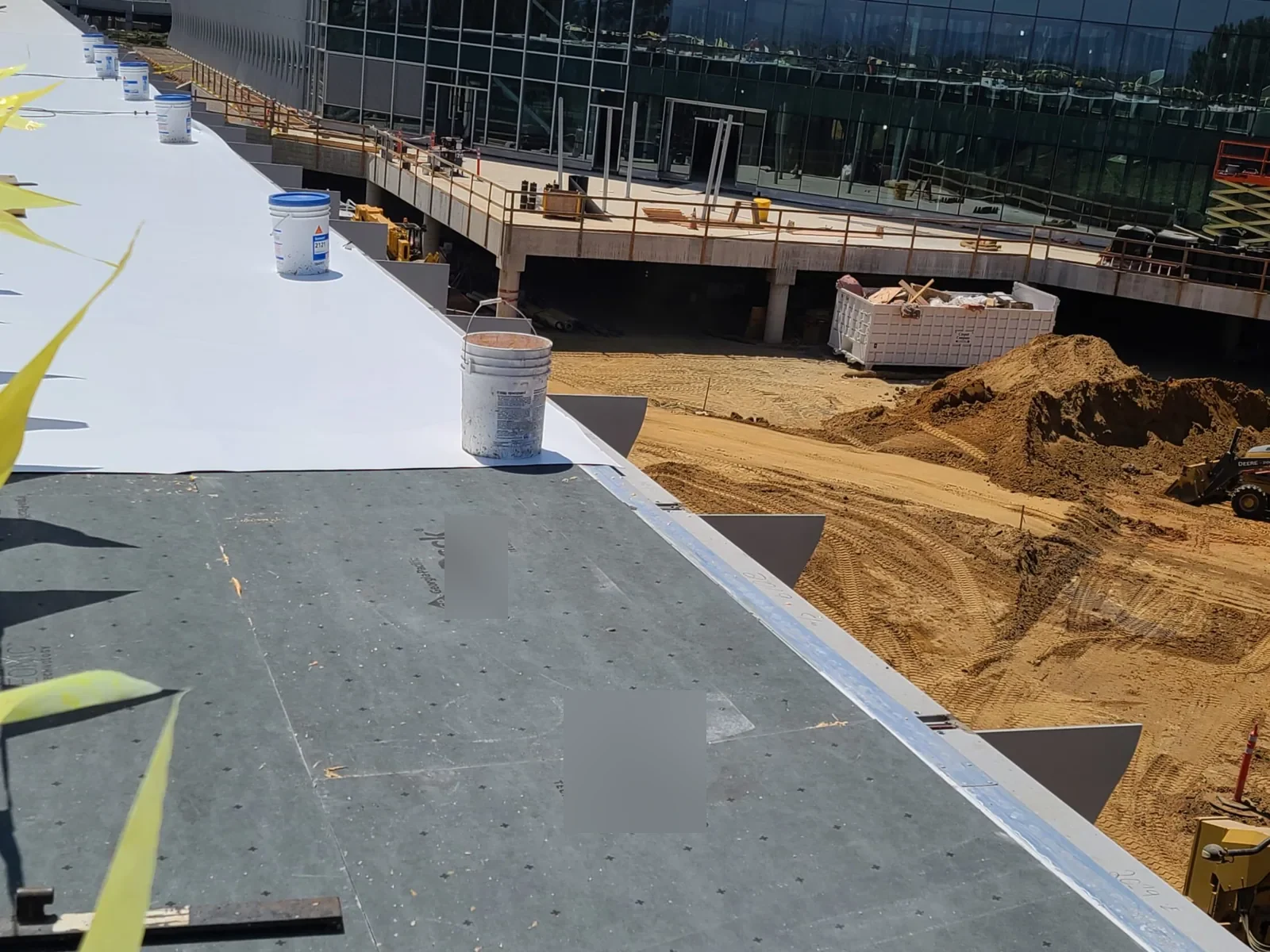
Roofing Manufacturers from Commercial Roofers Johns Creek.
Review project submittals, product labels, installation documents, warranty records, and prior repair tickets. Compare those files with what is visible at the field, laps, flashings, drains, curbs, and perimeter. A modified-bitumen assembly may use multiple plies and surfacing; a PVC system depends on membrane and seam details; liquid-applied products rely on substrate preparation and specified film build. Record the material where confirmed and leave an open item where the evidence is incomplete.
SBS and APP modified-bitumen products are installed as part of a specified assembly, not as an interchangeable roll. Confirm the base and cap sheets, reinforcement, surfacing, attachment or application method, and transitions. If torch application is included in the original specification, the building's fire-safety requirements and work controls must be understood before any repair is planned. A modified-bitumen roof inspection can identify the layers and details that affect a repair boundary.
Liquid-applied products such as Alsan PMMA or PMA require attention to compatible substrate, primer, reinforcement, resin, and cure conditions. Inspect for contamination, loose coating, trapped moisture, and movement at joints before specifying another layer. Product data may limit temperature, moisture, or recoat timing. A coating that appears continuous from above may still conceal a failed interface underneath. When the assembly is uncertain, test a small representative area before pricing full restoration.
Before choosing materials, establish the deck, insulation, layer count, drainage, and perimeter geometry. If a recover is proposed, confirm that existing materials can remain and accept the new attachment or bond. A commercial roof inspection can map conditions and identify where a test opening or adhesion check is needed.
What can compromise a coating or membrane repair?
Adhesion problems often begin before the new material is applied. Dirt, chalking, oil, old sealant, moisture, or a weak existing coating can prevent the specified bond. We inspect and prepare a representative area, check compatibility, and record the substrate condition. For liquid systems, include the primer and reinforcement details where required; for sheet membranes, inspect the seam and the material that will receive the tie-in.
On an existing coated roof, identify coating type and condition before adding another layer. A silicone coating evaluation and an acrylic coating review may require different compatibility checks. The roof should be divided into areas with sound, questionable, and failed adhesion rather than assigned one overall condition. If water has moved beneath the coating, surface preparation alone will not resolve the cause.
Cracks at seams, curbs, walls, and expansion joints need inspection beyond the exposed coating film. Check whether movement is active, whether the detail has backing or reinforcement, and how water drains away. At roof penetrations, a flashing inspection can establish if the transition or the field material is the source. Record the failure point and what was opened or tested so a proposed repair has a defined boundary.
When does restoration stop making sense?
Coating or liquid restoration may be appropriate when the existing roof is stable, dry enough for the specified materials, and prepared to receive them. The scope should state cleaning, repairs below the new surface, primer, reinforcement, application area, and the required finished thickness or coverage. Make clear how drains and penetrations will be treated. A roof coating restoration plan needs inspection evidence behind the selected repair extent.
Replacement should be evaluated when adhesion is poor across large areas, repeated water entry remains unresolved, or the underlying assembly has wet insulation or deteriorated deck. A replacement assessment should compare removal, recovery eligibility, insulation, drainage, perimeter details, equipment, access, and dry-in. If localized repairs remain viable, a commercial repair scope should state its tie-in and testing method. Cost comparison is useful only when each alternative covers the same roof areas and assumptions.
Modified bitumen, PVC, and liquid-applied assemblies have different seams and transition details. The repair material must be compatible with the confirmed system and substrate. If a new system is considered, compare the full assembly, not a single sheet or resin. Include project requirements, local code, wind design, fire classification, drainage, and installation constraints in the review. State what will be removed, what remains, and what condition would change the approved scope.
For a Johns Creek roof, regional heat and rainfall affect scheduling but do not establish the condition of one installation. A warm roof surface, recent rain, or a storm alert should trigger an on-site check of actual substrate and weather conditions. Follow the product data for mixing, application, and cure. Separate temporary leak control from permanent restoration so that a short-term measure does not become an undocumented layer beneath the final work.
How do local operations affect access and cure time?
Atlanta climate normals show precipitation in every month, and hot summer days can change rooftop work conditions. For liquid products, check actual surface temperature, moisture, and the manufacturer's cure limits before application. Plan the work area so it can be protected from an unexpected shower and left undisturbed for the required period. The day’s work window should be based on the roof conditions and product instructions, not on an assumption that a dry forecast makes the substrate ready.
Technology Park Johns Creek spans more than 500 acres and includes low- and mid-rise offices, industrial uses, retail, and community facilities. Each building can have separate roof access, tenants, mechanical areas, and material staging limits. For an inspection near Technology Park Johns Creek, identify the exact structure and approved route. The business park is a useful area reference, but it does not substitute for a property-specific roof plan or work permit.
The 21-acre Medlock Crossing retail center occupies Johns Creek's State Bridge-Medlock Bridge commercial revitalization area. Retail traffic and deliveries can affect material access, yet the individual property manager sets the work limits. If the project is near Medlock Bridge Road near Medlock Crossing, confirm loading hours, roof hatch control, tenant notices, and where the crew can stage. These details matter when resin or hot materials need to be moved promptly and protected from weather.
What should be in the SOPREMA closeout?
Keep the inspection photos, product designation, substrate findings, test locations, preparation method, materials, application records, and final condition together. For a liquid system, record the areas treated, reinforcement details, and cure or return-to-service timing. For modified bitumen or PVC, retain the applicable layer and seam details. Identify any zone not inspected or not included in the work.
Retain the issued warranty with the approved scope and completion record. If the assembly changes during work, note the accepted detail and who approved it.
Each building needs its own product file and inspection record. A coating or membrane verified at one property should not be assumed at another. Send the roof plan, prior work record, product details, access limits, and decision timeline to begin a Johns Creek review.
Commercial Roofing Questions
Can SOPREMA liquid-applied material go over an existing coating?
First identify the coating and test a representative area. The substrate must be sound and compatible with the primer, resin, and reinforcement. Weak adhesion below the film can make another layer unsuitable.
What should an owner check before a coating restoration?
Confirm the roof's drainage, substrate, existing coating, test results, preparation, primer, reinforcement, application limits, and cure requirements. The scope should name repairs beneath the coating and describe how drains, edges, and penetrations will be finished.
Does a storm alert establish damage to a SOPREMA roof?
No. Inspect the actual building, checking edges, flashings, seams, punctures, and interior reports. Separate fresh observations from older maintenance needs.
When should a modified-bitumen roof be replaced?
Consider replacement when failures are widespread, moisture or deck damage extends beyond local repairs, or the assembly cannot accept a dependable tie-in. The evaluation should establish layer count, substrate, drainage, insulation, and perimeter requirements before comparing replacement with another repair cycle.
Back to Roofing Manufacturers, or request a roof assessment and call 555-555-5555.