Commercial roofing in Johns Creek, GA
Repairs, replacement and maintenance
Duro-Last Commercial Roofing in Johns Creek, GA
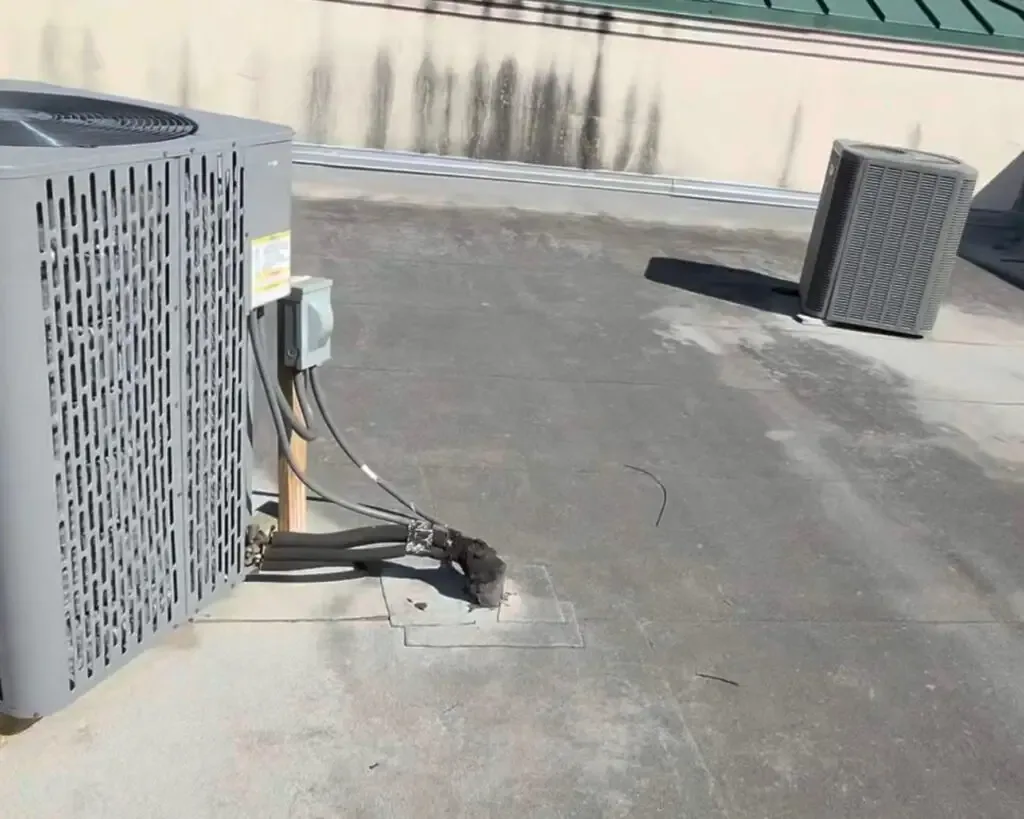
Duro-Last PVC roof inspections and repair scopes in Johns Creek, GA, with field checks for seams, prefabricated details, and system transitions.
Does the closeout file identify a Duro-Last PVC system? Confirm the sheet, prefabricated components, attachment, and field seams against the roof itself before planning work. Factory-cut pieces can reduce some field fabrication, but they do not confirm that every installed transition remains sound. In Johns Creek, the inspection should tie each finding to the actual building, roof plan, and accessible zone.
How do prefabricated pieces change the inspection?
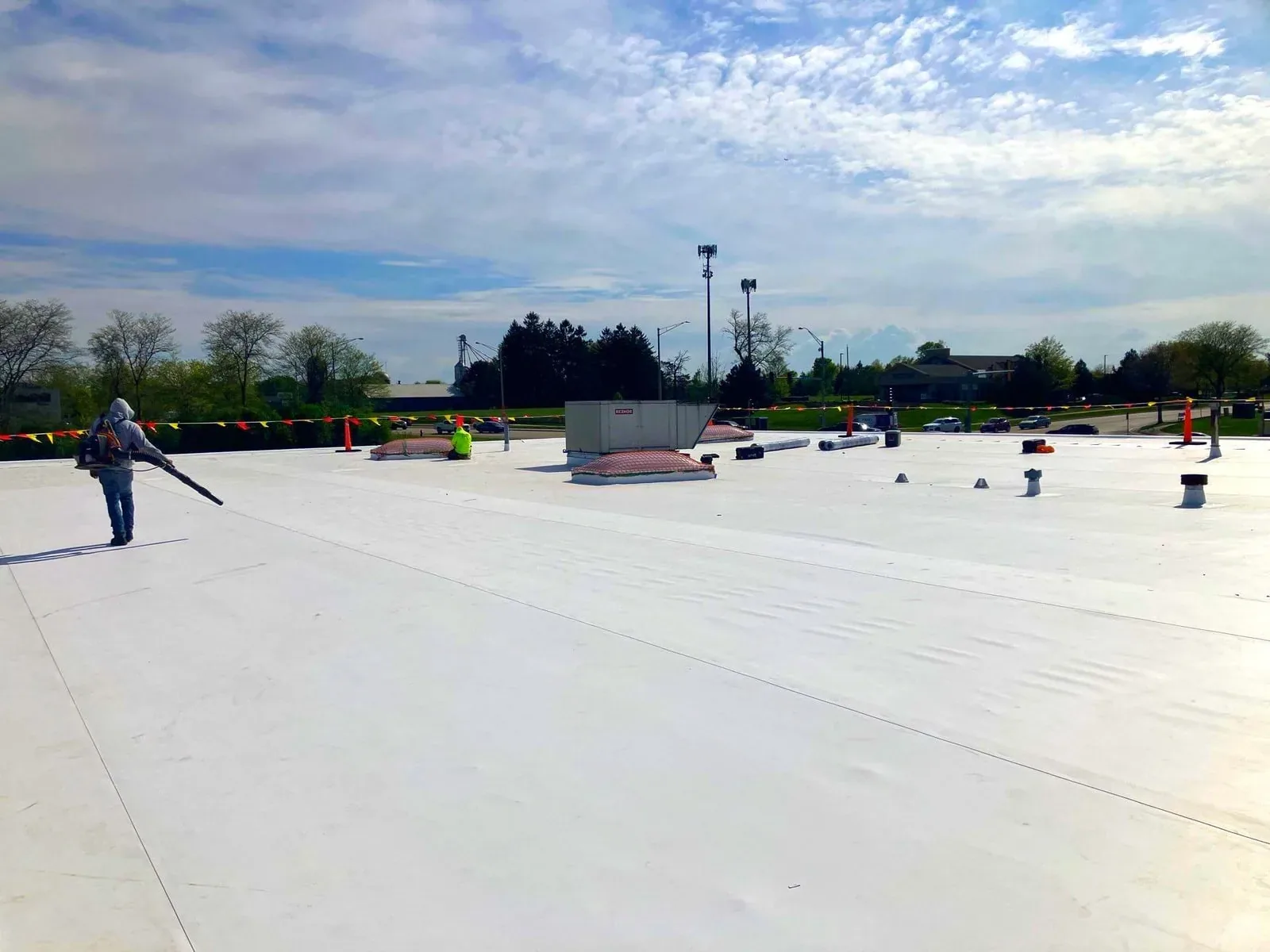
Roofing Manufacturers from Commercial Roofers Johns Creek.
Duro-Last is known for PVC roofing with custom-fabricated membrane and accessories. The project file may include shop drawings or a roof-specific takeoff for corners, curbs, drains, and other details. Compare that package with what is installed. Verify the membrane designation, field layout, attachment, seam method, and any later work by other trades. A fabrication plan is a useful record, but the completed roof still needs a field inspection.
Trace the perimeter, penetrations, rooftop equipment, drains, and expansion joints. Look for gaps between factory pieces and field sheet, wrinkles that stress the weld, open corners, or sealant placed over a transition. A PVC roof system review can distinguish membrane condition from a detail that needs repair. The inspection should show the exact point where the factory-fabricated part meets field-installed material.
Hot-air welding requires sound, clean surfaces and the right preparation and settings. Inspect the seam edge and probe representative locations when appropriate. A test weld can show whether an older sheet remains weldable before the repair quantity is priced. If prior repairs used another PVC product or a coating, test compatibility rather than relying on appearance. A commercial roof inspection can map seams and identify areas where direct testing is warranted.
Which details deserve a closer field check?
Start with the reported leak and follow the roof geometry around the nearest curb, wall, seam, and drain. The water entry point may sit away from the interior stain, so record the evidence that links a roof detail to the report. Photograph the whole roof zone, then the specific joint or flashing. Mark both on the plan. If the repair area cannot be located from the closeout record, its result will be difficult to verify later.
Inspect corners and irregular transitions where multiple fabricated components join. A split at one corner can admit water even while the broader membrane remains intact. Check weld edges, skirt height, termination bars, sealant, and whether a mechanical contractor recently changed the equipment. For a curb or penetration concern, note which trade controls the equipment and who will approve access before a flashing detail is opened.
Field service traffic can damage walk paths and increase wear around rooftop units. Check ladder landings, service routes, drain bowls, and any location where hoses or cables cross the sheet. Debris or water at a drain should be recorded separately from a seam or flashing defect. If the roof holds water after rain, measure the affected zone and inspect the outlet and surrounding membrane before assigning a cause.
What makes a Duro-Last repair complete?
A repair should identify the confirmed defect, the affected membrane, preparation, compatible material, seam dimensions, flashing transitions, and method for checking the finished weld. Include photos before and after, plus the exact roof zone. If an accessory is replaced, state which piece and how it ties to the field sheet. If the replacement depends on a special fabrication or measurement, record the order detail and approval point before removing the existing part.
A commercial roof repair can address a local split, puncture, or failed transition when adjacent materials are suitable. If several failures appear across the assembly, compare the cost and disruption of repeated repairs with a replacement evaluation. The larger review should consider insulation, deck, drainage, edge conditions, rooftop equipment, access, and whether the existing layers can remain.
Recover work needs more than a product selection. Verify the deck and attachment, layer count, moisture, perimeter capacity, and termination heights. If the existing membrane has different patches or additions, confirm how the new assembly will connect and whether each area is compatible. A scope allowance should describe what hidden condition could trigger added work and who authorizes it.
If water is active, temporary protection may be required before a permanent detail can be fabricated or scheduled. Identify the area protected, material used, installation date, and limits of the temporary measure. The permanent scope should not assume that the temporary patch defines the full repair. A clear handoff names any mechanical or electrical work needed before a roof opening can be restored.
How do local properties affect roof access?
Technology Park Johns Creek contains low- and mid-rise offices, industrial properties, retail, and community facilities. Work requirements can vary from one roof to another, even within the same business park. For a visit in Technology Park Johns Creek, identify the building, roof hatch, loading route, mechanical restrictions, and contact responsible for access. The district's mix does not establish the roofing system at any one property.
Johns Creek Town Center is planned for retail, restaurants, a hotel, office space, and housing. Medlock Crossing is a separate 21-acre shopping center at the State Bridge and Medlock Bridge intersection. For either area, confirm the property's own name, entrance, delivery rules, and access contact before mobilizing.
Atlanta climate normals show rain in every month, and severe-weather conditions across north and central Georgia can include hail, damaging winds, and tornadoes. After an event, inspect the actual PVC sheet, seams, flashings, and perimeter; a regional warning alone does not establish damage. At any time of year, keep the daily work boundary small enough to protect and close before the conditions change. Record any roof area that could not be reached because of weather, equipment, or site restrictions.
Some Duro-Last work may require an order based on dimensions and selected components. Confirm measurement access, lead time, delivery staging, and whether a field condition has changed since the original plan. A phased occupied-building plan can state how rooms, tenants, service routes, and weather protection are handled while each zone is open. Agree on the daily handback with the facility contact.
What belongs in the Duro-Last roof file?
Retain the product designation, shop drawings, roof plan, inspection photos, seam tests, repair material, and completed scope. Mark which prefabricated pieces were inspected or replaced and where the field tie-in occurred. Keep a list of zones excluded from the visit and any condition requiring follow-up. If a warranty file exists, retain its issued terms and review requirements alongside the closeout record.
When comparing products, a property team may also evaluate Sika Sarnafil PVC or Holcim roof assemblies. Use the building's actual design criteria, substrate, drainage, attachment, perimeter, and project documents. A manufacturer's product category does not establish equivalence between systems or a particular warranty result.
For a group of buildings, keep each product record and roof condition separate. A roof asset record can track inspection dates and open repairs without merging the details of one site with another. Send the roof plan, product file, leak location, access limits, and decision timing to arrange a Johns Creek inspection. The report can show what was confirmed and what remains to be tested before a broader scope is priced.
Commercial Roofing Questions
Do factory-fabricated details eliminate field seam risk?
No. They can reduce some field cutting, but each installed joint still needs to be inspected. Check the welds, corners, terminations, and points where a prefabricated piece meets the field membrane. A test weld may be useful where older sheet is part of the repair.
What roof records help with a Duro-Last leak?
Provide the roof plan, shop drawings, product label, repair history, leak location, and access rules. Photos should identify the detail and its roof zone. Include records for recent mechanical work at a curb or penetration.
Can a Duro-Last repair use a different PVC sheet?
Confirm compatibility and weld performance before mixing products. Membranes can look similar while differing in formulation or installation requirements. A representative test and the applicable product instructions should guide the tie-in decision.
When is replacement worth comparing with repair?
Compare replacement when failures recur across multiple zones, seam integrity is broadly weak, or moisture and deck conditions extend beyond local repairs. The review should verify layers, insulation, drainage, edges, equipment, and recover eligibility before costs are compared.
Back to Roofing Manufacturers, or request a roof assessment and call 555-555-5555.