Commercial roofing in Johns Creek, GA
Repairs, replacement and maintenance
Commercial Roof Warranty Management in Johns Creek, GA
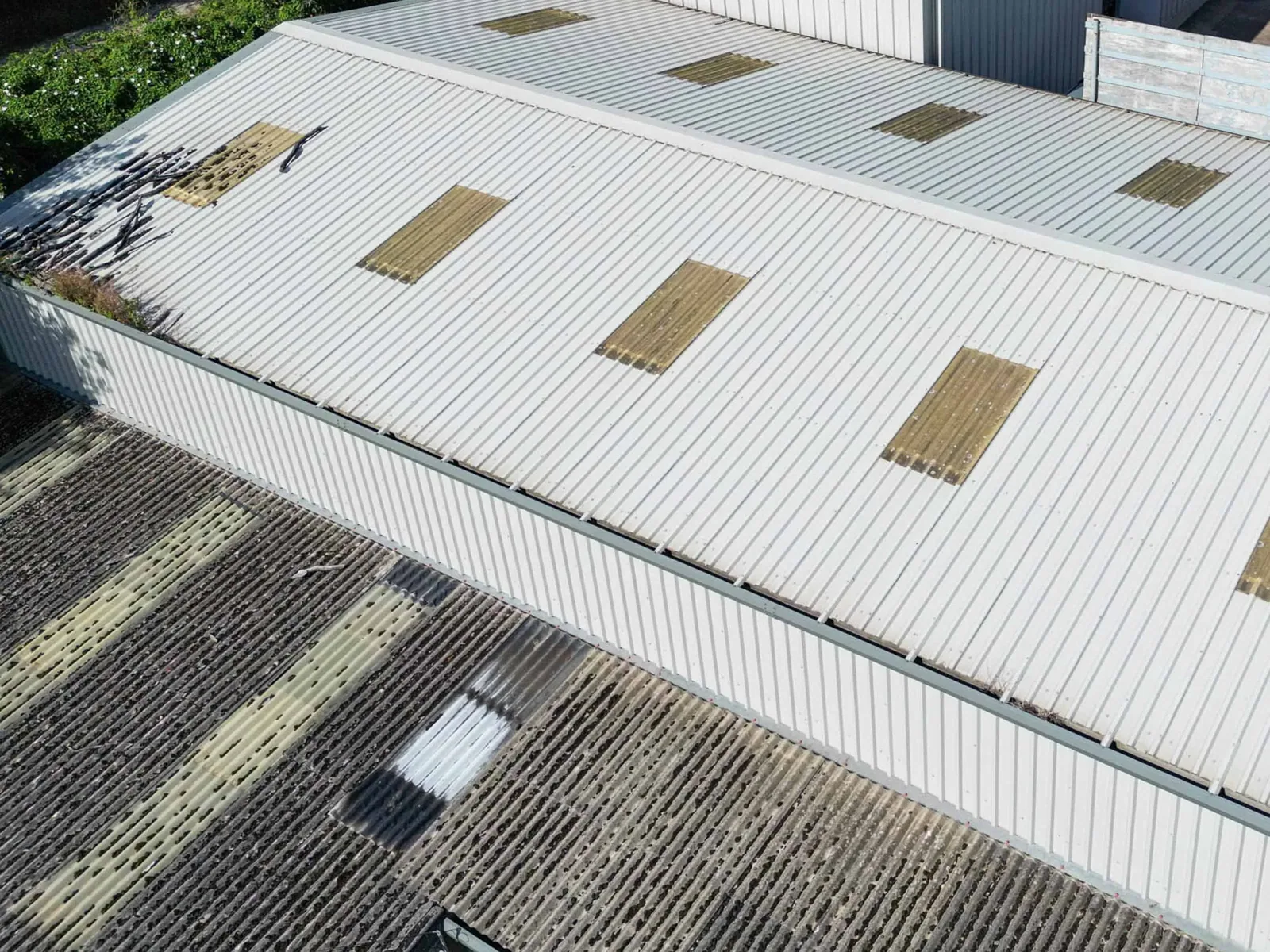
Roof warranty records and maintenance coordination in Johns Creek, GA, with document tracking, inspections, and clear building-level history.
Do you have a roof warranty document but lack a clear record of inspections, repairs, or required maintenance? Warranty management starts with the issued terms and the building's service history. We help organize roof records and document field conditions without interpreting coverage beyond the supplied documents. Johns Creek's Technology Park includes office, retail, industrial, and municipal properties, and owners may manage several facilities across Alpharetta, Suwanee, and Roswell. Each warranty file should remain attached to the property and system it covers.
What should the warranty file contain?
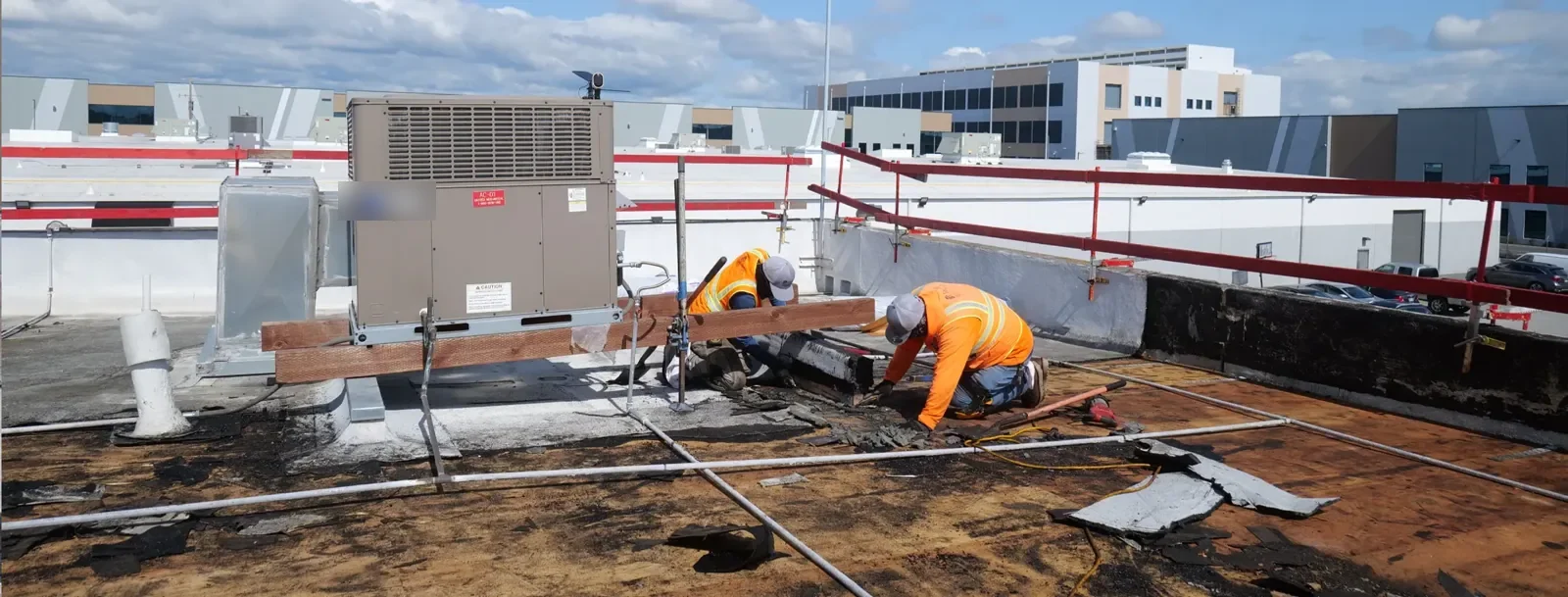
Roofing Capabilities from Commercial Roofers Johns Creek.
Keep the executed warranty, roof plan, system description, installer and manufacturer contacts if listed, closeout documents, repair invoices, inspection records, and any written approval for later work. Record the building name, roof area, issuance date, term as stated in the document, and any conditions the owner needs to track. If a copy is incomplete, mark what is missing and request the issued version rather than assuming terms from a proposal.
A roof condition report can preserve the date, photos, observed conditions, and testing limits for a site visit. A commercial roof inspection can document current roof details and open questions. The warranty itself controls the applicable requirements. We can identify the documents reviewed and work completed, while the owner or manufacturer determines whether a proposed repair needs prior approval.
At a multi-building campus, label which roofs share a warranty and which have separate systems or issue dates. Technology Park Johns Creek spans nearly six million square feet of office and industrial development, along with other uses. A facilities team may manage several assets in the area, but that does not mean each roof has the same warranty. Keep separate product information and closeout records for every building and roof section.
When ownership or management changes, transfer the warranty file with maintenance records and contact information. If the roof system was altered after installation, preserve the scope, date, and approving party. A new manager should be able to trace what changed and whether the issued document requires a notification or review.
How can maintenance records support warranty administration?
Use the requirements in the actual warranty document to build a maintenance schedule and assign a responsible contact. Record each visit's date, roof areas reviewed, observed debris or drainage issues, photographs, and work performed. If a task could affect the roof assembly, identify the contractor and retain the approved scope. The record should state which sections were reached and any area that remained inaccessible.
A preventive roof maintenance visit can address items included in an approved scope. The visit does not replace manufacturer inspection conditions unless the warranty says it does. If a possible defect is found, document the location and follow the process stated in the issued documents. A roof asset register can track inspection dates, document gaps, and follow-up tasks across properties.
Atlanta's climate normals record precipitation in all months, so keep notes on drains, overflows, and recurring water reports. For a specific roof, the maintenance file should show the outlet inspected, condition found, and correction made if authorized. Keep the record tied to the inspected roof and the issued warranty.
If a leak occurs, record the first report date, affected room or area, temporary protection, and any related contractor visit. Avoid making repairs that conflict with the document's stated notification or approval process. When immediate protection is needed, the owner can follow its emergency procedures and retain a clear record of the work performed and any manufacturer contact.
What should happen before a roof alteration?
Review the warranty terms and project documents before a new penetration, equipment change, overlay, coating, or major repair. Identify which party can approve the work and what product, installer, or inspection requirement applies. If the document is unclear, request written direction from the manufacturer or issuer. We can describe the proposed roofing work and technical interface; the owner routes warranty questions through the named party.
When a repair is authorized, define the roof area, materials, preparation, attachment, and completion record. Photograph the condition before work, document what was removed, and retain closeout images. If concealed damage changes the planned scope, record the discovery and approval before proceeding beyond the original boundary. A commercial roof repair scope can provide the work details for that review.
For a system-specific question, use the product named in the warranty. Links to GAF or Carlisle SynTec manufacturer information can help identify the relevant supplier, but a general product page does not replace the issued warranty. The owner should verify the correct manufacturer, assembly, project date, and contact before requesting a decision.
If work is performed by a separate mechanical or electrical contractor, define who is responsible for restoring the roof detail after equipment work. The owner's project manager should retain the trade scope and any required inspection report. Clear boundaries help avoid a situation where the roof file shows an equipment replacement but no evidence that the surrounding membrane was restored.
How should a suspected warranty concern be recorded?
Describe the observed condition and location, when it was reported, and what the inspection could confirm. Attach photos, roof plan references, prior repair history, and the document version reviewed. If the suspected cause is not known, state that rather than assign it to a material defect. The issuer or manufacturer makes a coverage determination under the terms that apply.
A property management team may hold maintenance files while a portfolio owner controls capital authorization. Assign who will submit the question, who can approve access or repair, and who retains the answer. That responsibility should be visible in the building record, not inferred from who happened to schedule the last inspection.
How do you organize warranty records across Johns Creek?
Use the building identifier, roof system, issuance date, and responsible contact as the index. Technology Park, Johns Creek Town Center, and Medlock Crossing are useful local references for routing a site visit, but each property's actual warranty file needs its legal owner and covered roof area. A Technology Park Johns Creek visit can be arranged through the facilities contact for the specific building.
For a portfolio with properties in Johns Creek and surrounding cities, a roof asset register can track one digital folder or record per building. A shared index can track expiration dates and open questions, while the original document, maintenance evidence, and approved repair records remain easy to retrieve. If a property changes ownership, record the transfer and confirm whether the manufacturer needs a notice.
What can a warranty tracking review deliver?
A review can organize the documents provided, identify missing records, summarize service history, note the latest inspection, and list open follow-up tasks. It can also name the building contact and the party responsible for a warranty inquiry. It does not change the issued terms or decide whether a condition is covered. Any interpretation or coverage question should be directed to the issuer or qualified advisor.
Send the warranty, roof plan, closeout file, recent repairs, and maintenance logs to begin. We can identify which records are present, which site facts need confirmation, and where an inspection may help describe current conditions. A clear, dated file gives facilities and ownership teams a useful basis for the next service call.
If a project is planned, include its scope and schedule so the owner can check approval steps before mobilization. Keep the resulting direction, completion records, and photos with the property's warranty documents for future reference.
Commercial Roofing Questions
Can you tell me whether the manufacturer will cover a roof repair?
No. The issuer or manufacturer determines coverage under the actual warranty terms. We can document field observations and the work proposed for the owner's review.
What if the warranty document is missing?
Record that the copy is unavailable and contact the owner, installer, or issuer for the executed document. Do not rely on proposal language as a substitute for the issued terms.
Should maintenance records include minor repairs?
Keep a dated record of roof work, location, material, photos, and contractor. The warranty may specify what records or approvals it requires, so follow the document provided for that system.
Can one warranty file cover multiple buildings?
Only if the issued documents identify those buildings and roof areas. Keep each asset's system, issue date, and service history distinct, even when one owner manages the properties.
Back to Roofing Capabilities, or request a roof assessment and call 555-555-5555.