
Commercial roofing in Johns Creek, GA
Repairs, replacement and maintenance
GAF Commercial Roofing Systems in Johns Creek, GA
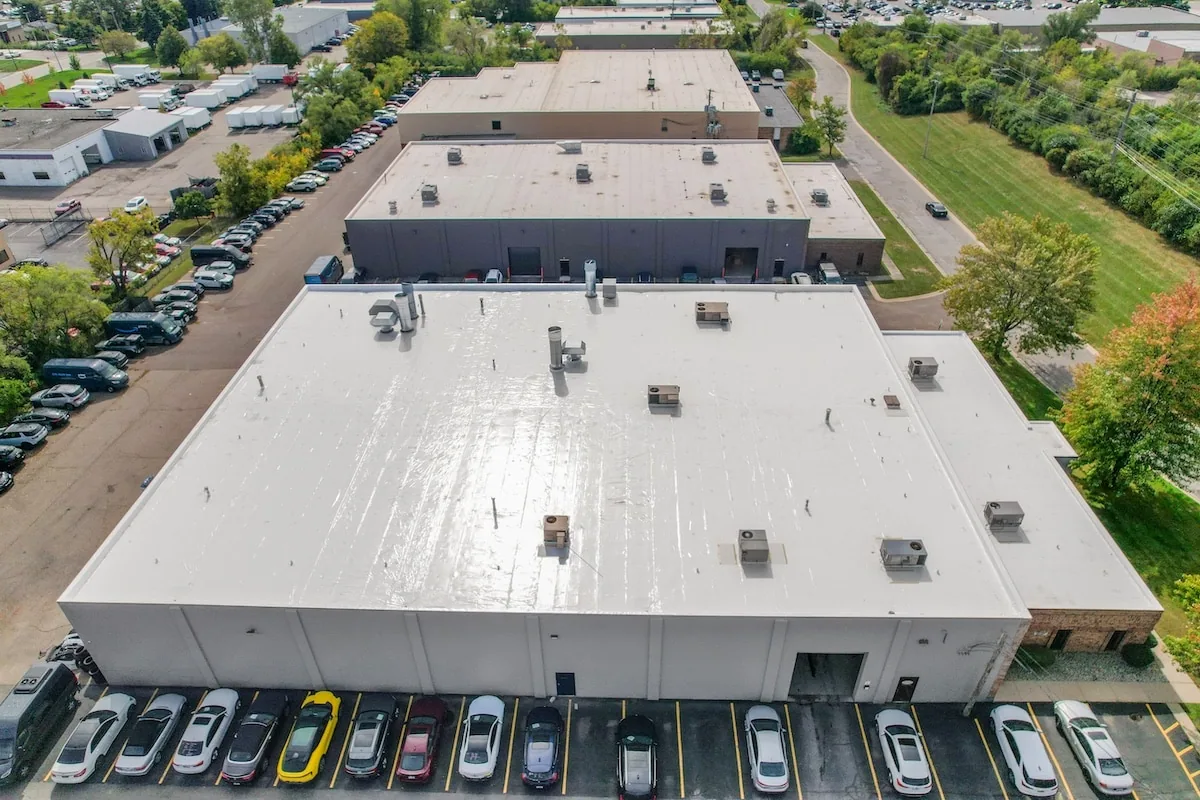
GAF commercial roof inspections and system planning in Johns Creek, GA, with verified product identification, assembly review, and clear scope boundaries.
Does your building have an existing GAF roof, or are you comparing a GAF system with another commercial assembly? We begin by confirming the product and roof construction at the property, then review the condition and project requirements. GAF's commercial portfolio includes single-ply TPO and PVC products as well as asphaltic and coating systems, but the brand name alone does not identify the installed assembly. Johns Creek's Technology Park includes offices, industrial buildings, retail, and healthcare uses; each roof needs its own plan and field review.
Which GAF system is on the building?
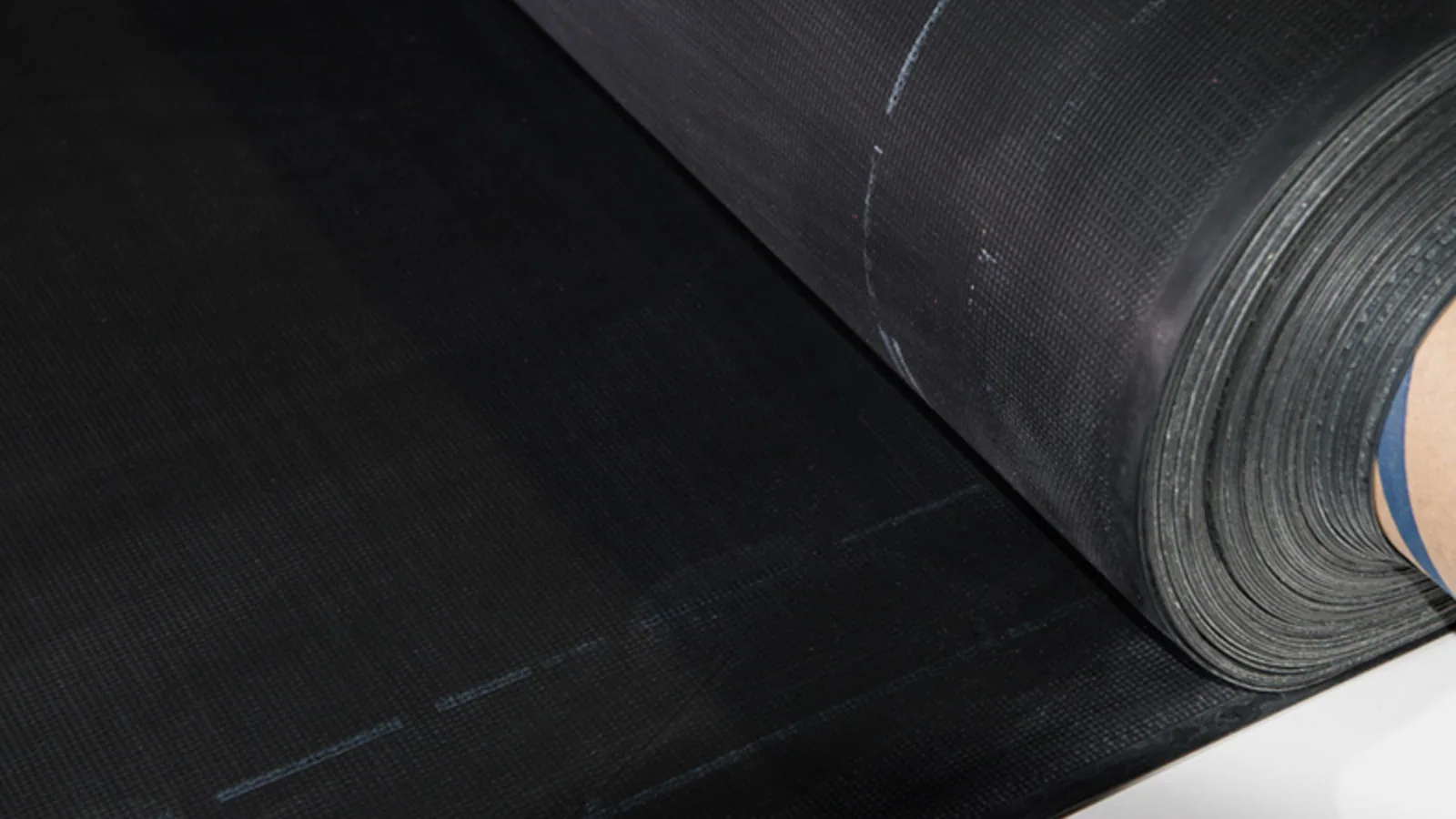
Roofing Manufacturers from Commercial Roofers Johns Creek.
Collect product labels, closeout records, invoices, specifications, and warranty documents before the inspection. We compare those records with visible membrane, fasteners, seams, flashing, insulation, and any recover layers. GAF lists EverGuard TPO, PVC, and PVC KEE membranes, along with accessories and other commercial products. The exact product, thickness, reinforcement, attachment, and approved assembly should be verified from project records or field evidence rather than assumed from a white roof surface.
On a single-ply roof, inspect the membrane seams, perimeter, penetrations, drains, curbs, and patches. A thermoplastic seam can use heat welding, but the field condition and product requirements determine whether a repair can be welded or needs another method. A TPO system review or PVC assembly check can help owners understand the roof type when the installed material is confirmed. We keep the inspection specific to the product and detail observed.
GAF also provides system specifications and project resources for design and installation. For an addition, recover, or replacement, review the exact assembly plate and details against deck, insulation, slope, drainage, fire requirements, and project loads. A document for a similar roof is not a substitute for the selected system's requirements. If the existing assembly is not documented, a test opening may be needed to identify its layers before the scope is finalized.
How should an existing GAF roof be inspected?
Start with the reported symptom, roof zone, repair history, and warranty file. We inspect the visible field, seams, perimeter metal, penetrations, drains, and transitions. A stain inside may be offset from the roof opening, so identify the path supported by the inspection and any area that remains untested. A commercial roof inspection can document the condition by section and identify whether moisture testing or an additional opening is warranted.
If a suspected leak may involve concealed insulation, an infrared moisture survey may help prioritize locations for confirmation. The report records the method and limits. It does not treat a reading as conclusive without the appropriate verification. If a previous patch used an unknown membrane or sealant, record it and check compatibility before proposing a new tie-in.
Near Medlock Crossing and the State Bridge and Medlock Bridge commercial node, retail and mixed-use properties have varied roof access and tenant requirements. For a GAF roof near Medlock Crossing, provide the property name, building plan, roof access procedure, and any recent work record. The district name supports dispatch; it does not tell us the product or condition at the site.
For a repair estimate, document whether the original assembly includes a cover board, how the membrane is attached, and what flashing accessories are present. If the roof has more than one layer, identify that condition before proposing a recover. These details influence fastening, tear-off, insulation replacement, and perimeter transitions. A GAF product name by itself does not define the complete roof assembly or the labor required to restore it.
What should a GAF repair or replacement scope include?
A repair scope identifies the roof zone, existing product if confirmed, measured area, preparation, compatible materials, attachment, flashing transitions, and test or closeout steps. If a concealed condition could expand removal, state the allowance and approval point. The proposal should distinguish a local repair from replacement and list exclusions such as structural work, mechanical changes, or interior restoration.
When a permanent correction cannot be set on the first visit, temporary protection can be documented separately. A commercial roof repair should tie the new material into a sound surface and use a method allowed for the assembly. A replacement evaluation may be appropriate if the existing roof has widespread deterioration or lacks a reliable repair boundary. We explain which findings support each option and what further testing may change the quantities.
GAF system warranties and product requirements vary by assembly and project eligibility. The owner should provide the actual issued document and confirm whether proposed work requires manufacturer review or an approved installer. We can document the field condition and work performed; the issued terms and manufacturer determine warranty administration. Do not rely on a general product page to establish coverage for an individual roof.
How does the local building context affect the project?
Johns Creek's Technology Park spans a broad commercial campus near Medlock Bridge Road and McGinnis Ferry Road, with office, retail, industrial, and municipal uses. Town Center is planned as a separate mixed-use district with retail, office, lodging, and housing. Those settings can affect roof access, tenant coordination, and work windows, but they do not establish a building's existing roof system.
For work in Johns Creek, identify the facility contact, loading route, restricted areas, and any equipment that must remain operating. An occupied building may need daily work limits and interior protection. Confirm loading hours, tenant notices, roof hatch rules, and the route for material delivery before the crew arrives. If the property has process or clinical operations, identify which contact can approve a temporary service interruption and which spaces require additional covering. If the roof sits over production, clinical, or customer areas, the owner can identify where work noise or staging needs to be coordinated before mobilization.
A Carlisle SynTec system or SOPREMA assembly may also be considered for a different project. Compare the complete proposed assemblies, not brand names alone. Differences in substrate, attachment, insulation, flashing details, warranty terms, and contractor requirements affect the selection.
What records should the owner keep?
Retain the product and system identification, roof plan, inspection photos, test locations, approved scope, material records, installation details, and issued warranty documents. Record any area excluded from work and any temporary measure that needs follow-up. If a later leak appears, the record should help the owner identify whether it is near an earlier repair or a different roof transition.
For a property near Technology Park Johns Creek, keep the building identifier with the report and closeout file. A roof condition report can preserve observations and limits for facilities review. Provide the roof plans and service history to begin an inspection or discuss a GAF system proposal. If the owner is comparing systems, supply the required wind uplift, fire classification, insulation target, roof geometry, and project schedule so options can be checked against the design criteria.
Commercial Roofing Questions
Can you tell whether my roof is a GAF system from a photo?
A photo may provide clues, but product and assembly should be confirmed through records and field inspection. We identify what is visible and note any uncertainty.
Can an existing GAF membrane be repaired?
That depends on the product, surface condition, damage boundary, and compatible repair method. The inspection identifies whether a local tie-in is supported or more testing is needed.
Does a GAF product page establish my roof warranty?
No. The issued warranty and project records control. The owner should provide those documents and confirm any approval steps with the manufacturer.
What information helps price a GAF reroof?
Roof plans, system records, project specifications, access limits, and the requested schedule help define the scope. Field verification may be needed if existing layers or deck conditions are unknown.
Back to Roofing Manufacturers, or request a roof assessment and call 555-555-5555.