Commercial roofing in Johns Creek, GA
Repairs, replacement and maintenance
Versico Commercial Roofing in Johns Creek, GA
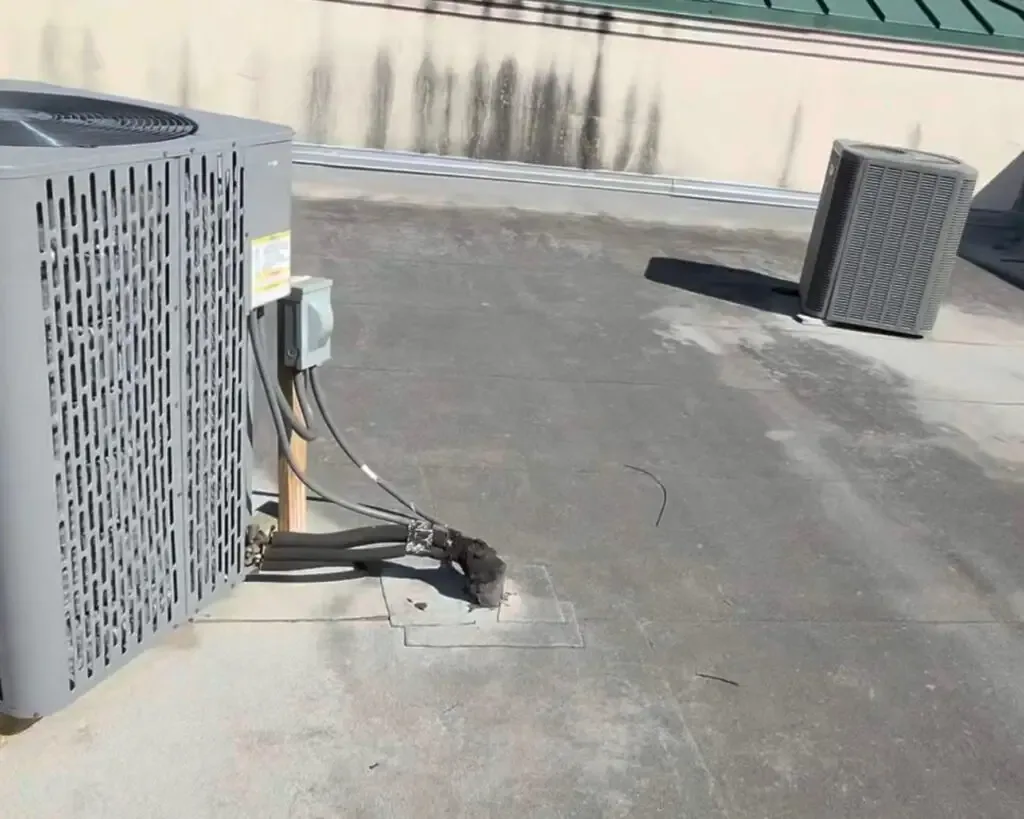
Versico roof inspections and repair planning in Johns Creek, GA, with system identification, seam checks, and field-specific recommendations.
Does the project file call the roof Versico, or is that label coming from a maintenance record? Confirm the sheet, assembly, attachment, and repair history before using a product detail. Versico's commercial range includes EPDM, TPO, PVC, and fleece-backed options. They have different seams and repair procedures, so a visible brand reference does not answer what the roof needs. In Johns Creek, identify the property and roof zone before setting the inspection boundary.
What does the Versico system record need to show?
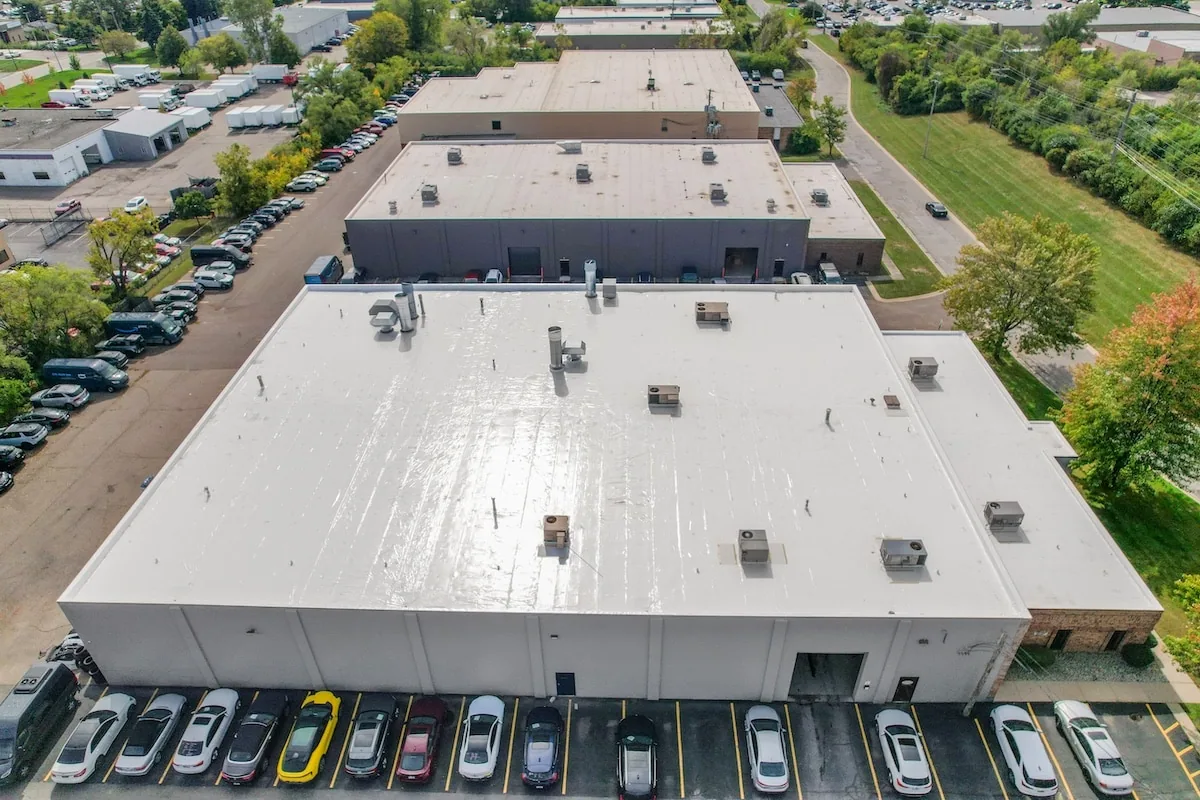
Roofing Manufacturers from Commercial Roofers Johns Creek.
Gather the original submittal, roof plan, membrane label, installation date, repair tickets, and warranty paperwork. Compare the documents with the field sheet and the details at walls, curbs, drains, edges, and penetrations. Versico publishes system information for multiple membrane types; that breadth makes the exact designation more important. If the records name only a family, leave the membrane or attachment question open.
EPDM seams commonly use tape or adhesive systems, while TPO and PVC details may use hot-air welding. Fleece-backed products also need the correct adhesive or attachment method for the assembly. A commercial EPDM inspection should look at seam edges, flashing, and prior patches; a TPO system review checks welds and heat-affected areas. Do not carry one preparation or patch method across those materials.
Establish what sits below the membrane: cover board, insulation, vapor control, deck, and any earlier roof layer. Check whether the field sheet is adhered or mechanically attached and how the assembly terminates at the perimeter. Where an overlay is being considered, moisture and attachment need to be understood first. A commercial roof inspection can document accessible conditions and identify which areas require a test opening before final quantity or system design.
Match product instructions to the installed version and proposed work. Retain publication dates and project references. The inspection record should separate roof observations from details taken from documents and note what remains unresolved.
Where should a Versico inspection spend its time?
Start with the reported symptom, then inspect details that can admit water: field seams, flashing corners, curb transitions, wall terminations, drains, and penetrations. Look for split tape, lifted welds, loose edge metal, punctures, and repairs that have separated from the membrane. Photograph the detail with a plan reference so it can be located later.
Foot traffic and service access can wear a path through a membrane even when the main field looks sound. Check walk pads, ladder landings, equipment routes, and any spot where a hose or cable crosses the roof. At drains, confirm the bowl and surrounding flashing rather than treating standing water as a single-cause diagnosis. If an interior stain sits away from the nearest roof opening, document the likely water path and the evidence for it before naming a repair boundary.
A moisture survey can help select locations for confirmation when conditions suggest wet insulation. Record its limits and use a test opening where the assembly needs direct verification. If a prior patch or coating covers the membrane, identify the material if possible and test compatibility before welding or adhering a new repair. For a leak at an equipment base, include curb and penetration flashing in the inspection rather than limiting the review to the membrane field.
North and central Georgia see damaging thunderstorm winds, large hail, and tornadoes. After a reported event, check exposed corners, perimeter securement, rooftop equipment transitions, and new punctures. The regional hazard does not show that a particular Versico roof was affected. The report should connect each claimed condition to a specific observation and distinguish fresh damage from maintenance items that predate the event.
How far should a repair extend?
When surrounding membrane is clean, stable, and compatible, a limited repair may be reasonable. Describe the preparation, product, tie-in, seam method, test, and closeout photos. Include the roof zone and measured repair dimensions. If a concealed condition could enlarge the work, set a scope allowance and obtain approval before extending removal. These details make a small repair reviewable instead of leaving the final boundary to a verbal handoff.
Several separated leaks, brittle material, widespread seam problems, or moisture below the sheet can change the decision. A commercial roof repair addresses verified defects; a replacement review evaluates the broader assembly where local fixes no longer solve the observed pattern. Compare cost drivers such as removal, insulation, deck work, perimeter changes, rooftop equipment, access, and temporary weather protection. A membrane label alone is not a complete estimate.
Recover work needs evidence that the existing layers are suitable to remain and that the new assembly can be attached and terminated correctly. Verify moisture, deck capacity, layer count, drainage, and edge height. If the roof includes both field membrane and older repairs from another source, test representative areas before setting the new system detail. Record which conditions would trigger a change order, and separate temporary protection from the permanent repair.
Johns Creek Town Center is a planned mixed-use district that includes retail, restaurants, a hotel, lifestyle office, and housing. Work in a nearby commercial property may need to account for tenant traffic and deliveries, but the district plan does not tell us the roof or access rules at that building. Confirm the property contact, loading route, equipment shutdown needs, and approved work window before staging materials.
What changes the schedule in Johns Creek?
Atlanta's climate normals show rain in every month and hot summer days, which makes drainage, dry-in, and safe roof access part of the work plan. Inspect drains and scuppers after debris accumulation, and check whether a repair area can be prepared and closed before weather changes. Actual surface conditions govern; record the protected boundary if rain interrupts installation.
Technology Park Johns Creek is a 500-plus-acre business park with office, industrial, retail, and community uses. A property there may have different tenant hours, equipment rules, and roof routes from a nearby site. Use the building's own roof plan and access contact. For a job in Technology Park Johns Creek, confirm which structure is in scope and whether mechanical areas or loading zones are restricted.
A portfolio owner may compare Versico with Carlisle SynTec or GAF. Compare full assemblies, not only membrane names: insulation, attachment, edge details, drainage, fire and wind criteria, and issued project documents all matter. The approved design should address the building's actual conditions and code requirements. We can document the existing roof and the observed limits that affect repair options.
Which records help with future Versico work?
Retain the membrane designation, system detail, roof plan, inspection photos, test locations, repair materials, and completed scope. Include access limitations and any roof zones not reached. Keep any issued warranty with the work history and note required notifications before altering the system.
For a portfolio, keep one condition file per building and summarize open items across sites. Do not assume an assembly on one property is present on another simply because the owner is the same.
Provide the product documents, roof plan, repair history, leak location, access limits, and decision timeline when requesting an evaluation. We can document the field condition, show which details were checked, and identify what testing or repair would resolve the open question.
Commercial Roofing Questions
Can a Versico leak be patched without knowing the membrane type?
First identify the sheet and existing repair materials. EPDM, TPO, PVC, and fleece-backed assemblies can call for different preparation and tie-ins. If the product remains uncertain, record that limitation and test a representative area before selecting the repair method.
What should the inspection say about an infrared survey?
The report should state where readings were taken, what conditions were present, and which locations need direct confirmation. Surface temperature patterns can help focus test cuts, but they do not by themselves establish the moisture condition of every roof layer.
Does water ponding mean a Versico roof needs replacement?
Ponding is a condition to measure and investigate, not a replacement conclusion on its own. Check drainage, roof slope, deflection, membrane condition, and any interior reports. A defined drainage repair may be enough in one zone; broader wet materials or repeated failures may call for capital review.
What makes two Versico repair proposals comparable?
Compare the verified product, repair area, preparation, tie-in, testing, access, dry-in, and concealed-condition allowance. Confirm that both proposals cover the same zones and exclusions.
Back to Roofing Manufacturers, or request a roof assessment and call 555-555-5555.